
- Admission
- Discover Episcopal
- Our Program
- Athletics
- Arts
- Spirituality
- Student Life
- Support Episcopal
- Alumni
- Parent Support
- Knightly News
- Contact Us
- Calendar
- School Store
- Lunch Menu
- Winter Dance Concert

What is Project Based Learning?
December 3rd, 2025


What is Project-Based Learning?
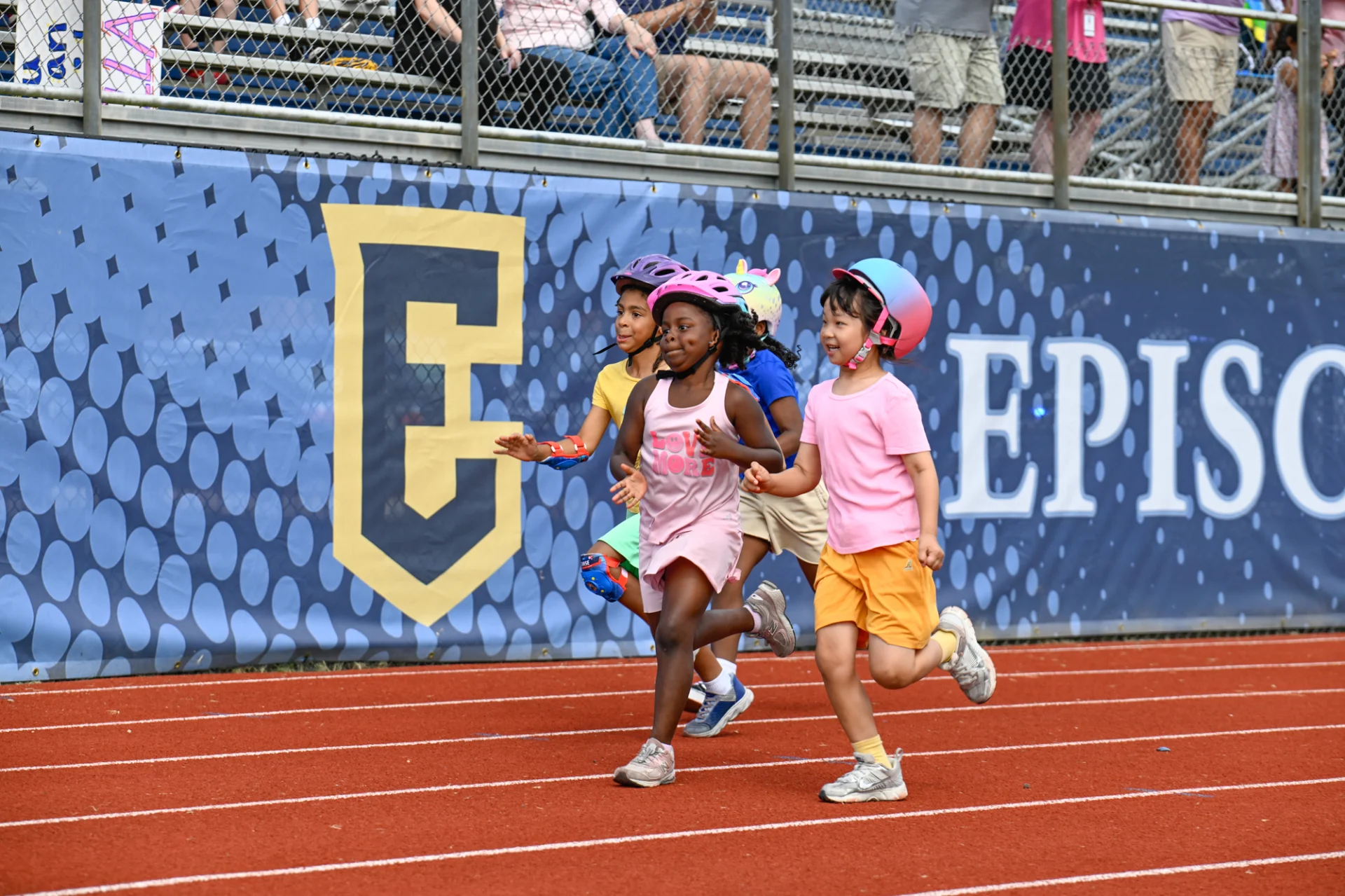
Each year, the entire Episcopal School of Baton Rouge Lower School community packs the home-field stands to cheer on their first grade classmates as they complete the annual duathlon. This Episcopal tradition is the culmination of the first grade Healthy Selves project-based learning unit, during which students learn about healthy lifestyle choices. Like countless other project-based lessons, students, families and faculty are engaged and excited about learning.
But what exactly is project-based learning?
Project-based learning is a teaching method that enables students to gain deep knowledge by actively working on real-world projects that hold personal meaning. Instead of simply learning facts, students create presentations or products to showcase their understanding of the content. Along the way, students develop critical thinking, collaboration, creativity and communication skills. This type of experiential learning is possible because of Episcopal’s small class sizes and innovative faculty and staff.
Project-based learning is rooted in educational standards. Teachers design each project after thoroughly reviewing the grade-level standards to ensure that all topics within a standard are covered. Because projects align with academic standards, they naturally progress, building upon the experiences of the previous year. Here at Episcopal School of Baton Rouge, students begin project-based learning as early as PreK-3 and PreK-4.
Project-based units are divided into three phases.
Phase I
In phase one, students make a connection to the topic by discussing and writing about what they know and wonder about regarding that topic.
Phase II
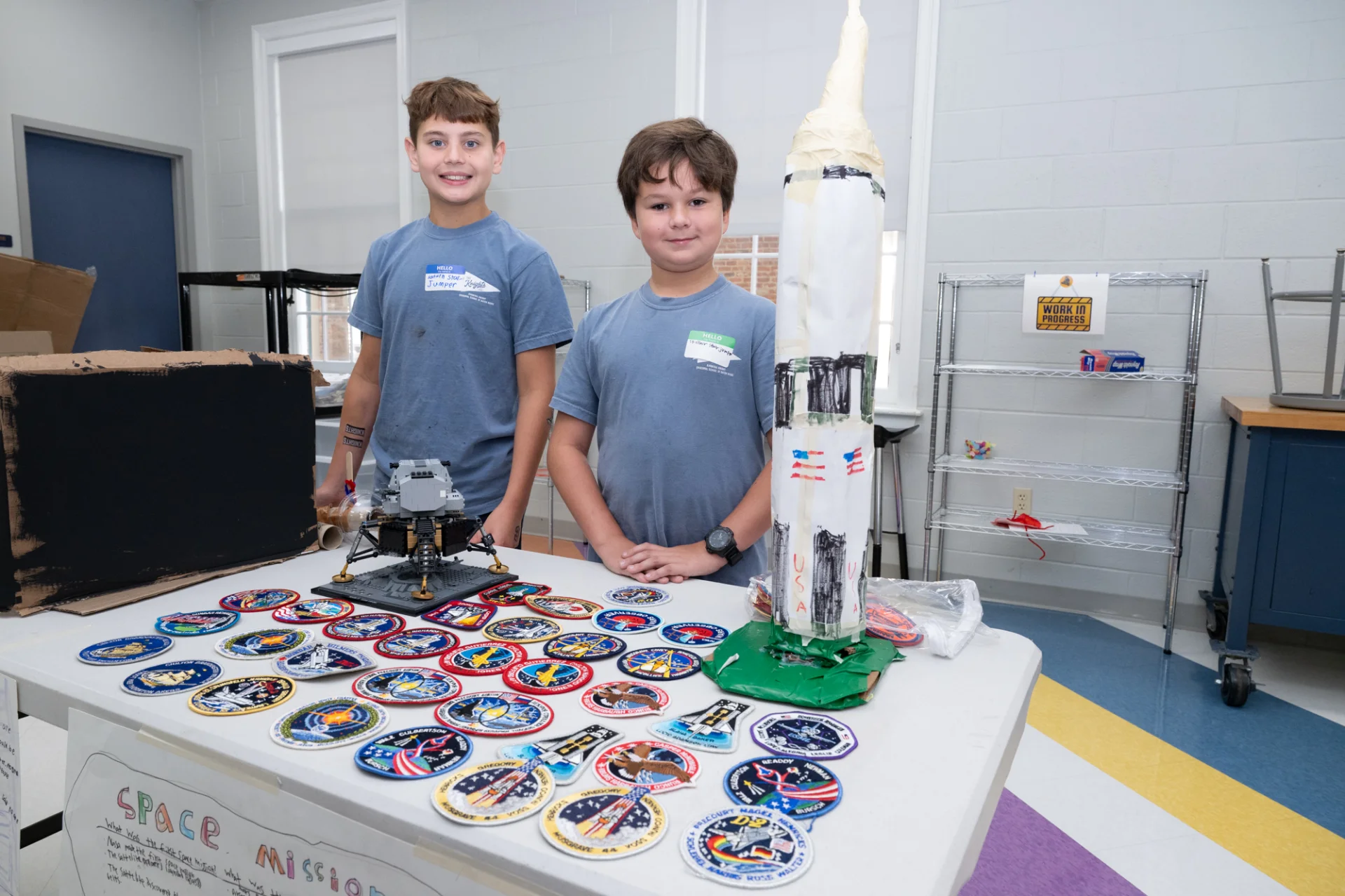
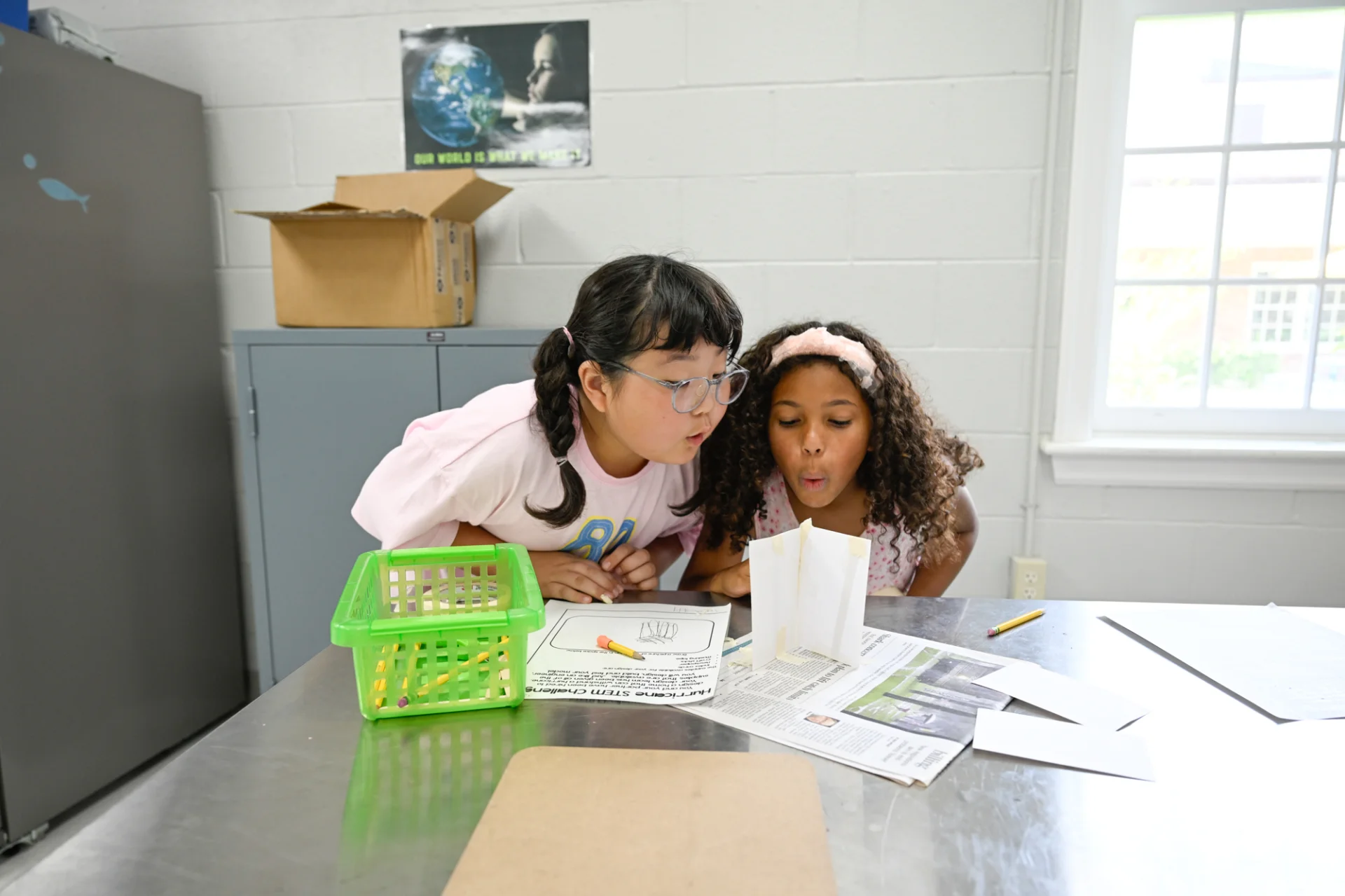
The hallmarks of Phase II are investigation and research. Students participate in data collection and analysis, problem solving, and drawing and testing conclusions as they explore the topic in greater detail to become “experts.” In this phase, students often go on field trips or learn from guest speakers. They also participate in the experiential activities that generate excitement and enthusiasm for learning.
Phase III
Phase III brings the projects to life. In this phase, students, who are now experts, share their knowledge in some way. This can take the form of a presentation for family, friends or classmates.
Project-Based Learning Boosts Engagement
Episcopal educators have observed that this learning-by-doing philosophy results in engaged students who process and retain information more effectively. Faculty are particularly fond of the project-based learning approach because it is student-centered and student-led. This means that while the project topics may be the same each year, they feel completely different due to the changing student interests. Accommodating student interests while meeting the educational standards ultimately makes the units more interesting for both students and teachers.
Project-based learning also facilitates a sense of community. Depending on the unit, parents and other faculty may be called upon to share their expertise. For example, parents who are also doctors or dentists serve as experts for the Healthy Selves unit. Members of the physical education department also share their knowledge on a wide range of topics, from weightlifting safety and caring for a bleeding nose to hiking techniques and kayaking tips.
Project-based learning has proven to be a valuable and meaningful method for ensuring that students learn and grow in the joyful and educational environment provided in Episcopal’s Lower School.
Learn more about our nurturing approach to early childhood education here. Learn more about the elementary experience here.
Schedule a tour today! Click here.
Posted in the category Admission.
Other articles to consider
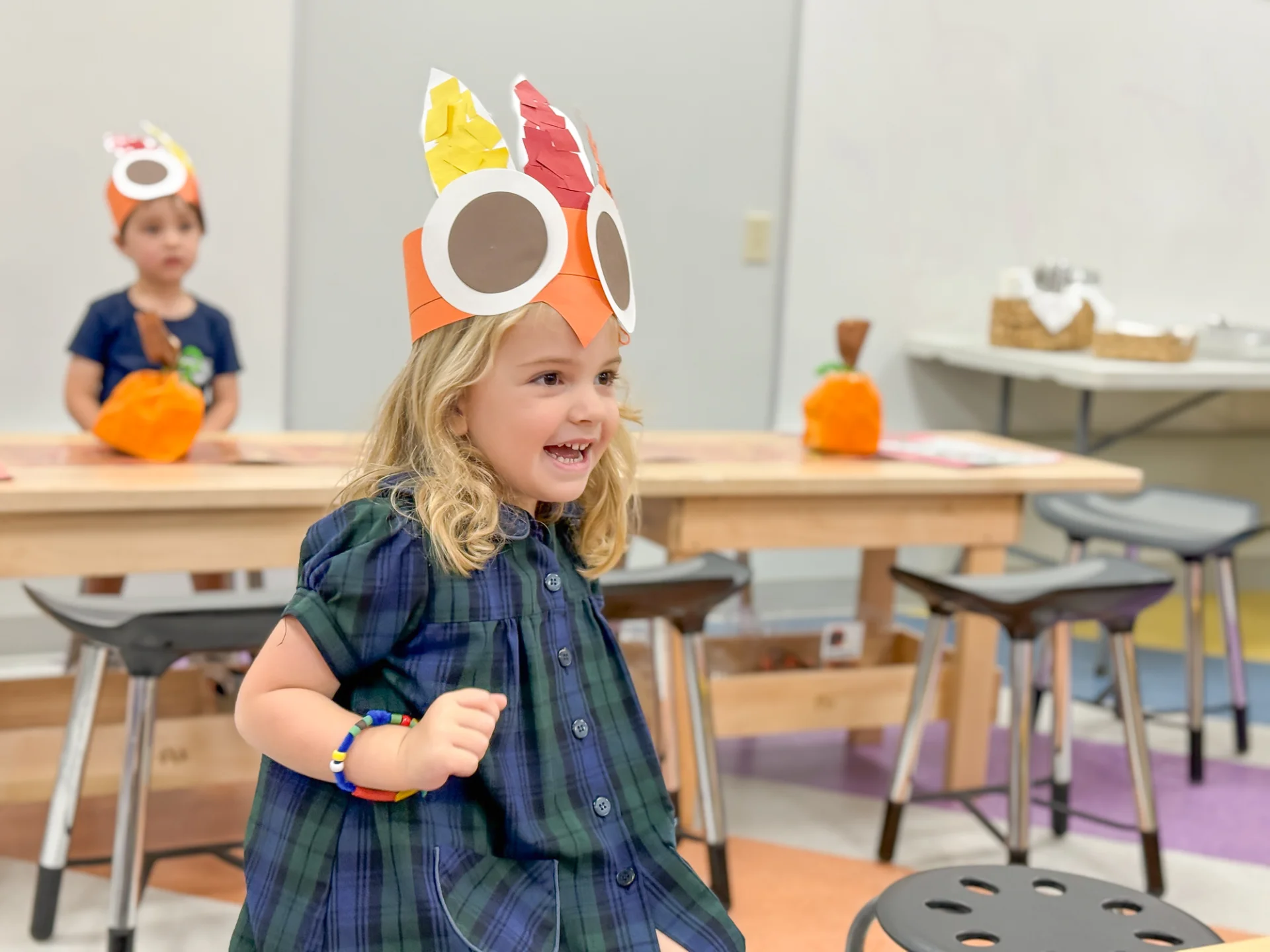 Nov20A Thanksgiving Feast Fit for the Littlest Knights
There was cuteness overload as PreK-3 Knights gathered around the table for the annual Thanksgiving meal. Check out the photo gallery.
See Details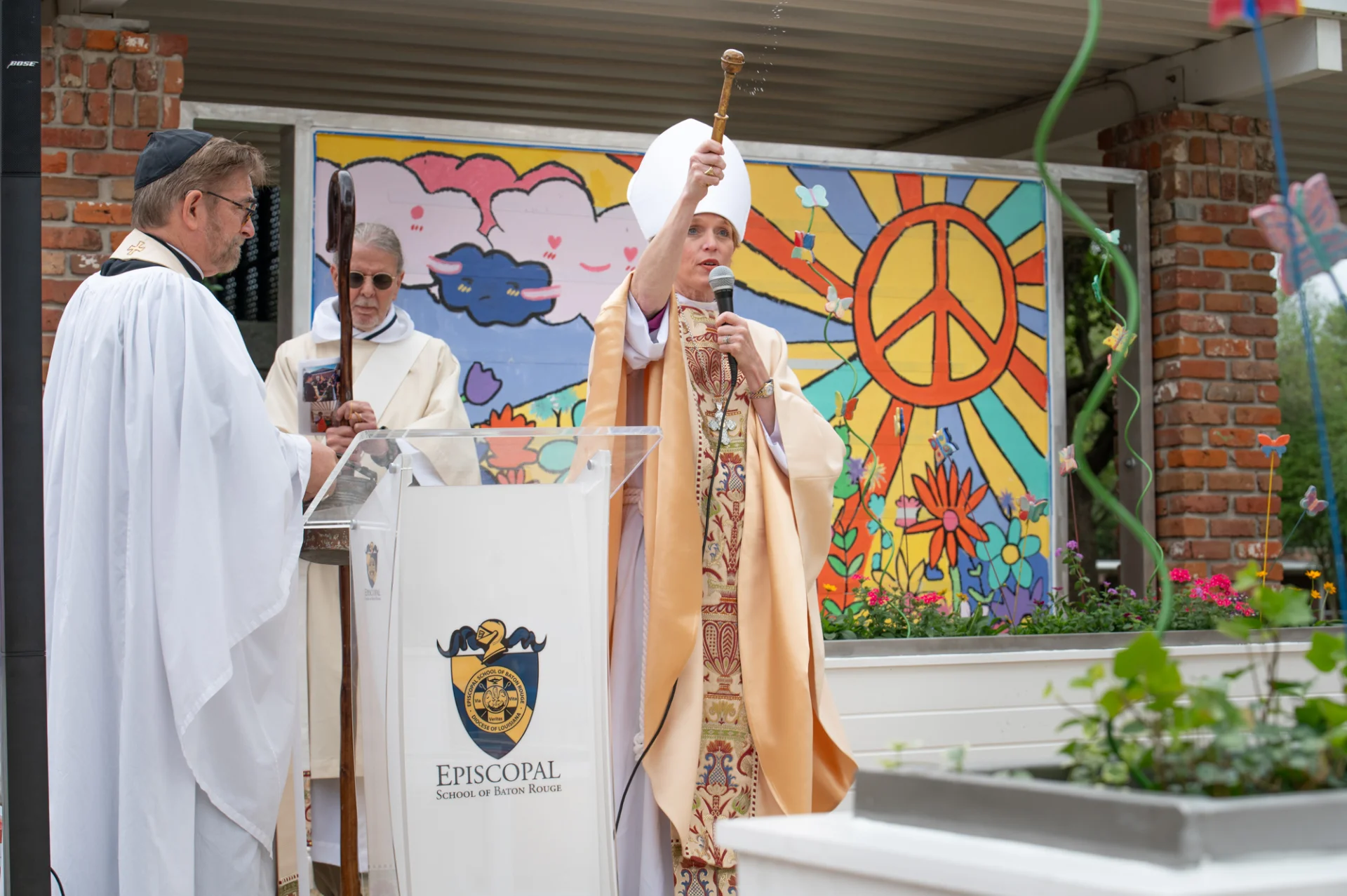 Oct8Social Justice at an Episcopal School
From building homes to serving neighbors, Episcopal students put faith into action—learning empathy and leadership along the way.
See Details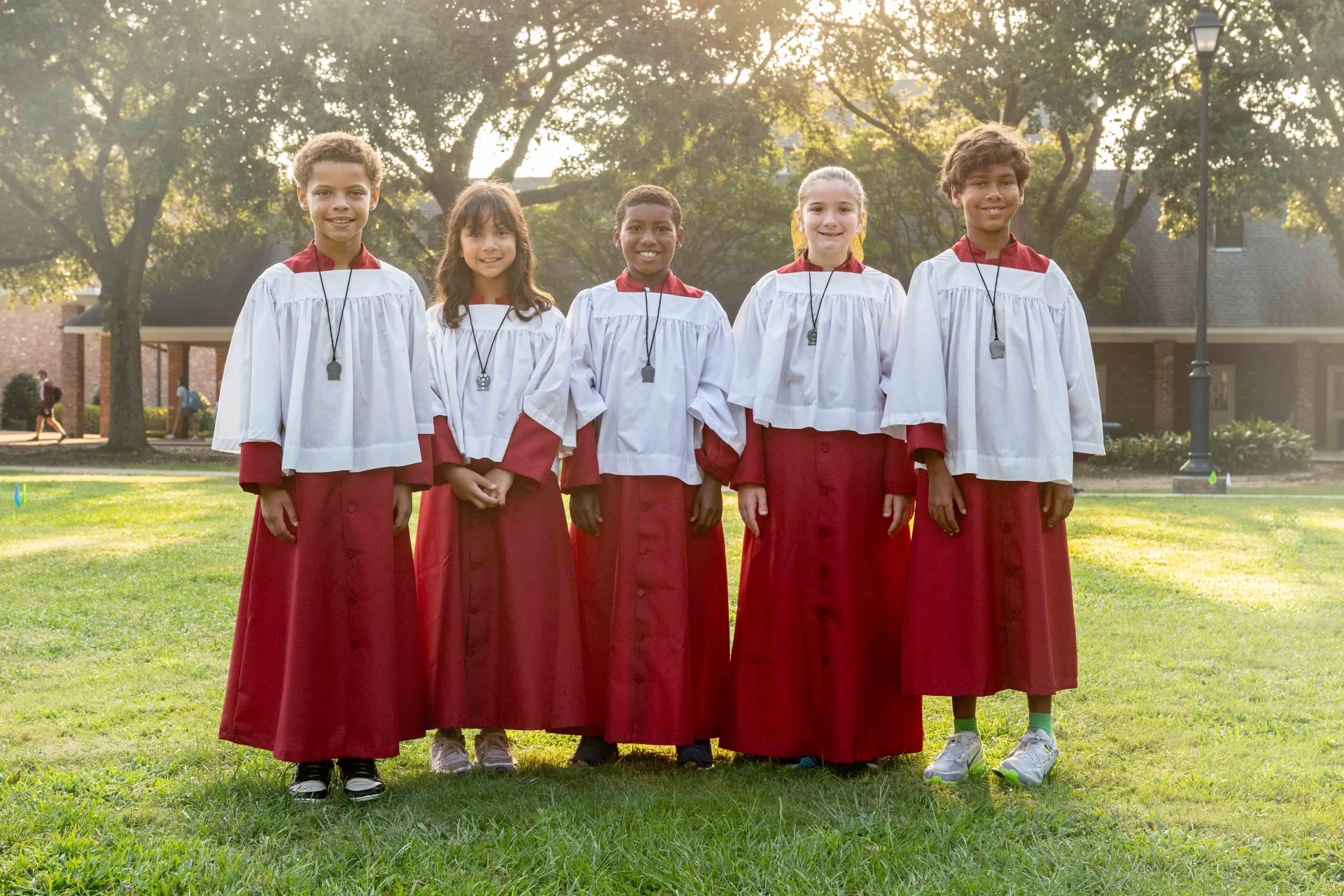 Oct8School Worship at an Episcopal School
Learn more about how Episcopal School of Baton Rouge fosters faith, leadership and belonging through meaningful worship in the Lewis Family Memorial Chapel.
See Details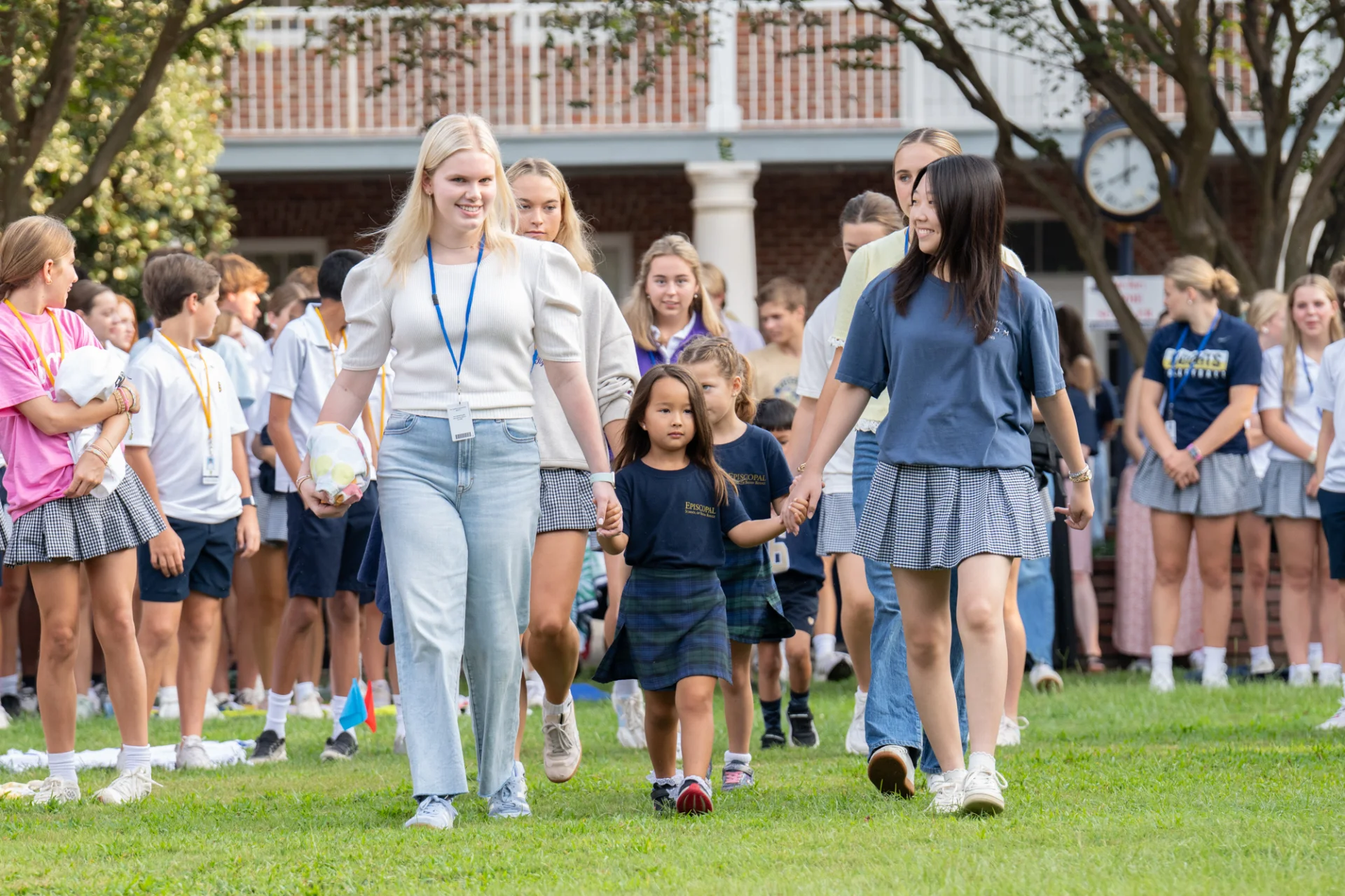 Oct8Community Life at an Episcopal School
At Episcopal School of Baton Rouge, students are known, valued and connected. Read more about how our faith-based traditions and inclusive community create a strong foundation for learning and growth.
See Details

Categories
- All
- Admission
- Athletics
- College Bound 2019
- College Bound 2020
- College Bound 2021
- College Bound 2022
- College Bound 2023
- College Bound 2024
- College Bound 2025
- Counselors Corner
- Episcopal Alumni
- Giving
- Head Of School
- Lower School
- Middle School
- Spirituality And Service
- Student Work
- The Teachers' Lounge
- Upper School
- Visual And Performing Arts
Recent Articles
- 12/3/25What is Project Based Learning?
- 11/20/25Spotlight on Cross Country by Anne Bradley Ewing
- 11/20/25A Thanksgiving Reflection from Dr. Carrie Steakley
- 11/20/25A Thanksgiving Feast Fit for the Littlest Knights
- 11/13/25The Great Turkey Giveaway: Setting the Table for 500 Families
- 11/13/25Three Tips for a Speedy Recovery by Anne Bradley Ewing
- 11/13/25Annual Veterans Day Parade: A Salute to Service
 At a Glance
 Admission and Enrollment
 School Calendar
 Donate Today




.svg?v=1618855226605)


