
- Admission
- Discover Episcopal
- Our Program
- Athletics
- Arts
- Spirituality
- Student Life
- Support Episcopal
- Alumni
- Parent Support Groups
- Karnival Knight 2026
- Knightly News
- Lunch Menu
- Contact Us
- Calendar
- School Store
- Madagascar tickets
 SCHEDULE A TOUR
 Resources
 UPCOMING EVENT
 DONATE TODAY
Welcome to Early Childhood
Welcome to Episcopal’s Lower School Early Childhood Program. Our Early Childhood program is rooted in high-quality hands-on learning. Our classrooms are child-centered, with intentional learning designed to nurture the whole child. We believe that learning fosters children's curiosity, joy, and development. Our children grow into independent thinkers, compassionate classmates, and confident learners—challenged to develop spiritually, intellectually, morally, physically, socially, and artistically.
Our teachers know their students and care deeply about who they are as learners and individuals. They use that understanding to challenge, guide, and encourage each child in developmentally appropriate ways. With intentionally small class sizes, we can truly see and support every student—nurturing their strengths while helping them grow in areas where they are ready to stretch.
The early years are foundational in the educational journey. It is a privilege to partner with you and to be part of this meaningful journey in your child’s life.
Sincerely,
Michelle Grantham-Caston, PhD
Head of Lower School

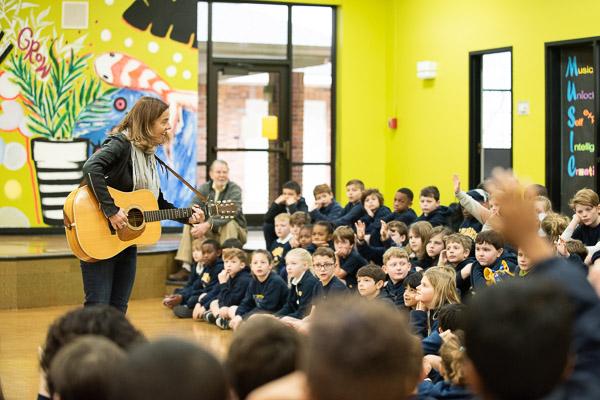
Morning Meeting
Morning Meeting is when the Lower School community gathers in the Greer Center, bringing together students from PreK-4 through 5th grade, along with faculty and staff.
During this time, the community sings and prays, celebrates birthdays, and concludes with the joyful send-off, “Make it a great day!” For many students, Lower School is their first experience of what it means to belong to a community, and this daily gathering helps nurture a strong sense of connection and inclusion. This spirit of community extends into the classroom, where teachers implement Responsive Classroom routines to reinforce respect, collaboration, and social-emotional growth.
Social-Emotional Learning
A child's social and emotional development will benefit the student for the rest of his/her life. Social-emotional learning (SEL) in the Lower School is based on five key competencies of cooperation, assertiveness, responsibility, empathy, and self-control. For Lower School students, social-emotional learning occurs both organically, through play, developing friendships, and group work, as well as strategically through three primary ways.
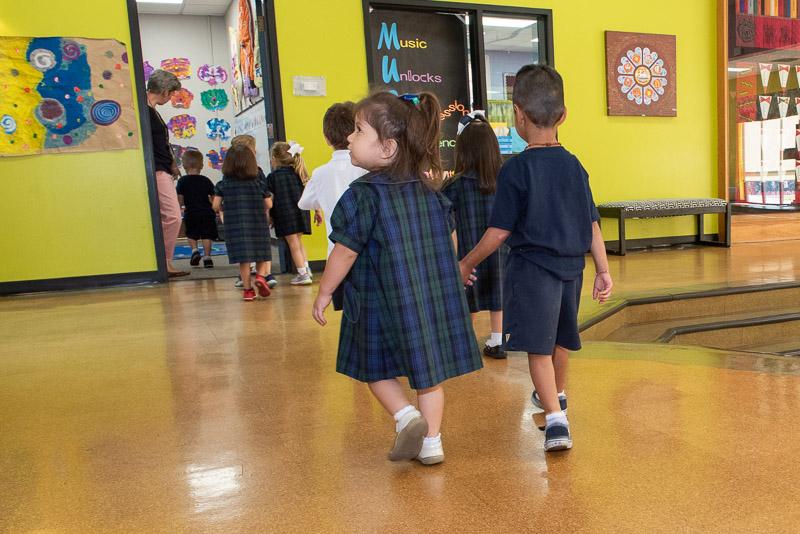
First, monthly classroom lessons are a dedicated time for the Lower School Counselor to teach students developmentally targeted skills, such as flexible thinking, empathy, and conflict resolution skills. Secondly, Toolbox Tuesday is a part of Morning Meeting once a week in which students can learn calming strategies and “tools” for coping and developing flexible thinking. The third way the key competencies are developed in the Lower School is through individual and group sessions with the Lower School Counselor as needed to discuss student-specific needs. Lower School students learn common language through social-emotional learning which is used by the counselor, teachers, and the Head of Lower School. The consistency reinforces skills learned to all students.
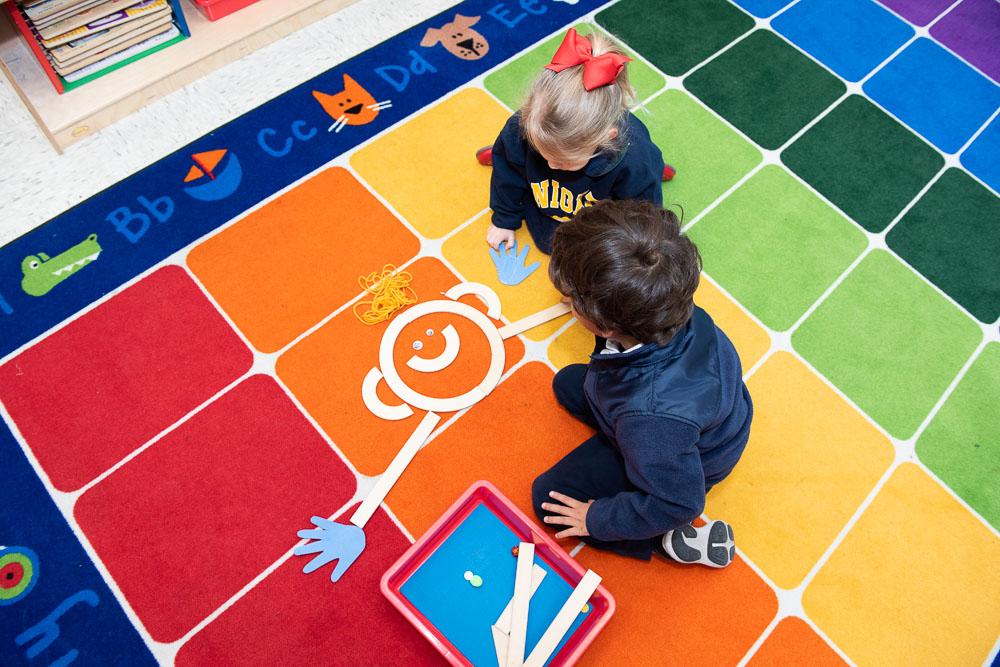
Purposeful Play
Play is the work of children. In our Early Childhood classrooms, learning and play are intentionally intertwined, creating meaningful opportunities for exploration and discovery. Students extend their learning beyond the classroom as they engage with a variety of campus spaces, including the PreK Garden, the Kindergarten Outdoor Learning Area, the Coach Dupe Nature Trail, and the Early Childhood Design Studio. These environments invite curiosity, foster creativity, and support hands-on experiences that deepen understanding and connection to the world around them.
Mathematics
Teaching early mathematical concepts to young children is essential for acquiring a foundation for future learning. In the Early Childhood classroom, math is often integrated into other content areas like art and science.
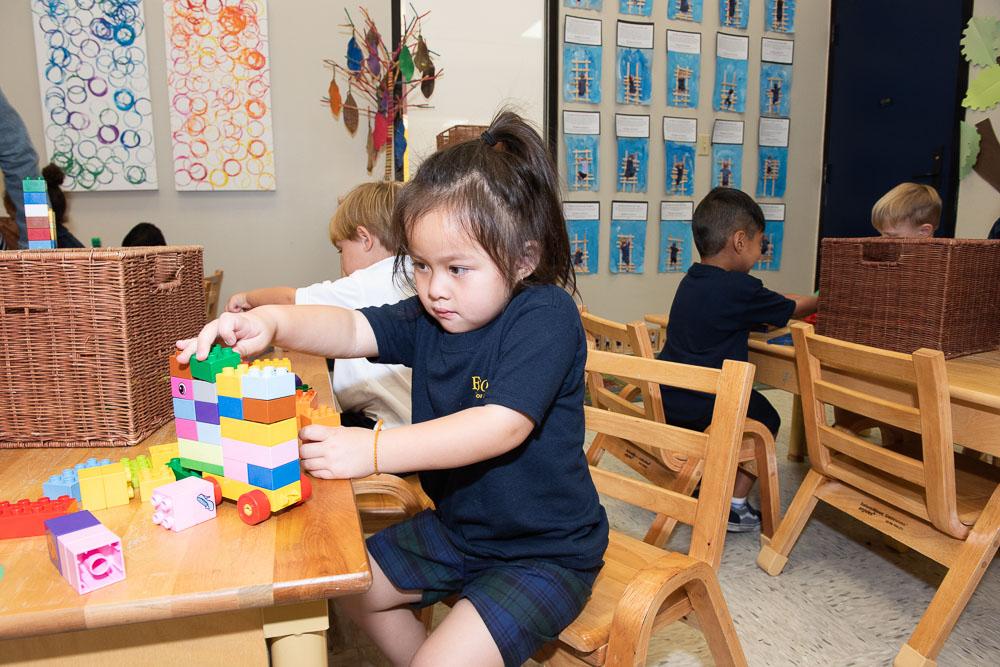
Children are introduced to concepts of measurement as they bake a pizza or identify shapes in nature during a walk in the woods. At Episcopal, formal math curriculum is introduced in PreK-4. The Developing Roots curriculum is designed to establish a foundation in Singapore Math with our PreK and kindergarten students through play-based, child-centered experiences grounded in current research in learning and teaching.
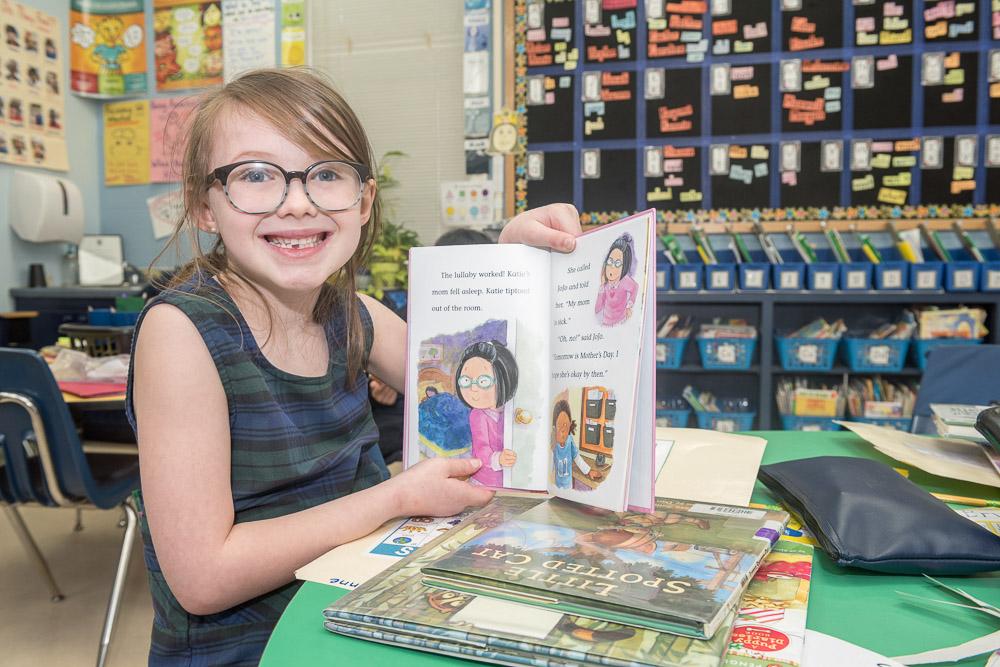
Reading Readiness
Teaching children to read begins in two places – with developing concepts about print and with building phonemic awareness.
Young learners exercise their pre-reading skills through read-alouds, retelling stories, and opportunities to explore books. Early childhood students practice letter-sound relationships throughout the day. Once these sounds are mastered, children are ready to put the sounds together to form words. As readers begin to grow, teachers begin small Guided Reading groups in kindergarten. Students learn strategies to help them read new or unfamiliar words, practice comprehension strategies and grow their vocabulary.
Bookmaking and Writing Workshop
In PreK-3 and PreK-4, we call our writing time “Bookmaking,” and we base our teaching around practices from experts in Early Childhood literacy.
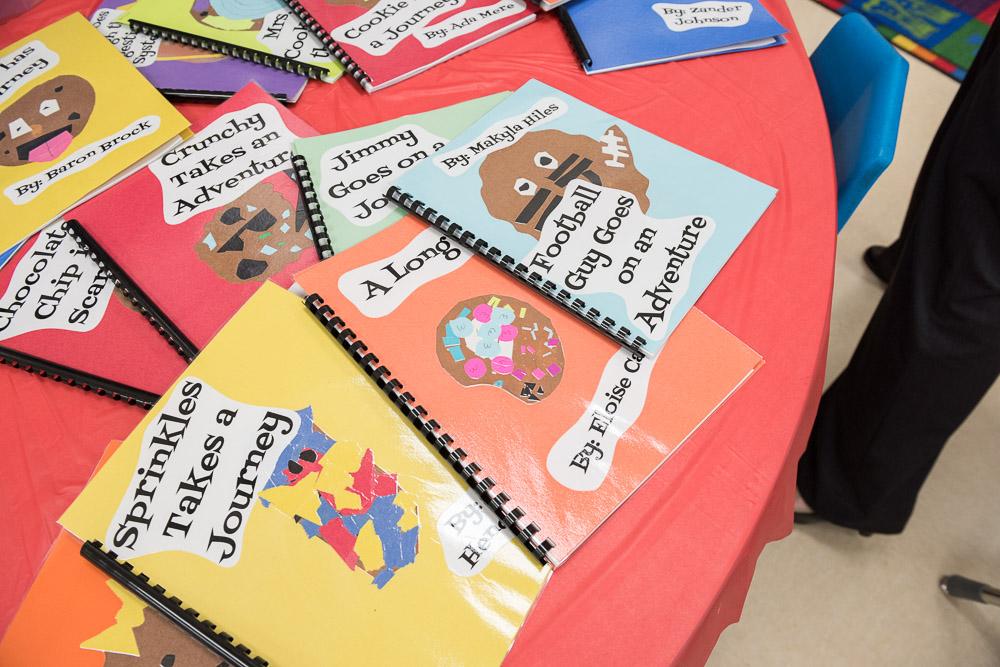
At this age, children aren’t typically ready to “write,” but they have lots of stories to tell through pictures and spoken words. As their phonemic awareness begins to grow, children are able to write the letters of the sounds they hear in their stories. Teachers model how to make a book through short mini-lessons and students are sent off to create their stories, while teachers circulate the room to guide the children through their work.
In kindergarten, students are ready to begin Writing Workshop. For our younger students, the emphasis is on the process of writing. Students create drafts, then revise, edit and publish their work. Each lesson begins with a short mini-lesson and then the teacher sends students off to their desks to write. Teachers provide support through small-group work and conferring, with multiple opportunities for personalizing instruction. Kindergarten students practice narrative, information, and opinion writing. At the end of each unit, children publish and celebrate their writing.
Handwriting Without Tears
Students in grades PreK-3 and PreK-4 use the Handwriting Without Tears program to grow their fine and gross motor skills as they begin to learn the process of letter formation.
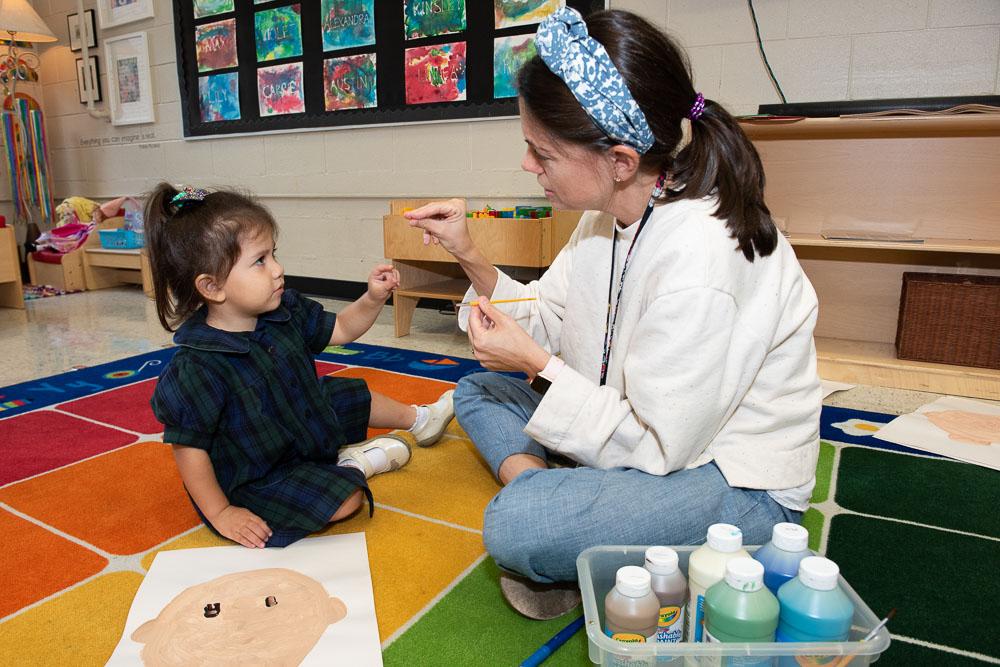
Using fun, engaging, and developmentally appropriate instructional methods, students are introduced to pencil grip, letter formation, and literacy skills. Through songs, letter play and hands-on activities, children master handwriting as an automatic and comfortable skill.
Lower School Knightly News
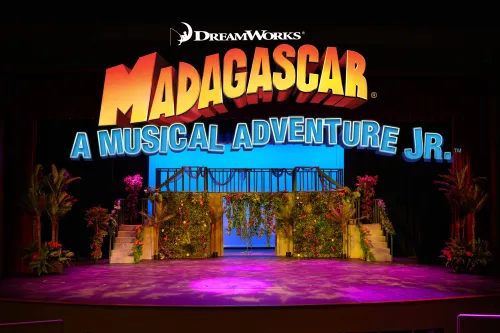 Oct5Don't Miss Episcopal's Presentation of "Madagascar a Musical Adventure Jr."
Don't miss this fun and energetic presentation October 16th - 18th. Tickets available now! Plus, check out a list of upcoming arts events.
See Details Sep9New Initiatives Help Develop Middle School Leaders
This year, Middle School students have more opportunities to lead and make a positive impact on their school community. Learn about the new leadership groups and the new focus on developing Middle School leaders.
See Details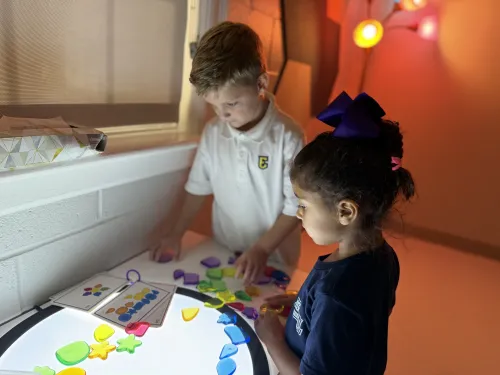 Sep2Reimagined QUEST Center Spaces Spark Inspiration and Discovery
Permanent STEAM Stations, a Mini Knights Maker Space and a new Light and Shadow space are coming to the QUEST Center in Foster Hall this school year! These reimagined spaces are sure to inspire creativity and exploration in a facility dedicated to purposeful play.
See Details Aug6Introducing the 2026/2027 New Episcopal Faculty and Staff
 Episcopal is pleased to welcome the newest members of our Episcopal family.
See Details May1Gratitude and Nostalgia at the Final All-School Eucharist
The Episcopal school community gathered one last time before the end of the 2025/2026 school year. The occasion recognized PreK/K All the Way students and the inaugural Outstanding Educator Award recipient. Read more about this powerful moment.
See Details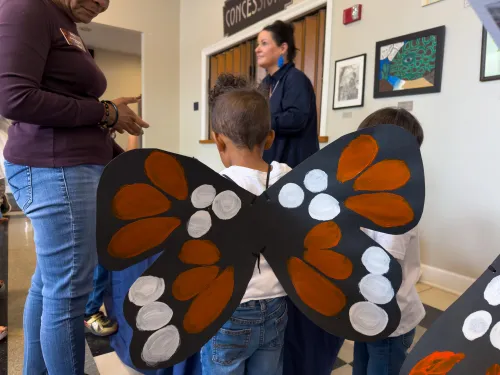 Apr24The PreK-4 Butterfly Parade: A Celebration of Early Childhood Learning
The annual PreK-4 butterfly parade showcased the tremendous growth that occurs in early childhood. Check out photos from the day and learn more about the students' hopes and dreams.
See Details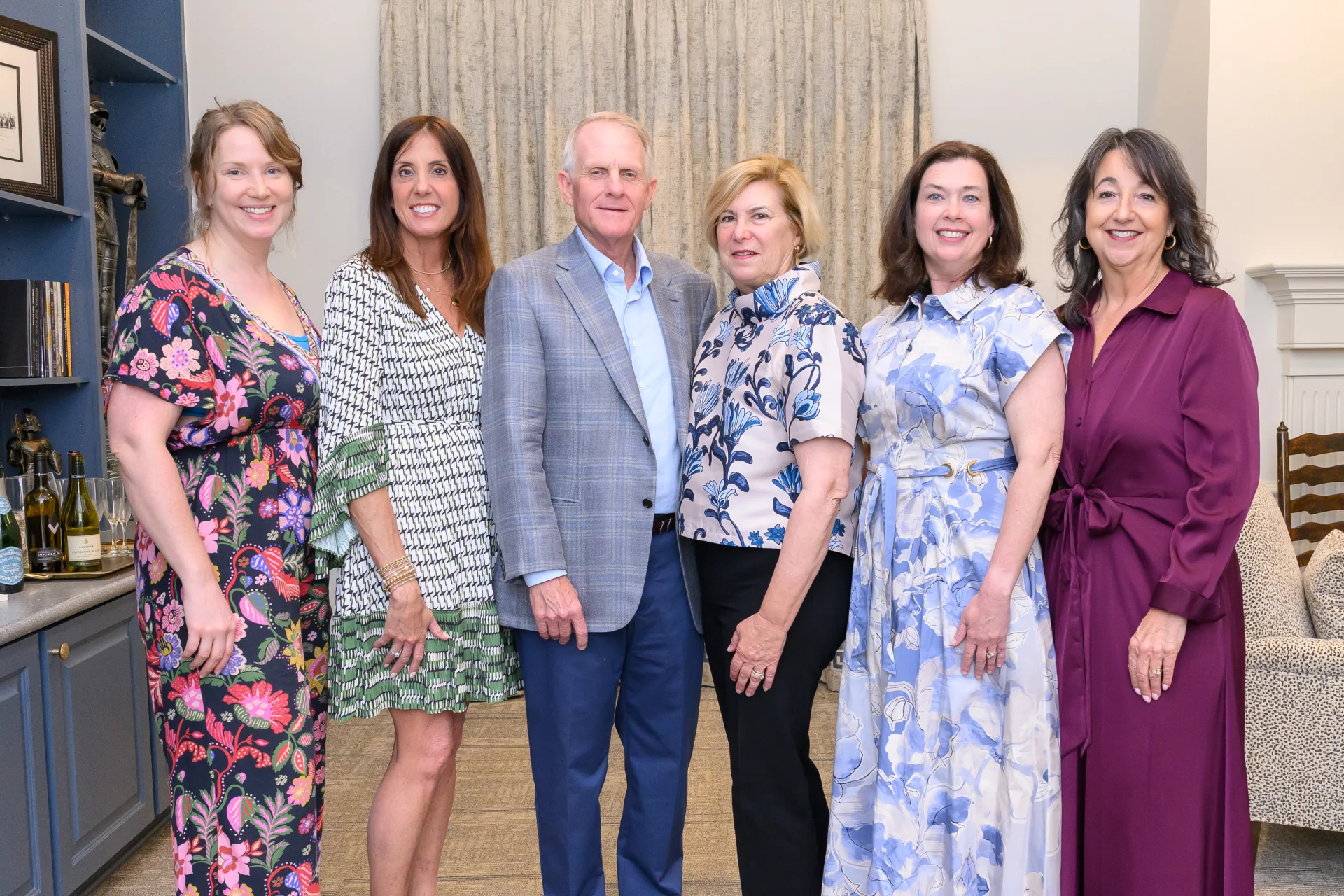 Mar9Congratulations to the 2026 Newton Distinguished Faculty Award Honorees!
 Learn more about this year's award winners and join us in congratulating them.
See Details Feb25Dr. Steakley Announces Lower School Division Leader for Next School Year
Current Assistant Division Head Dr. Michelle Grantham-Caston will replace outgoing Lower School Division Head Beth Gardner, who will relocate next school year.
See Details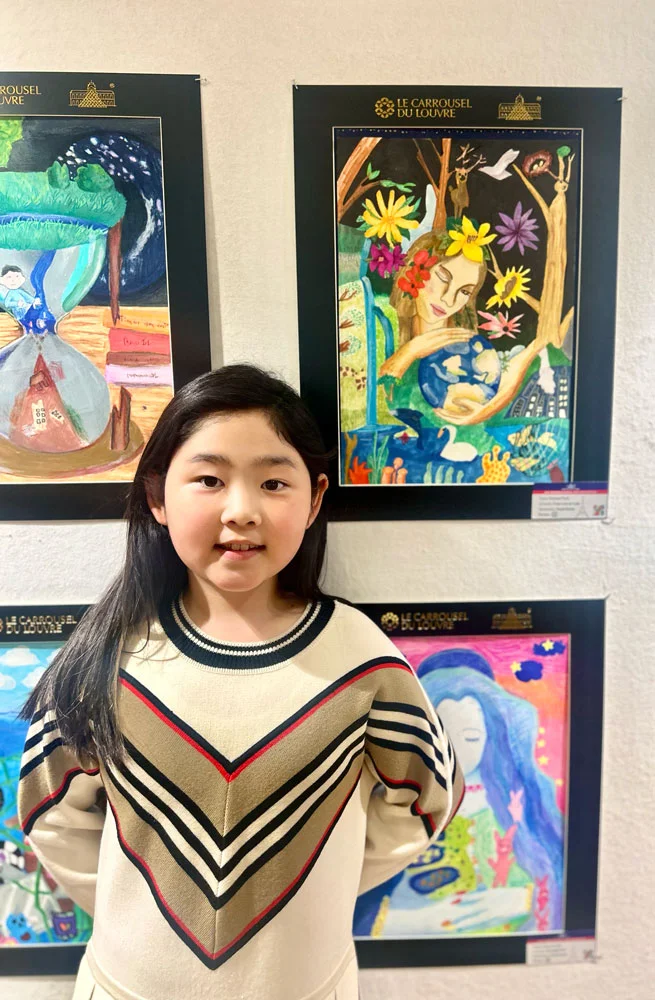 Jan28A Global Moment for a Growing Artist: Lower School Student’s Work Featured in the Louvre Exhibition
Lower School recently celebrated a new student who achieved a tremendous milestone. The fourth grader’s artwork was featured in the Le Carrousel du Louvre exhibition!
See Details
Q: What grade levels are included in Episcopal's Early Childhood program?
A: The Early Childhood program covers PreK-3 through Kindergarten.
Q: When is formal math curriculum introduced in Early Childhood?
A: Formal math curriculum begins in PreK-4, using the Developing Roots curriculum, which builds a foundation in Singapore Math through play-based, child-centered experiences.
Q: How does Episcopal teach writing in Early Childhood?
A: In PreK-3 and PreK-4, writing time is called “Bookmaking,” where children tell stories through pictures and spoken words. In Kindergarten, students begin Writing Workshop, drafting, revising, editing, and publishing their work.
Q: What outdoor learning spaces does Episcopal offer young children?
A: Early Childhood students engage with spaces including the PreK Garden, the Kindergarten Outdoor Learning Area, the Coach Dupe Nature Trail, and the Early Childhood Design Studio.
Q: What handwriting program does Episcopal use for young children?
A: Students in PreK-3 and PreK-4 use the Handwriting Without Tears program to develop fine and gross motor skills and letter formation.
Q: How does Episcopal introduce reading readiness skills?
A: Reading readiness begins with concepts about print and phonemic awareness, including read-alouds, letter-sound relationships, and small Guided Reading groups starting in Kindergarten.
 At a Glance
 Admission and Enrollment
 School Calendar
 Donate Today




.svg?v=1618855226605)


