
- Admission
- Discover Episcopal
- Our Program
- Athletics
- Arts
- Spirituality
- Student Life
- Support Episcopal
- Alumni
- Parent Support Groups
- Karnival Knight 2026
- Knightly News
- Lunch Menu
- Contact Us
- Calendar
- School Store
- Madagascar tickets
Three Tips for a Speedy Recovery by Anne Bradley Ewing
November 13th, 2025


AB’s Three Tips for a Speedy Recovery
- Going to bed instead of scrolling
- Getting a little exercise the day after a big game
- Visiting the Athletic Trainer when you have questions or concern
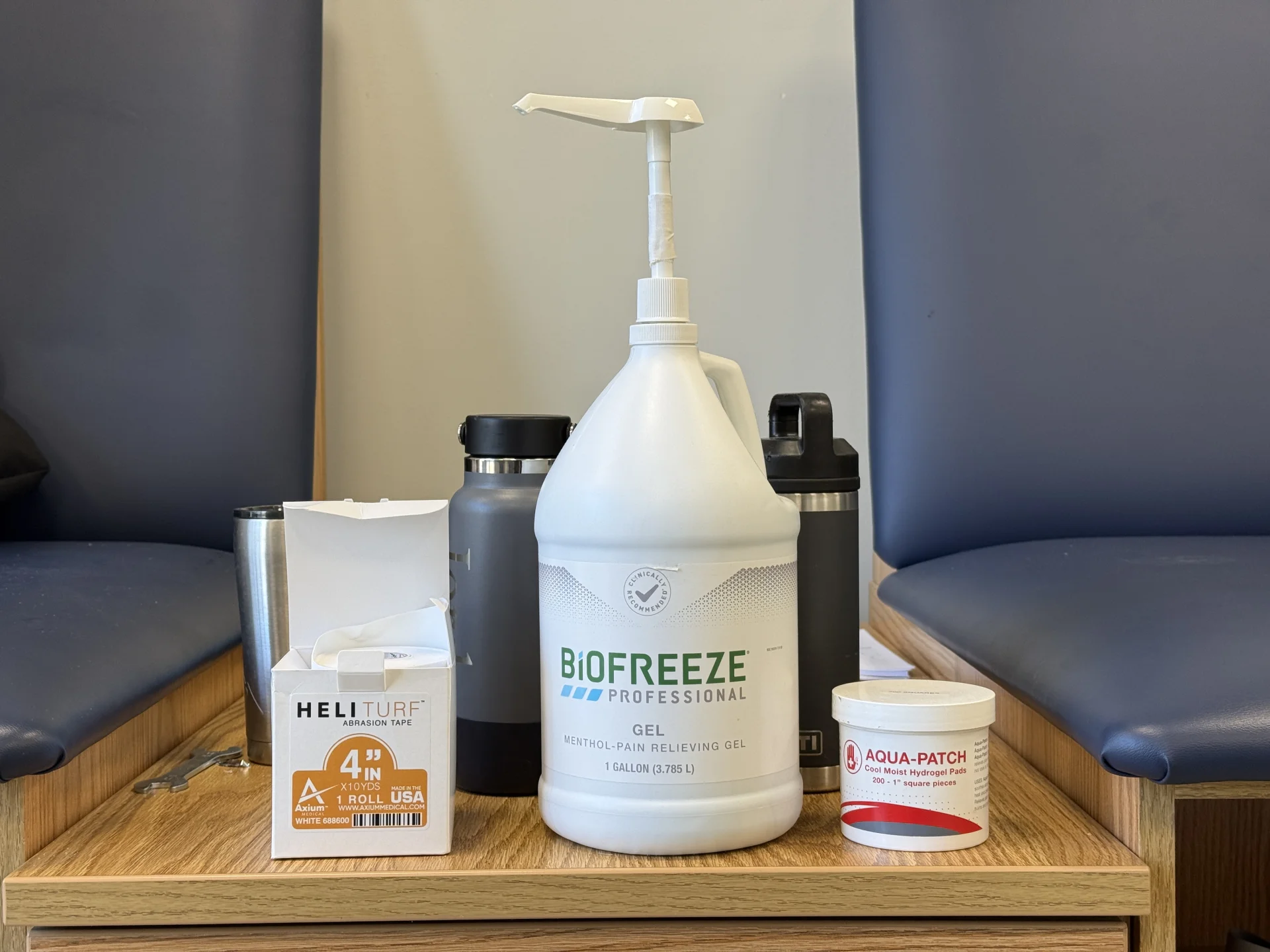
Sticky bottles of Biofreeze line the cabinets as the minty smell fills the air. Rolls of prewrap are scattered about awaiting their next sprained ankle or wrist. At the center of it all is Dean Mannina, the head athletic trainer here at Episcopal. After a late night in the gym or on the field, Mannina is always at his post: the Athletic Training Room in the Graves Field House. Constantly wrapping ankles and making ice bags, he is there for all students.
You may have seen him on the sidelines of the football games or in the corner of the gym during volleyball games. He is present at most home sporting events in case of emergency, but arguably his most important role is on the “off-nights.” Mannina plays a significant role in our athletes’ post-game recovery and in helping them become ready for the next competition. With a major in kinesiology and 26 years of hands-on experience (19 at Episcopal), he knows what he is doing.
1. Sleep
I recently sat down with Coach Mannina for an interview about recovery and how we facilitate it on our campus. It may not be surprising, but one of the first things he told me was that, “Most injuries occur when you’re fatigued.” The lives of student athletes are go, go, go, and it can be hard to squeeze in time to let our bodies rest and recover. However, Mannina assured me that it is just as important as the hard work. One of the greatest challenges for the common student athlete at Episcopal, like myself, is to get adequate sleep while balancing athletics with the rigorous academic expectations at our school. Because we are both students as well as athletes, schoolwork and studying can sometimes come before sleep. This is why it is also critical for high school athletes to work on time management skills to set themselves up for success.
Another issue is technology. I often make the misconception that sitting in bed on my phone is just as effective as sleeping, but the opposite is true. The light from our screens wakes up the brain and convince us that it is not nighttime. This in turn, slows down the sleep cycle and also recovery. Mannina recommends that athletes get between 7 and 10 hours of sleep per night. This varies per person, but it is clear that getting enough sleep is crucial to the recovery process. Dean says, “When you get into deep sleep, that's when your body really repairs and recovers.” Sometimes it can be hard for us to just let our bodies do the work, but letting our bodies rest when it is time to, is the first step in creating a healthy recovery routine. Our brains work better after getting adequate sleep, and so do our bodies.
2. Active Recovery
As a student athlete myself, one of the most important places in my weekly routine is the Graves Field House. There, students are not only able to utilize the incredible facilities including the weightroom and my favorite, the ice baths, but they can also meet with our athletic trainer for extra assistance. One of the key things that I’ve learned since meeting with Coach Mannina is the difference between active and passive recovery. Active recovery is the use of movement to help the body repair, and passive recovery is letting the body recover on its own without the added exercise, like sleep. Mannina says that, “Active recovery gets overlooked,” and I think a main reason for this is because it can be hard. As an athlete I know the pain of getting in the gym after a tough game the night before. No one wants to exercise when they’re already sore. The issue is that our bodies need that movement to keep our muscles from getting tight and tired. Coach Dean told me that years ago, coaches thought the best remedy for a baseball pitcher after a game of pitching was to run. We know now that the best way to recover from a game as a pitcher is to get some movement in the arm and shoulder. Running is not a negative solution, but it is surely not the fastest way to get a player back on the mound. We have to address the target areas on our body, the ones that hurt, to keep them from hurting longer than they should. Yes, the ice baths feel good, and they are beneficial, but actively stretching and doing light exercises allow our bodies to stay ready for competition and help us prevent injury.
3. Visiting the Athletic Trainer
Recovery is all about gradually working to prevent your body from reaching that state of fatigue where injuries occur. “Whenever you get physically tired, you start to have bad form and create bad habits. Those bad habits will put you in a position where you are more likely to get injured.” At Episcopal, we understand the importance of afterschool activities and community involvement, but it is equally important to recognize the need to let ourselves recover and get back to a state where we can achieve excellence. Coach Dean is always willing to help, and as student athletes, we should make the most of his expertise and generosity.

Anne Bradley Ewing is a senior at Episcopal and is currently enrolled in an independent study in sports journalism. She aspires to be a sports broadcaster in the future. Alongside covering and writing on sports programs at Episcopal, she is also a member of the varsity soccer and volleyball teams. She recently found a passion for theater, which has influenced her desire to be behind the camera. Her primary goal in her writing is to help inform the Episcopal community about the behind-the-scenes aspects of sports at her school.
The Episcopal School of Baton Rouge 2025-2026 application is now available! For more information on the application process, to schedule a tour, or learn more about the private school, contact us at [email protected] or 225-755-2685.
Other articles to consider
 Oct5Don't Miss Episcopal's Presentation of "Madagascar a Musical Adventure Jr."
Don't miss this fun and energetic presentation October 16th - 18th. Tickets available now! Plus, check out a list of upcoming arts events.
See Details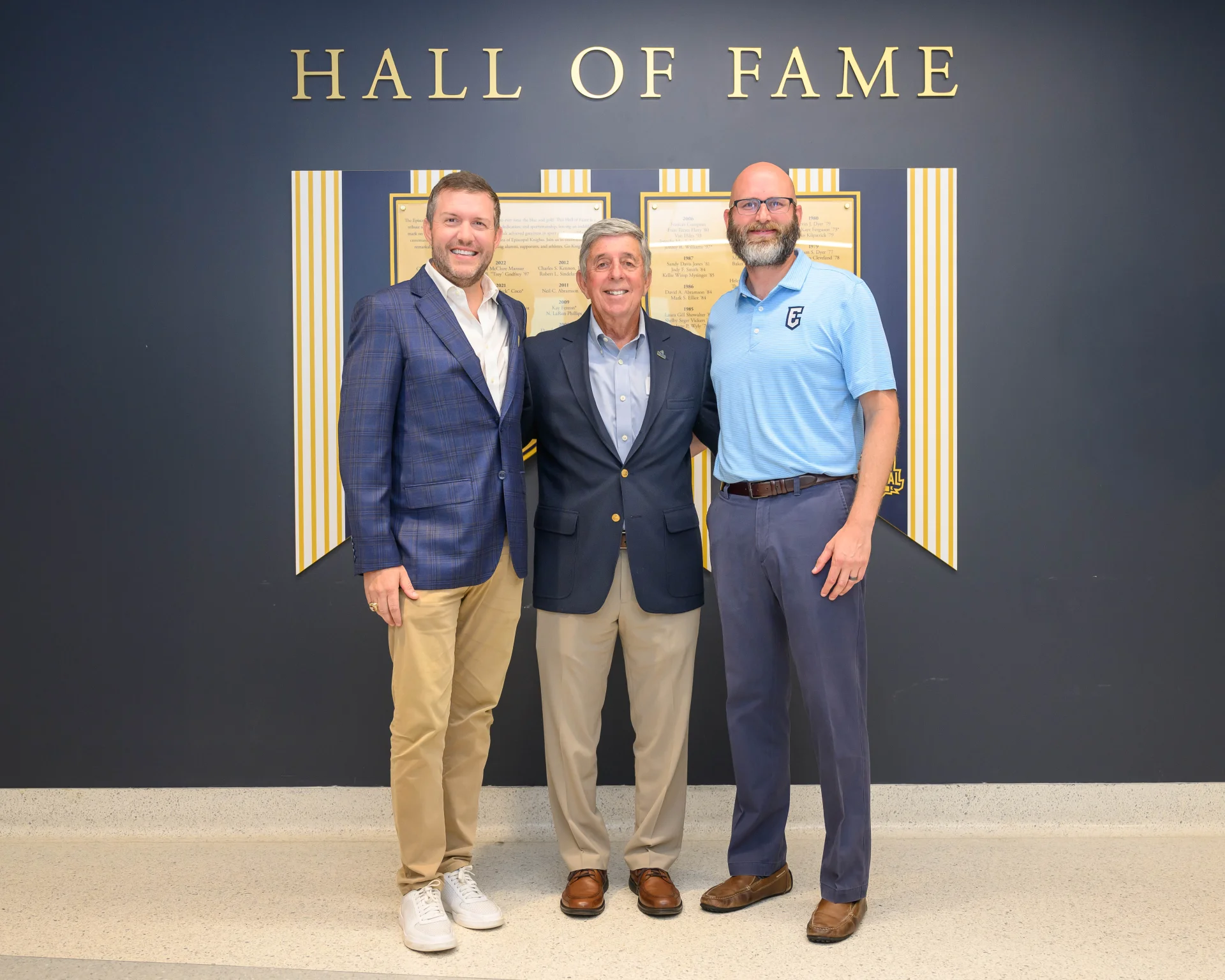 Oct12026 Athletic Hall of Fame Inductees Celebrated at Halftime Tribute
This year's inductees include a record-breaking track and field athlete and a legendary coach.
See Details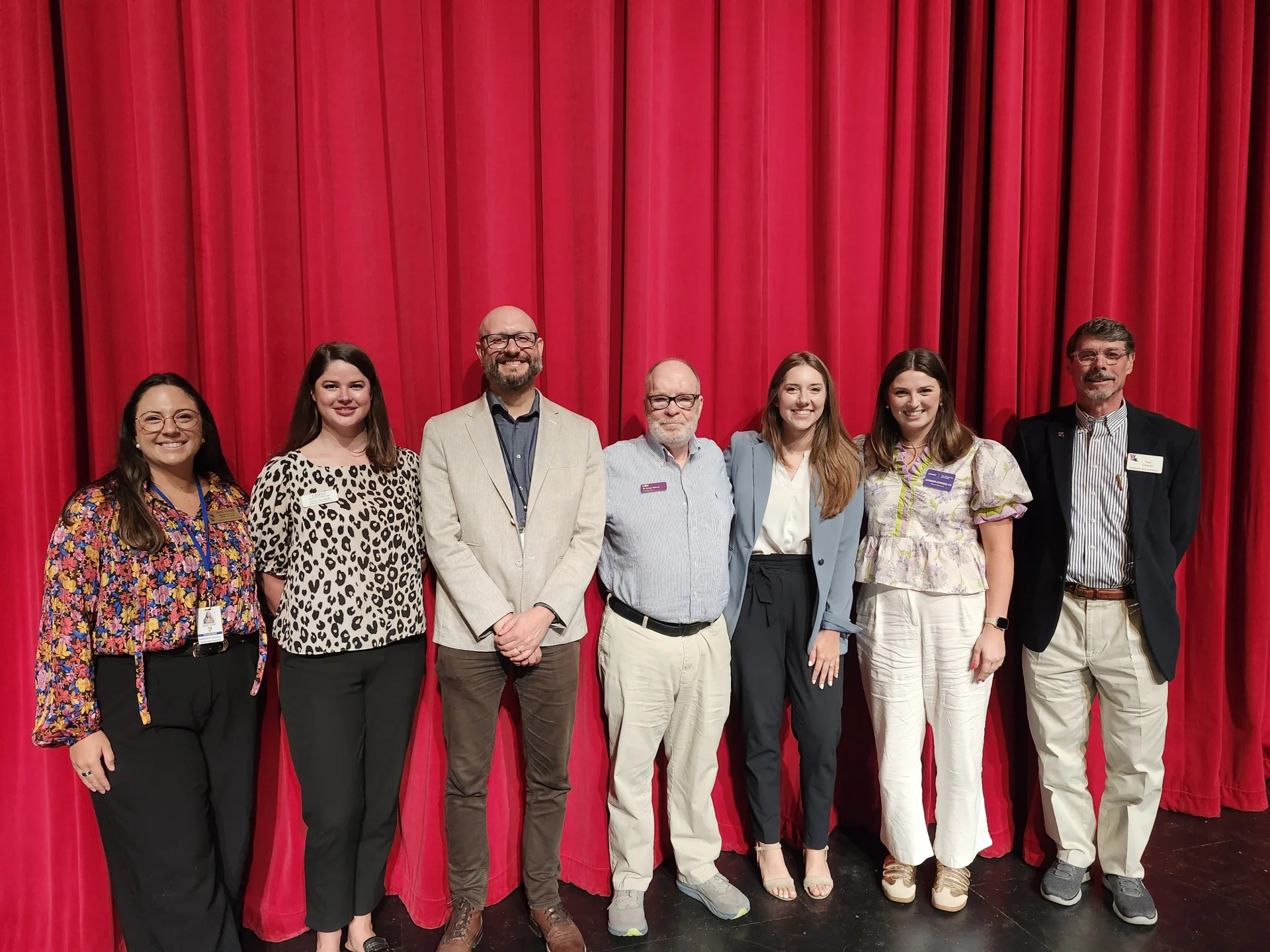 Oct1College Experts Provide Advice for Students through New College Advisory Council
College counselors are boosting university connections and providing students more exposure to admission experts and resources.
See Details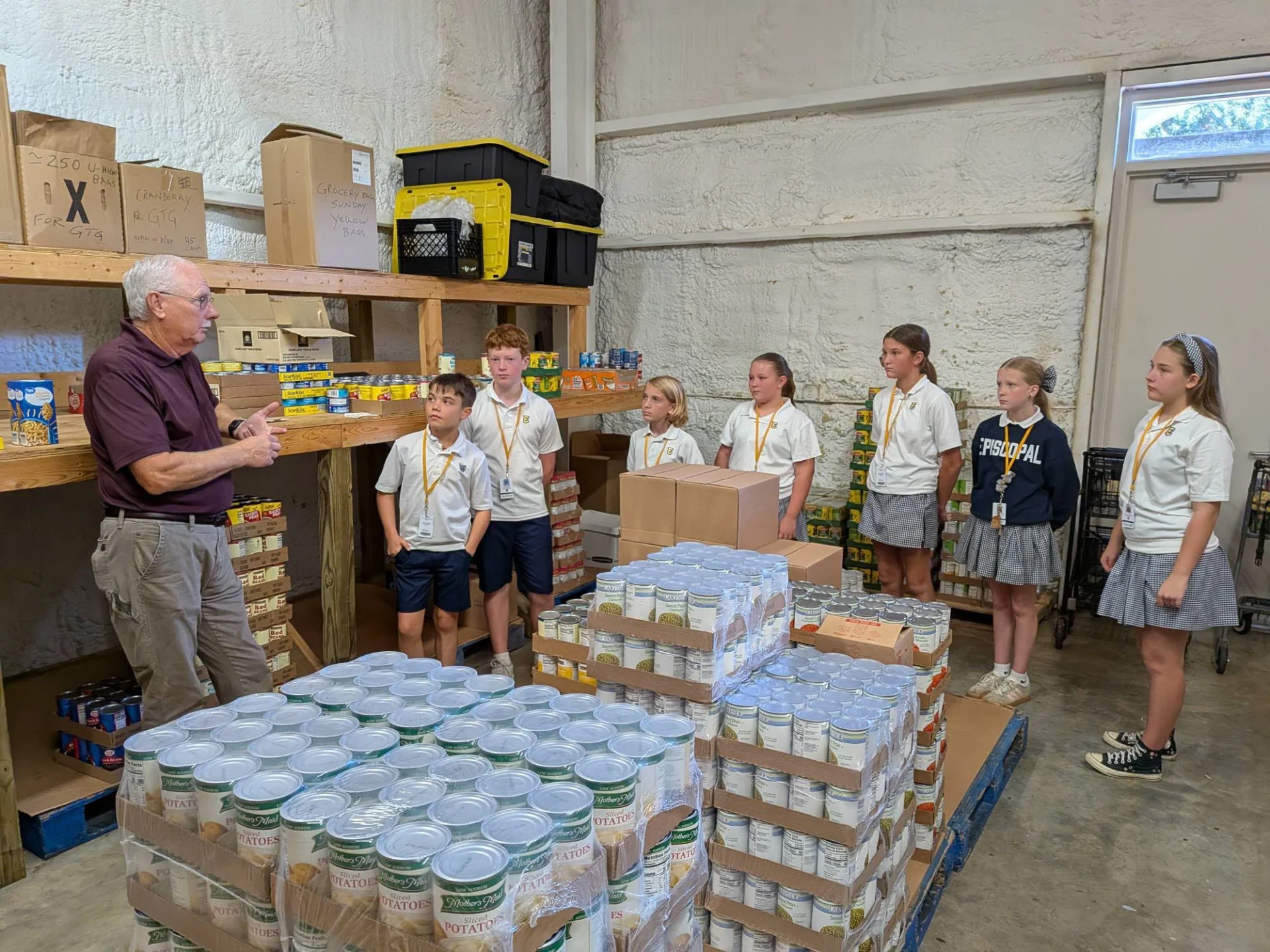 Sep24Service Learning Connects Curriculum and Community
Service learning at Episcopal connects classroom lessons to real community impact. Learn more about how students turn academic study into meaningful service experiences.
See Details

Categories
- All
- Admission
- Athletics
- College Bound 2019
- College Bound 2020
- College Bound 2021
- College Bound 2022
- College Bound 2023
- College Bound 2024
- College Bound 2025
- College Bound 2026
- Counselors Corner
- Episcopal Alumni
- Giving
- Head Of School
- Lower School
- Middle School
- Spirituality And Service
- Student Work
- The Teachers' Lounge
- Upper School
- Visual And Performing Arts
Recent Articles
- 10/5/26Don't Miss Episcopal's Presentation of "Madagascar a Musical Adventure Jr."
- 10/1/262026 Athletic Hall of Fame Inductees Celebrated at Halftime Tribute
- 10/1/26College Experts Provide Advice for Students through New College Advisory Council
- 09/24/26Service Learning Connects Curriculum and Community
- 09/24/26Head of School Peace Day Message
 At a Glance
 Admission and Enrollment
 School Calendar
 Donate Today





.svg?v=1618855226605)


