
- Admission
- Discover Episcopal
- Our Program
- Athletics
- Arts
- Spirituality
- Student Life
- Support Episcopal
- Alumni
- Parent Support Groups
- Karnival Knight 2026
- Knightly News
- Lunch Menu
- Contact Us
- Calendar
- School Store
- Madagascar tickets
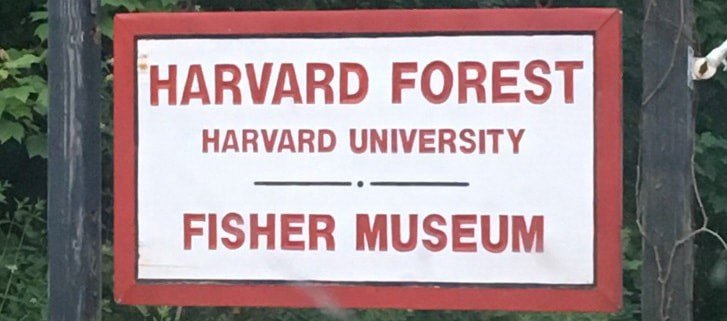
Recent Episcopal Grad Participates in Global Forest Research
June 8th, 2018


The clearest way into the universe is through a forest wilderness. – John Muir
Episcopal graduate Emory Ellis is making a difference in the world through her research of forests across the globe. After graduating in 2016, Emory began studying at Hampshire College in Amherst, Massachusetts. This summer she is spending her time in the Harvard Forest through Harvard University as a part of the National Science Foundation’s Research Experience for Undergraduates. Emory, who is the daughter of Episcopal graduate Randi Simoneaux Ellis ʼ90, says the experience truly is an honor:
.jpg?v=1625768061532) “I will be leading an independent study on how Silica (Si), the 7th most abundant element and the 2nd most abundant element in soils, changes in vegetation under stressed conditions. Si is one of the major nutrients needed by vegetation. It is used for cell structural support, fungal and antibacterial protection, and protection from toxic metals. Not only is Si helpful for vegetation, but vegetation is helpful at keeping high concentrations of Si out of rivers and streams. High Si levels can lead to the overuse of nitrogen by plants and eutrophication. Through working with a professor and utilizing her team of undergraduate students, I hope to understand how trees that have undergone major stress (which is important as the climate shifts and causes more stress to forest systems) influence Si uptake.” “I will be leading an independent study on how Silica (Si), the 7th most abundant element and the 2nd most abundant element in soils, changes in vegetation under stressed conditions. Si is one of the major nutrients needed by vegetation. It is used for cell structural support, fungal and antibacterial protection, and protection from toxic metals. Not only is Si helpful for vegetation, but vegetation is helpful at keeping high concentrations of Si out of rivers and streams. High Si levels can lead to the overuse of nitrogen by plants and eutrophication. Through working with a professor and utilizing her team of undergraduate students, I hope to understand how trees that have undergone major stress (which is important as the climate shifts and causes more stress to forest systems) influence Si uptake.” |
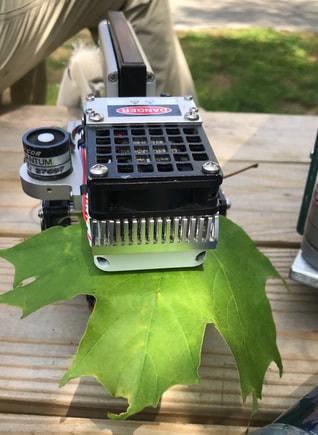
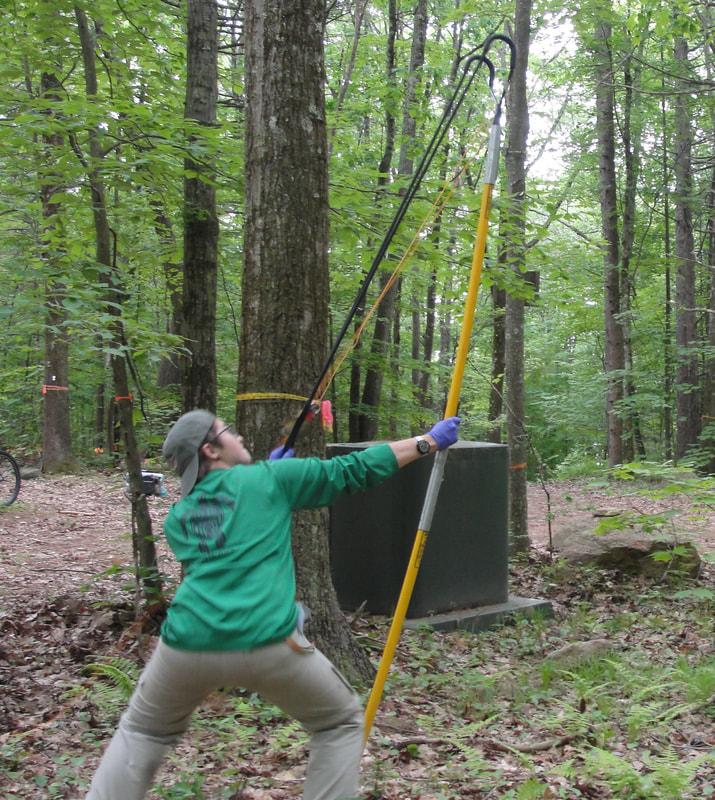
Emory is not new to forest research. During the spring semester she studied the relationship between forest density, wind speed and 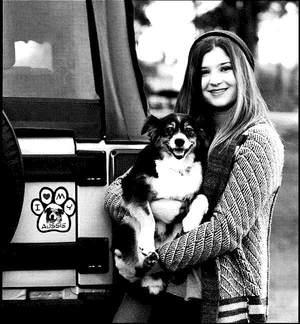 precipitation across South America. She says her findings revealed that there is a strong spatial statistical significance between forest density and precipitation through wind speed. This month, she’ll present her research at the “Intact Forests in the 21st Century” conference at the University of Oxford in England. precipitation across South America. She says her findings revealed that there is a strong spatial statistical significance between forest density and precipitation through wind speed. This month, she’ll present her research at the “Intact Forests in the 21st Century” conference at the University of Oxford in England.Emory has accomplished so much since graduating from Episcopal just two years ago. This certainly does not come as a surprise as here at Episcopal she received Awards of Merit in English and Environmental Science and was named to the National Honor Society and the Division Head List. We can’t wait to see what you do next! |
The Episcopal School of Baton Rouge 2025-2026 application is now available! For more information on the application process, to schedule a tour, or learn more about the private school, contact us at [email protected] or 225-755-2685.
Posted in the categories All, Episcopal Alumni.
Other articles to consider
 Oct5Don't Miss Episcopal's Presentation of "Madagascar a Musical Adventure Jr."
Don't miss this fun and energetic presentation October 16th - 18th. Tickets available now! Plus, check out a list of upcoming arts events.
See Details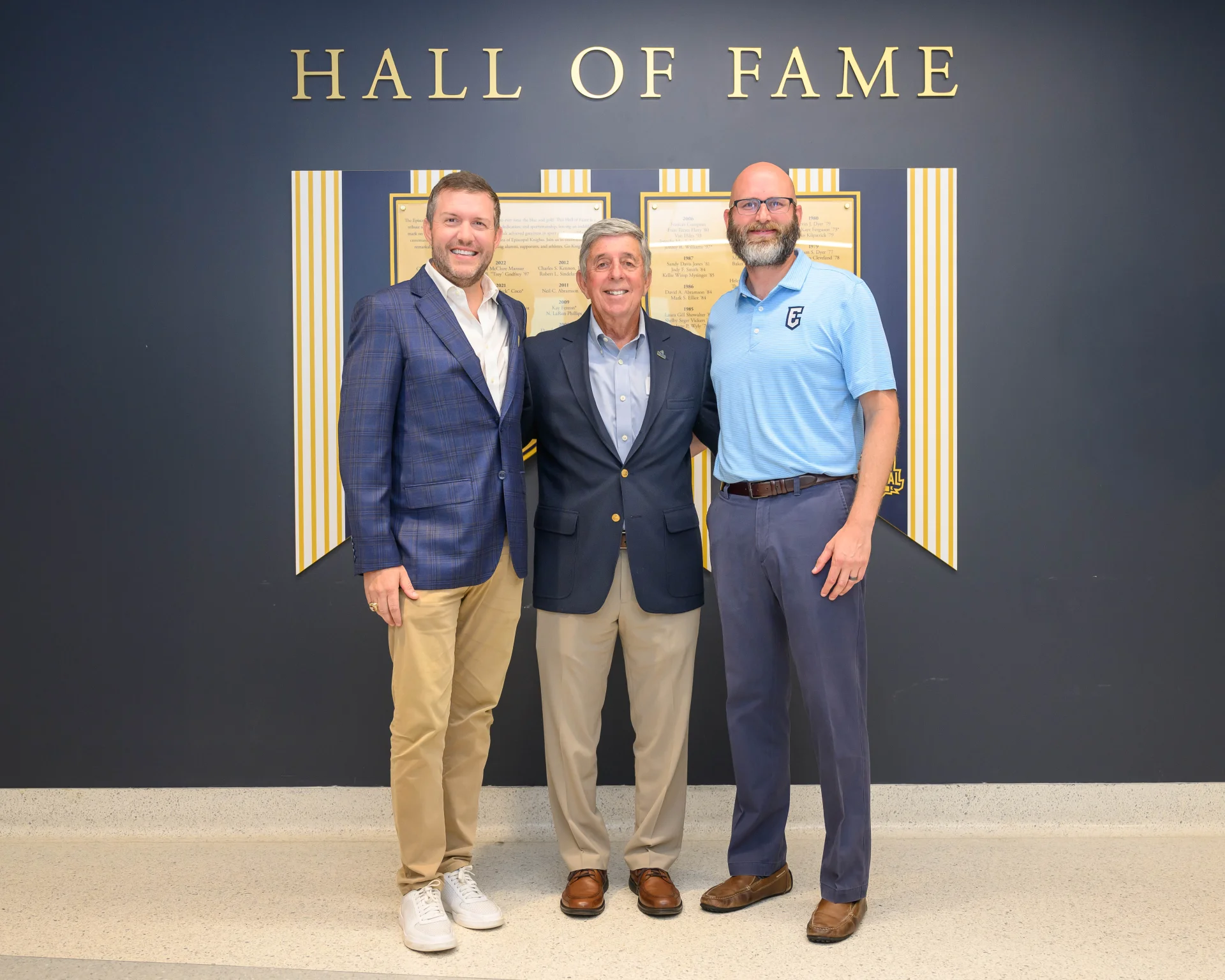 Oct12026 Athletic Hall of Fame Inductees Celebrated at Halftime Tribute
This year's inductees include a record-breaking track and field athlete and a legendary coach.
See Details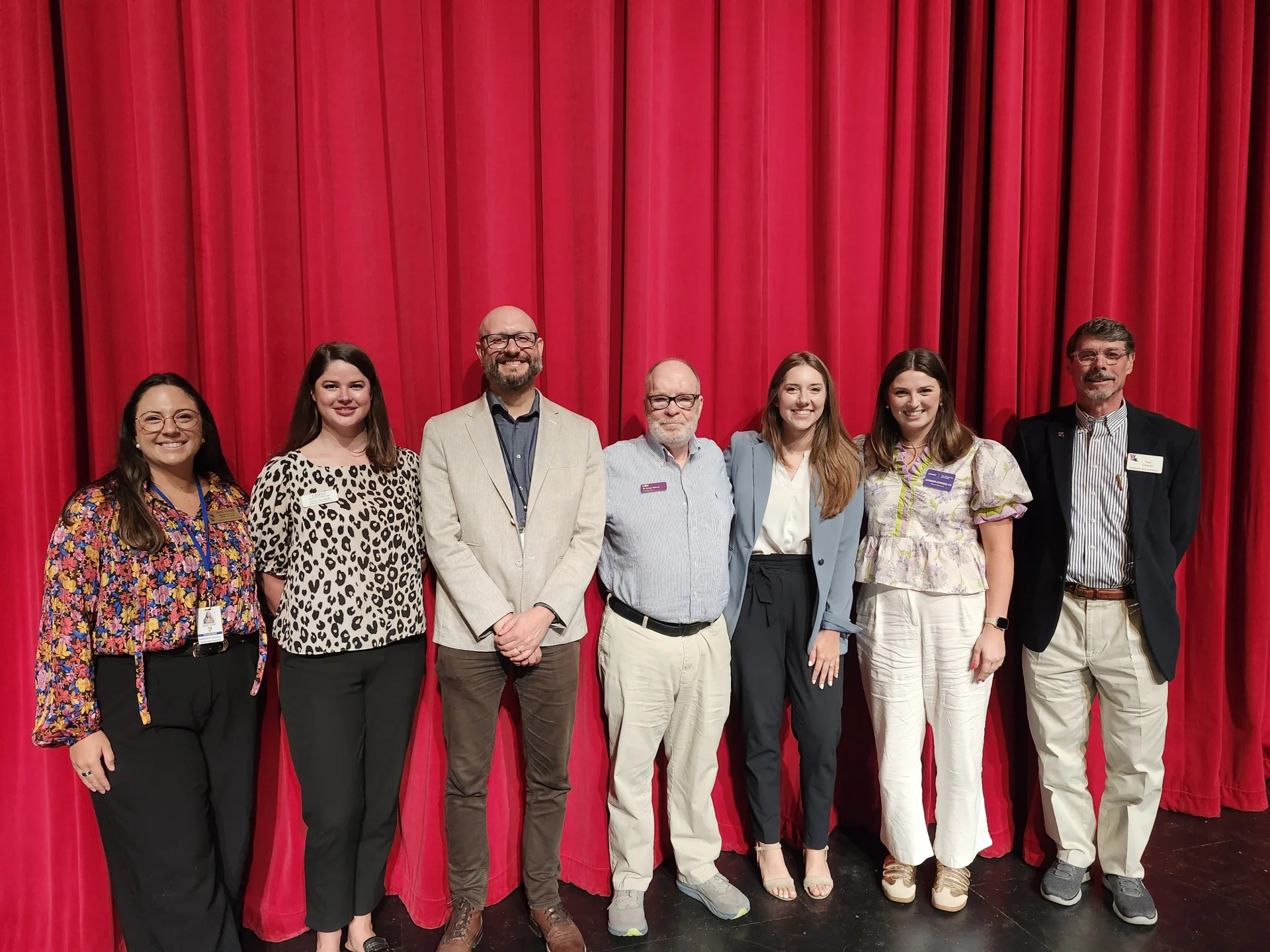 Oct1College Experts Provide Advice for Students through New College Advisory Council
College counselors are boosting university connections and providing students more exposure to admission experts and resources.
See Details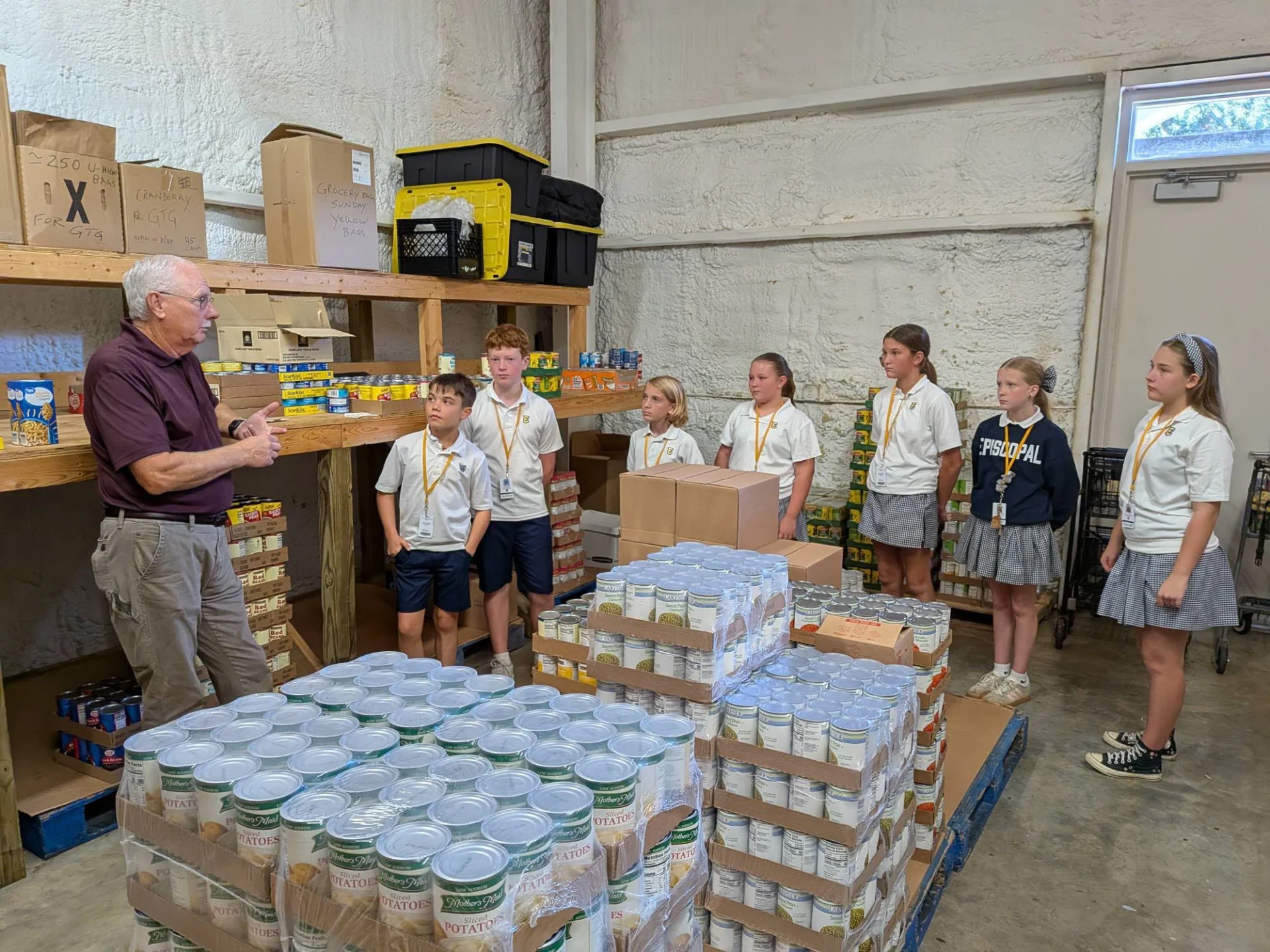 Sep24Service Learning Connects Curriculum and Community
Service learning at Episcopal connects classroom lessons to real community impact. Learn more about how students turn academic study into meaningful service experiences.
See Details

Categories
- All
- Admission
- Athletics
- College Bound 2019
- College Bound 2020
- College Bound 2021
- College Bound 2022
- College Bound 2023
- College Bound 2024
- College Bound 2025
- College Bound 2026
- Counselors Corner
- Episcopal Alumni
- Giving
- Head Of School
- Lower School
- Middle School
- Spirituality And Service
- Student Work
- The Teachers' Lounge
- Upper School
- Visual And Performing Arts
 At a Glance
 Admission and Enrollment
 School Calendar
 Donate Today




.svg?v=1618855226605)


