
- Admission
- Discover Episcopal
- Our Program
- Athletics
- Arts
- Spirituality
- Student Life
- Support Episcopal
- Alumni
- Parent Support Groups
- Karnival Knight 2026
- Knightly News
- Lunch Menu
- Contact Us
- Calendar
- School Store
- Madagascar tickets
Behind Every Number: Humanizing the Holocaust Through Story and Study
January 23rd, 2026


Veteran educator Julie Weaver still lights up recalling the Upper School fall semester course she taught. Sixteen students enrolled in “Behind Every Number: The Holocaust through Stories,” which was offered as a religion elective for the first time this year. The course offered everything from survivor testimony and book studies to deep discussions, cooking lessons, and time with a world-renowned chef.
Weaver typically covers the Holocaust in seventh grade history, where the topic is discussed for several weeks in an age-appropriate manner. This new Upper School course was more in-depth and thought-provoking, with an instructional style similar to a college course. Each class began with survivor testimony, and students engaged in book studies, both of which help translate the vast statistics associated with the Holocaust into people. There is a great diversity of personal experience within the larger historical narrative of the Holocaust, and this course aimed to humanize and memorialize those people through the telling of their stories.
The book study of “The Sunflower” by Simon Wiesenthal was particularly powerful. A Holocaust survivor, the author recounts being summoned by a Nazi on his deathbed. The Nazi told Wiesenthal some of the atrocities he had committed and asked Wiesenthal to forgive him on behalf of the Jews. Senior Associate Chaplain Duncan and Episcopal Identity Program Coordinator Marian Castille participated in a discussion of the book and the concept of forgiveness. Weaver was impressed with the reflections of the students on thought-provoking questions, such as whether a person has the ability to forgive on behalf of a group, whether those following orders are just as guilty as leaders who gave them, and whether it is just as bad for people to look on quietly without protest at human beings enduring shocking pain and humiliation. Weaver was inspired by the students’ comments and says their Episcopal education was clearly reflected in their analysis of the meaning of forgiveness, their strong critical thinking skills and the articulate expression of their thoughts.
A Taste of History
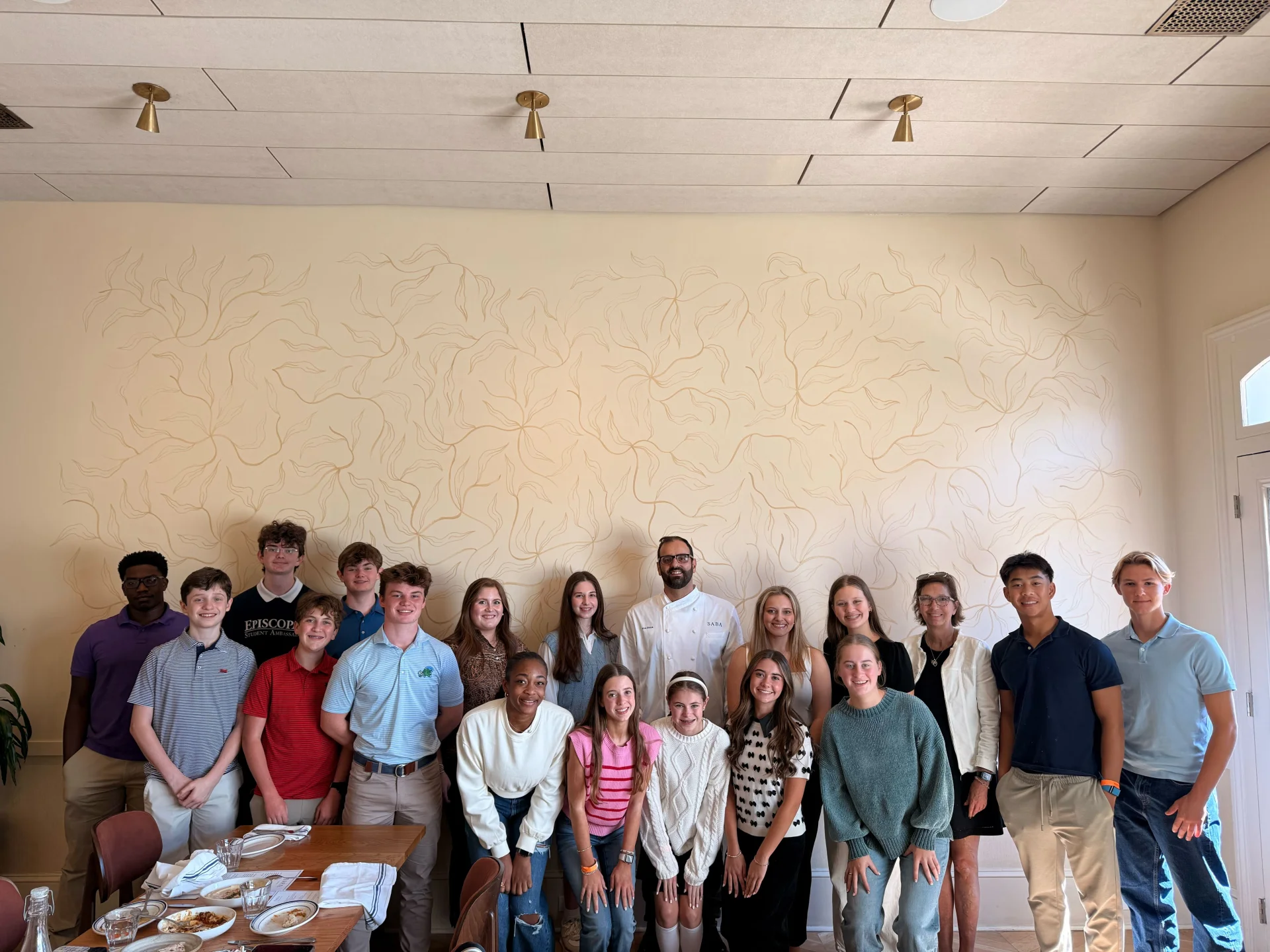
While a visit to the National World War II Museum is a common occurrence given its proximity, Weaver organized a trip to remember. In addition to visiting the museum’s new Holocaust exhibit, students enjoyed lunch at Weaver’s favorite New Orleans restaurant. Saba is owned by James Beard Foundation award-winning Chef Alon Shaya. In her studies of the Holocaust, Weaver learned that Chef Shaya worked with a Holocaust survivor to resurrect recipes from his family's cookbook that was recovered after the war. The cookbook was translated into English, and the measurements and devices were adjusted for modern capabilities. Eventually, Chef Shaya cooked meals from the cookbook, and to the survivor's delight, the food tasted just like the home cooking he remembered. Chef Shaya and the survivor toured the United States, raising funds for the United States Holocaust Memorial Museum to digitize surviving Holocaust documents. Since then, Chef Shaya has earned recognition as one of the “50 People Who are Changing the South” by Southern Living and one of the “50 Most Influential Jews in America” by The Forward.
Weaver wanted to bring this unique perspective to her class, so she emailed Chef Shaya. “I thought there was no way this famous chef would respond to me,” she recalls. However, to her surprise, he did, and in November, the class enjoyed delicious, authentic Israeli cuisine at Saba. Students also had the incredible opportunity to visit with Chef Shaya, who shared his connection to the Holocaust and the process of working with a survivor to preserve documents that can be used as educational tools to honor the victims of the Holocaust. Many of these very documents were used in Weaver’s class. Chef Shaya also talked with students about making a difference in the world by finding your passion. In his case, cooking was his passion, and he used that avenue to honor victims of the Holocaust and to provide educational materials so that it would never be forgotten.
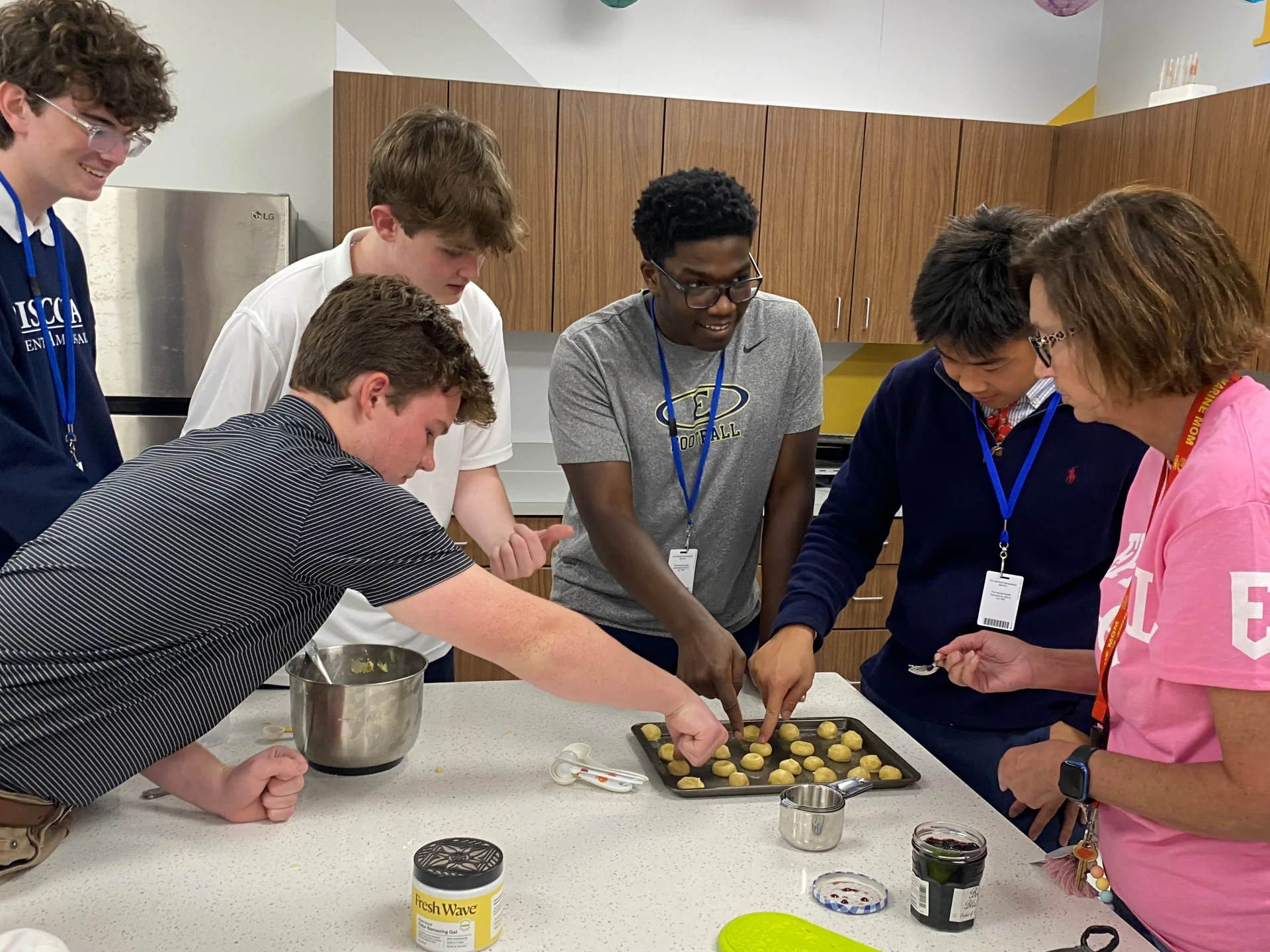
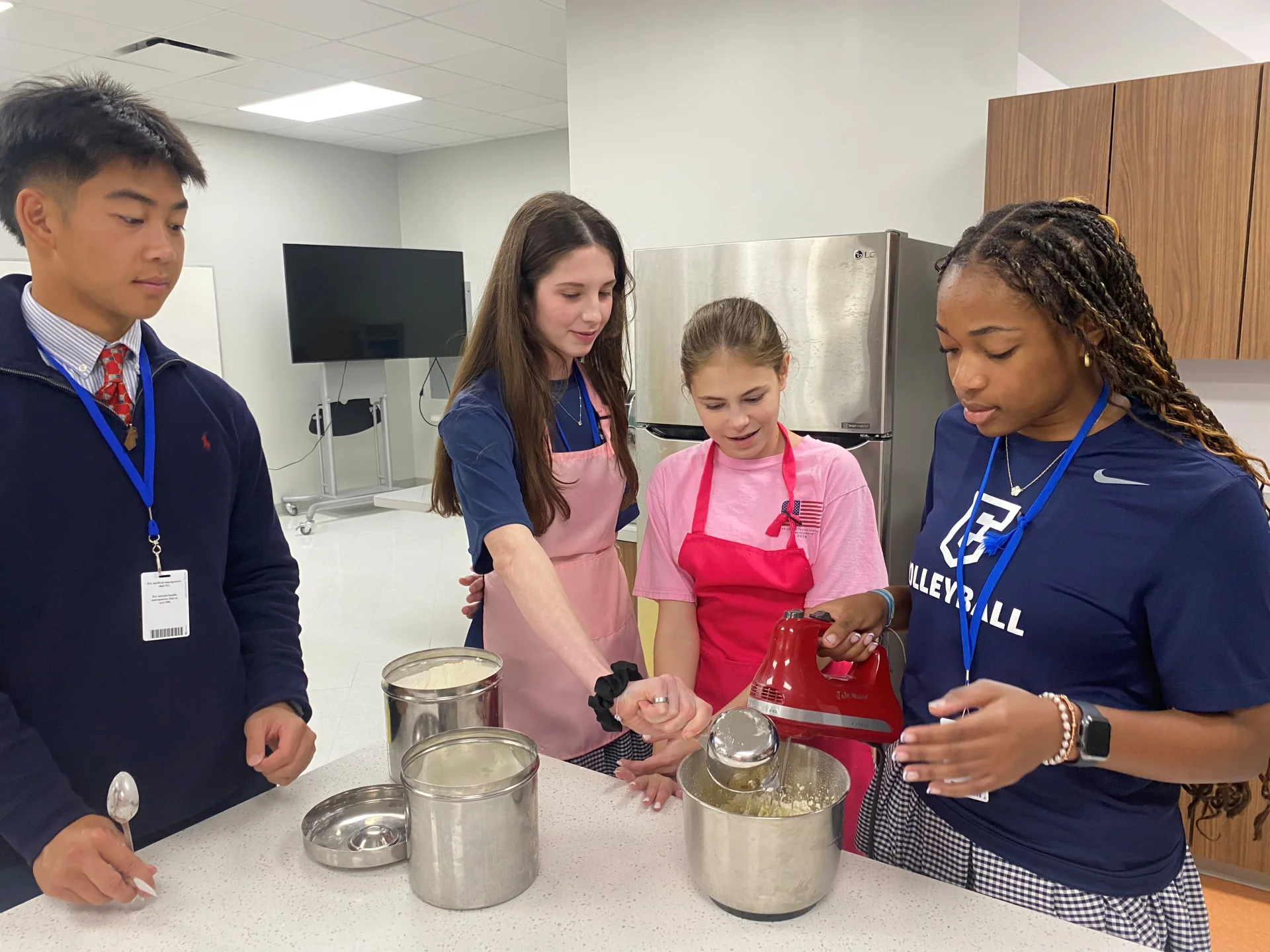
Food was a common theme in the course. Weaver also brought the students to the QUEST Center Kitchen in Foster Hall to make “thimble cookies" using a recipe from Auschwitz survivor Lois Flamholz. Learning the story of this Holocaust survivor helped translate statistics into real people who loved to make cookies and showed one way that the victims of the Holocaust were people just like us.
Hope for the Future
Weaver’s depth of knowledge and meticulous planning shed light on Holocaust survivors in a way that went well beyond numbers. “Through the stories of victims, this history became personal; it was more than a set of dates and statistics, and the stories allowed students to understand that the victims were mothers, fathers, sons, daughters, grandparents, friends…and were not all that different from us,” says Weaver. “Realizing that this history happened to real humans fosters moral insight and is essential to honoring humanity and preventing future injustice. That connection between the past and the present on an individual level is at the heart of meaningful history education.”
Students commented that the course was challenging because of the topic, but Weaver says that her students connected deeply with the history of the Holocaust and recognized its moral implications. She reminds us that the Holocaust did not begin with concentration camps; it began with small acts of hatred and discrimination that snowballed into one of the most horrific events in human history. Her students clearly grasp the profound impacts of hatred and discrimination and recognize their role in standing for justice. The experience makes Weaver hopeful for the future and proud that Episcopal educates students in a manner that encourages critical thinking and respectful discourse.
Weaver has been passionate about the Holocaust since her own experience as a high school student at Episcopal. She still remembers reading “Mila 18” by Leon Uris in 10th grade, which sparked an interest that continues to this day. As part of her Fellowship with the United States Holocaust Memorial Museum, Weaver is trained to educate teachers on how to teach the topic. She has already taught pre-certification teachers at LSU, Southeastern, and the University of Louisiana at Lafayette. In addition, she has made real connections with the other Fellows, and they regularly chat and share advice and strategies. Weaver also offered an Episcopal Knight School course for adults focused on the Holocaust and remains in touch with those participants as well.
After a lifetime of learning and sharing her knowledge, Weaver hopes to be a catalyst for change regarding Holocaust education. She points out that Louisiana is one of nine states that do not mandate Holocaust education. “In my opinion, the importance of Holocaust education cannot be overstated,” she says. “In addition to understanding the history of that time period, learning about the Holocaust directly shows the impact that history has on the world we live in today, teaches the ramifications of prejudice and stereotyping in our daily lives, and illustrates the difference that the actions of one person can make. Holocaust education can cultivate informed and responsible citizens that understand the dangers of hatred and discrimination in our society.”
The Episcopal School of Baton Rouge 2025-2026 application is now available! For more information on the application process, to schedule a tour, or learn more about the private school, contact us at [email protected] or 225-755-2685.
Posted in the categories All, Upper School.
Other articles to consider
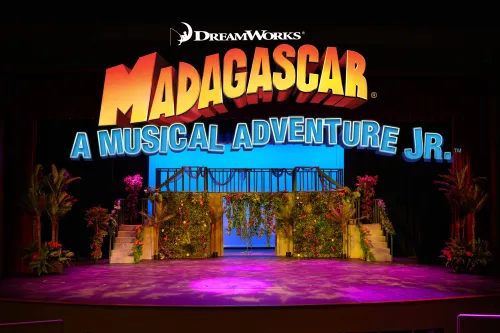 Oct5Don't Miss Episcopal's Presentation of "Madagascar a Musical Adventure Jr."
Don't miss this fun and energetic presentation October 16th - 18th. Tickets available now! Plus, check out a list of upcoming arts events.
See Details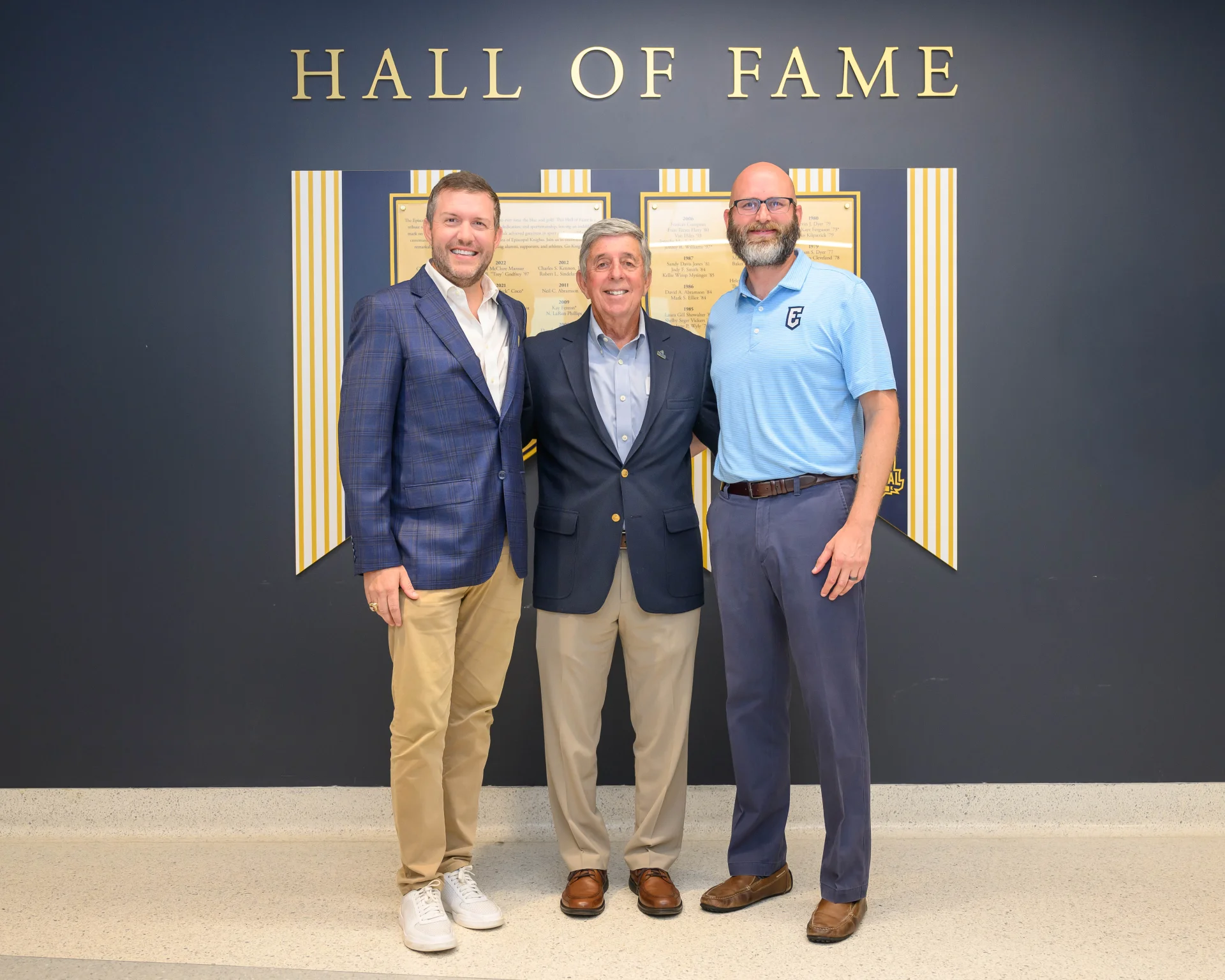 Oct12026 Athletic Hall of Fame Inductees Celebrated at Halftime Tribute
This year's inductees include a record-breaking track and field athlete and a legendary coach.
See Details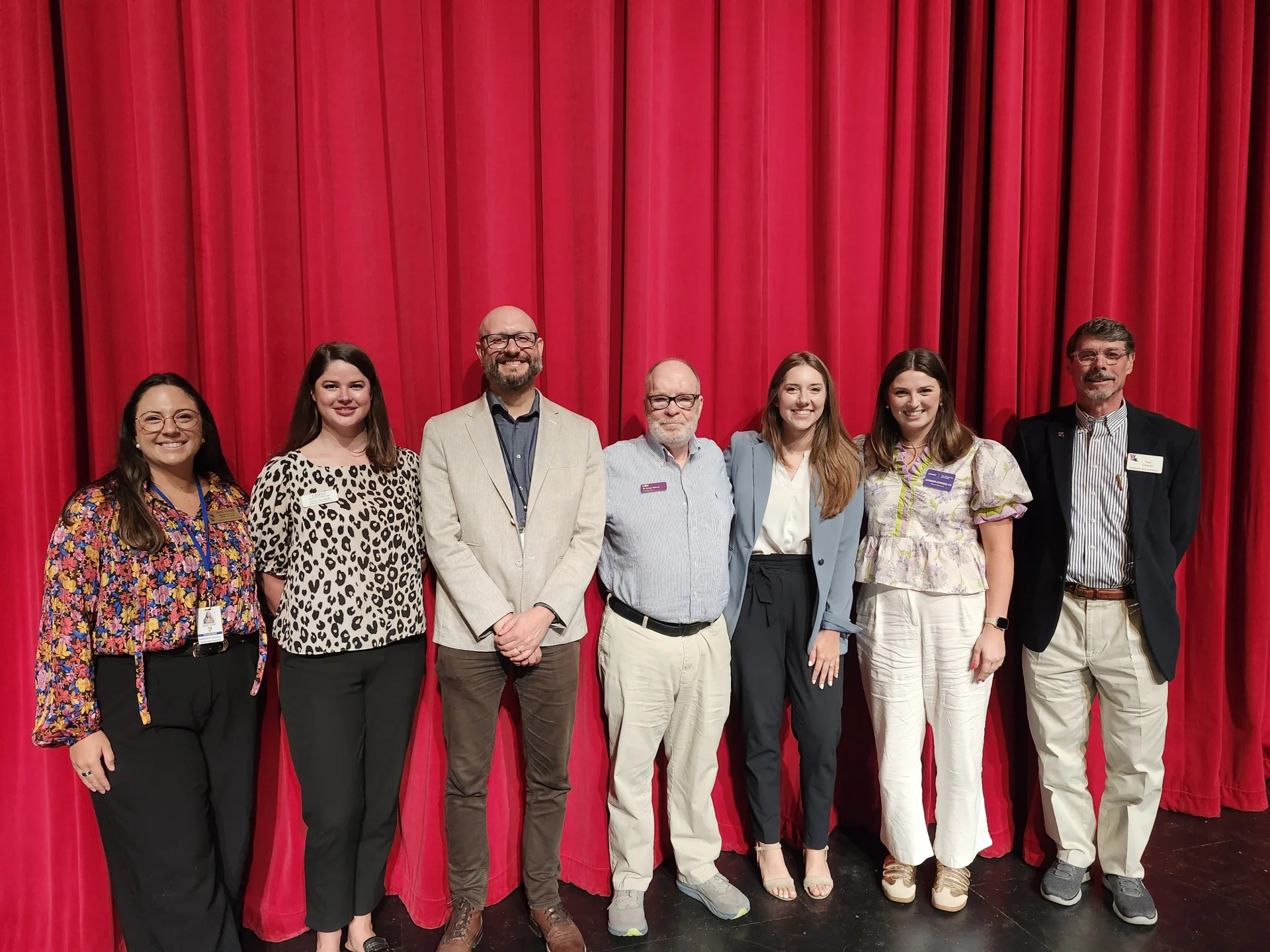 Oct1College Experts Provide Advice for Students through New College Advisory Council
College counselors are boosting university connections and providing students more exposure to admission experts and resources.
See Details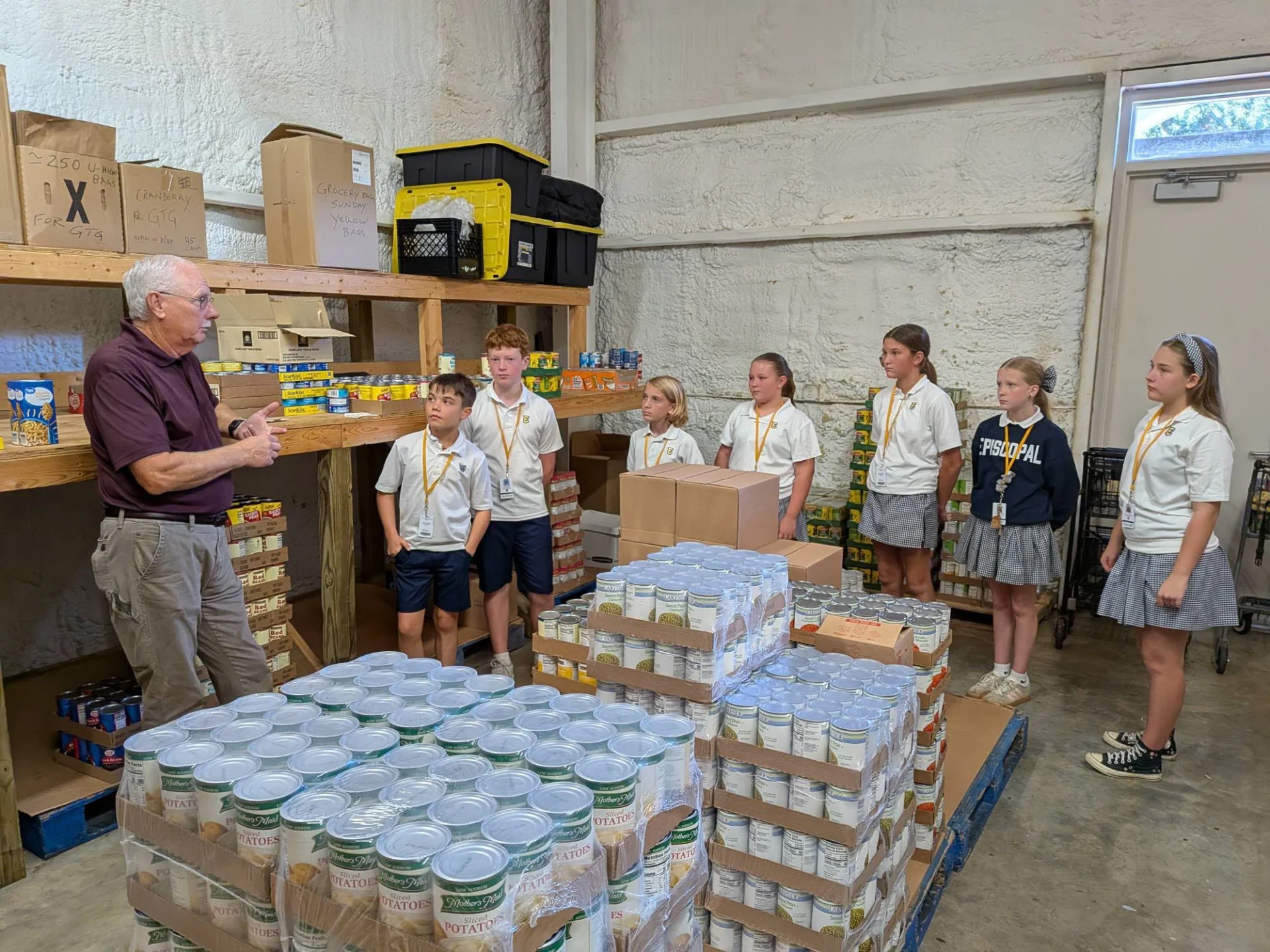 Sep24Service Learning Connects Curriculum and Community
Service learning at Episcopal connects classroom lessons to real community impact. Learn more about how students turn academic study into meaningful service experiences.
See Details

Categories
- All
- Admission
- Athletics
- College Bound 2019
- College Bound 2020
- College Bound 2021
- College Bound 2022
- College Bound 2023
- College Bound 2024
- College Bound 2025
- College Bound 2026
- Counselors Corner
- Episcopal Alumni
- Giving
- Head Of School
- Lower School
- Middle School
- Spirituality And Service
- Student Work
- The Teachers' Lounge
- Upper School
- Visual And Performing Arts
Recent Articles
- 10/5/26Don't Miss Episcopal's Presentation of "Madagascar a Musical Adventure Jr."
- 10/1/262026 Athletic Hall of Fame Inductees Celebrated at Halftime Tribute
- 10/1/26College Experts Provide Advice for Students through New College Advisory Council
- 09/24/26Service Learning Connects Curriculum and Community
- 09/24/26Head of School Peace Day Message
 At a Glance
 Admission and Enrollment
 School Calendar
 Donate Today




.svg?v=1618855226605)


