
- Admission
- Discover Episcopal
- Our Program
- Athletics
- Arts
- Spirituality
- Student Life
- Support Episcopal
- Alumni
- Parent Support Groups
- Karnival Knight 2026
- Knightly News
- Lunch Menu
- Contact Us
- Calendar
- School Store
- Madagascar tickets
LSU Lakes Project Teaches Students to be Prepared
December 1st, 2021


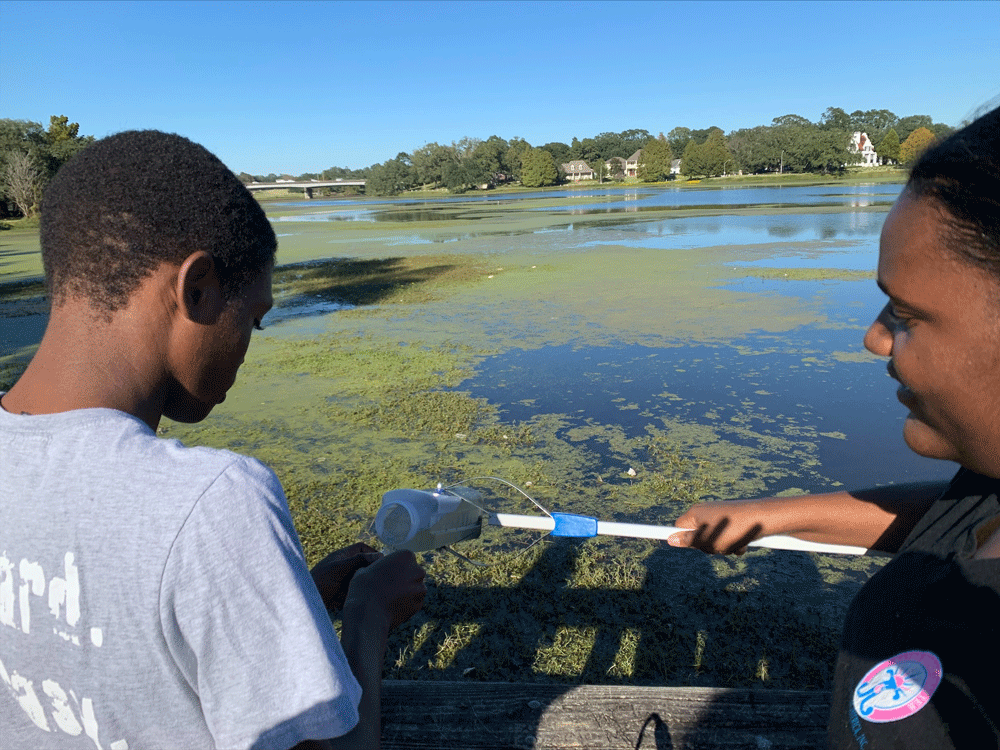
Water collection device – check
Calibration fluid – check
Lab journal – check
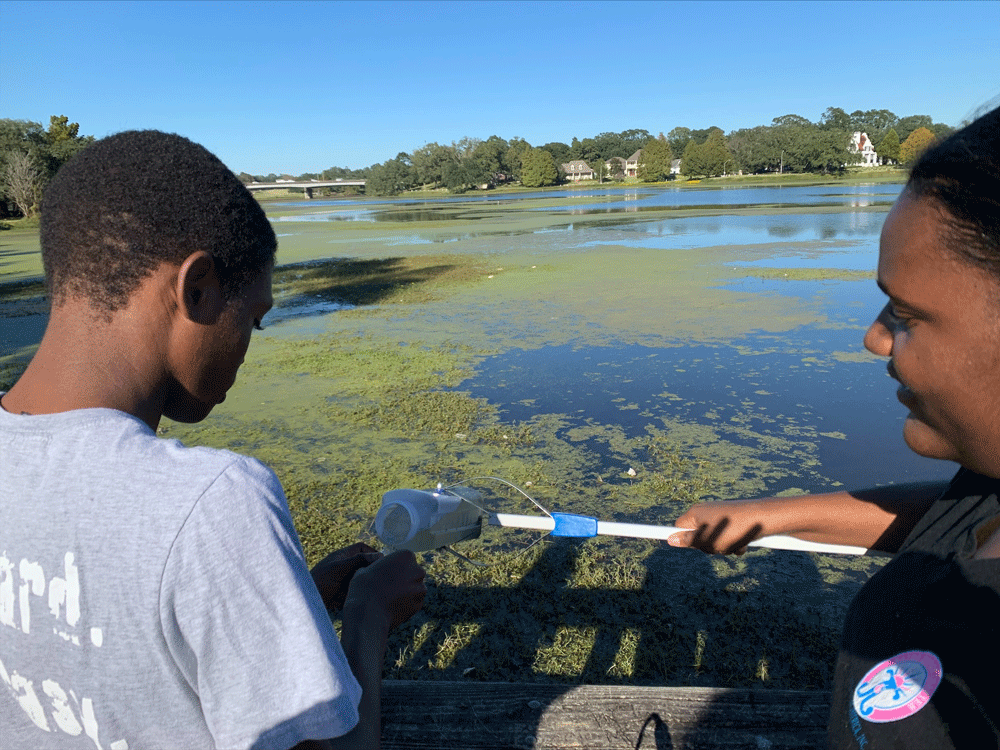
AP Environmental Science students are learning what it takes to successfully plan and conduct an experiment. Dr. Natalie Mills challenged students to develop an experiment to answer the question, “How does water depth affect an aquatic ecosystem, such as the LSU lake system?” By the end of the assignment, students will write a methodology, develop and test a hypothesis and prepare a comprehensive lab report presenting their findings. But first, students have to collect the water.
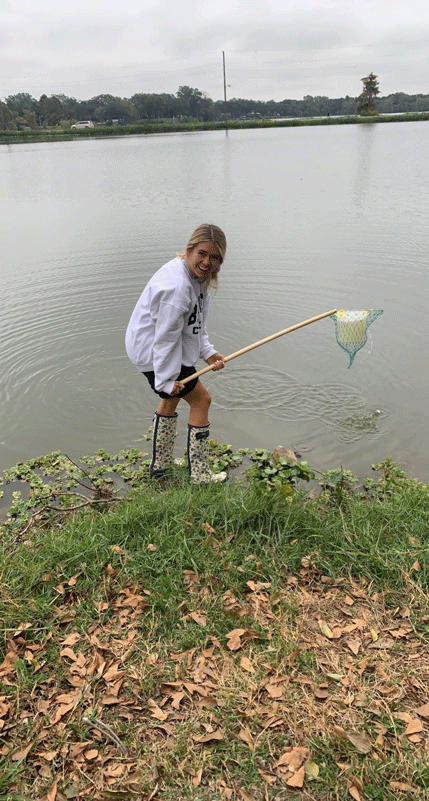
The 11 AP students are collecting water from the algae-covered lakes five times in five weeks. The work is dirty, and the students spot insects and creatures. “They’re making a beautiful mess out there,” says Dr. Mills with enthusiasm. Amid the splashing and exploring, students discuss concepts such as the dead zone, hypoxia, runoff and eutrophication. The hands-on experience makes learning memorable in a way that a textbook cannot accomplish.
Dr. Mills designed the AP assignment to push students to discover the experimentation process on their own. Much like a parent, she allows them to test their abilities as she offers support when needed. She says it’s one thing for her to tell the students the steps to create an experiment, but it’s quite another if they discover those steps on their own.
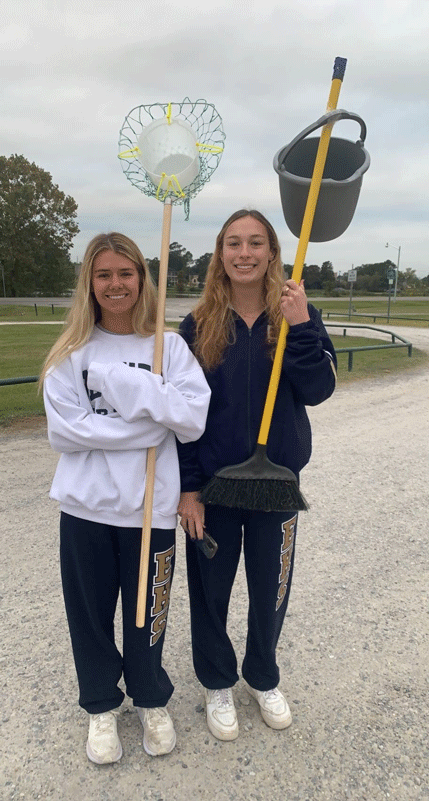
"They are learning to be prepared," says Dr. Mills
Making scientific discoveries requires students to problem solve and troubleshoot. For example, students designed their own methods for collecting water. The process required considerable planning and preparation. “I learned the importance of making sure to have everything organized and making sure that the device was made to collect not only the water but sediments,” says senior Cailyn Jordan, who has enjoyed the opportunity to go out with her classmates and test the devices.
Dr. Mills was pleased with the students’ device ideas, which ranged from a bucket with a broom taped onto it to a tiki torch contraption. In addition to designing devices, students had to also become familiar with the testing equipment. The process required them to gain an understanding of calibration practices and the supplies needed to prepare an instrument.
While there have been a few missteps along the way, Dr. Mills is pleased with the progress and the students’ ability to adapt. “Science is not cookie cutter,” she says with a big smile. “Each time we go out there we do a little more.”
The experience is something Dr. Mills is confident will serve students well in college. As a former teaching assistant at LSU, she remembers the lab students who were well prepared and knowledgeable about scientific practices. “Those students stuck out to me, and I want them to be Episcopal students,” she says. Before the course is complete, students will learn to analyze data, produce lab reports, how to use Excel and how to create graphs. They will be ready for the university experiences that await them.
The LSU lakes project is just one of the many ways that Episcopal faculty prepare students for the next steps in their educational journeys. How did Episcopal prepare you? Share your thoughts in the comments section below.
The Episcopal School of Baton Rouge 2025-2026 application is now available! For more information on the application process, to schedule a tour, or learn more about the private school, contact us at [email protected] or 225-755-2685.
Posted in the categories All, Upper School.
Other articles to consider
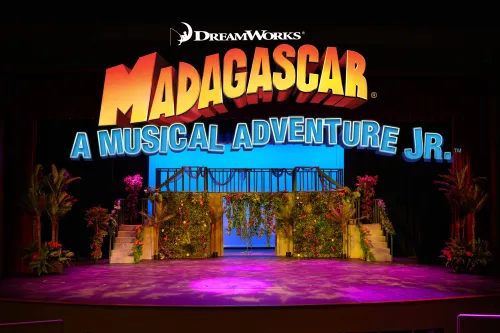 Oct5Don't Miss Episcopal's Presentation of "Madagascar a Musical Adventure Jr."
Don't miss this fun and energetic presentation October 16th - 18th. Tickets available now! Plus, check out a list of upcoming arts events.
See Details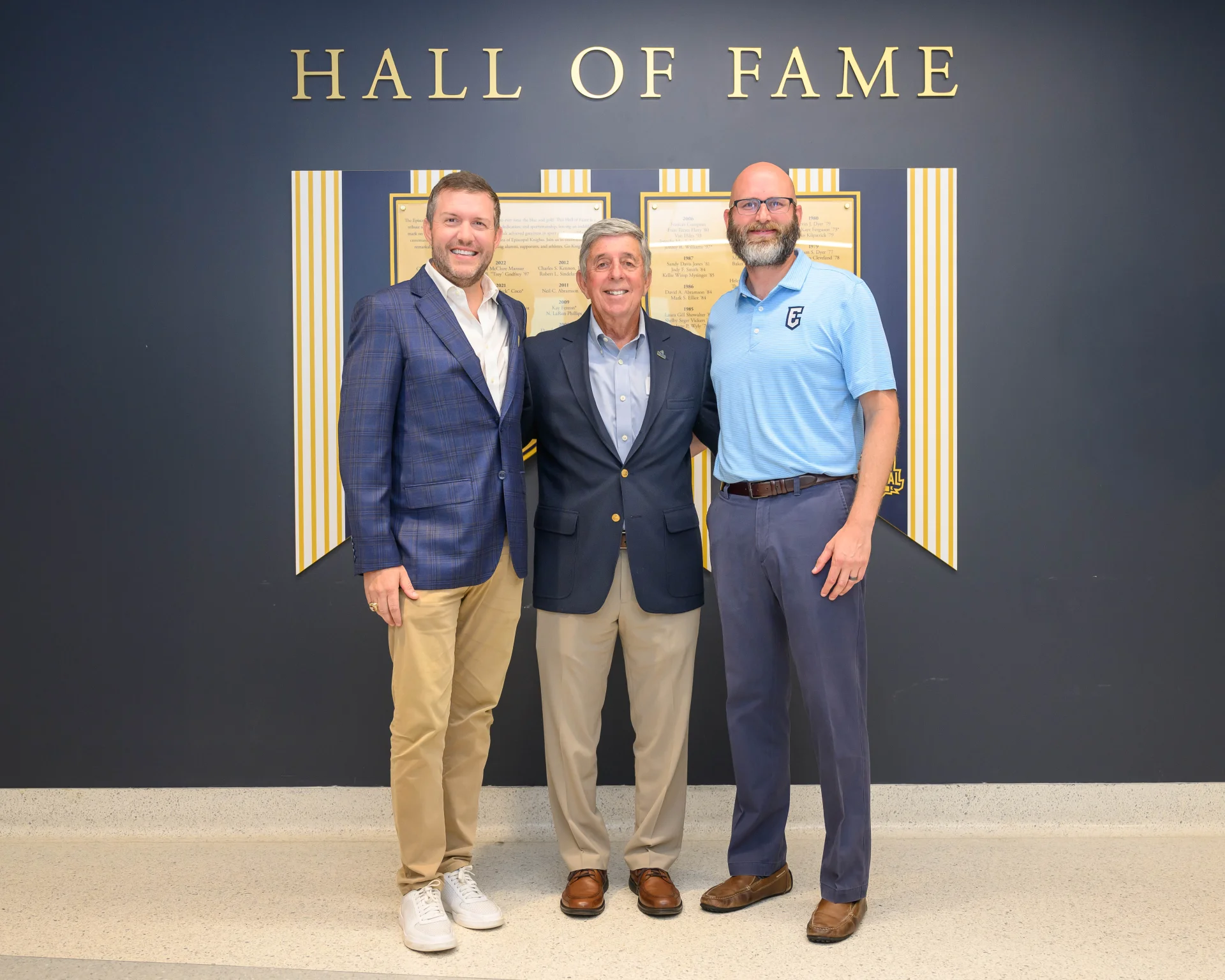 Oct12026 Athletic Hall of Fame Inductees Celebrated at Halftime Tribute
This year's inductees include a record-breaking track and field athlete and a legendary coach.
See Details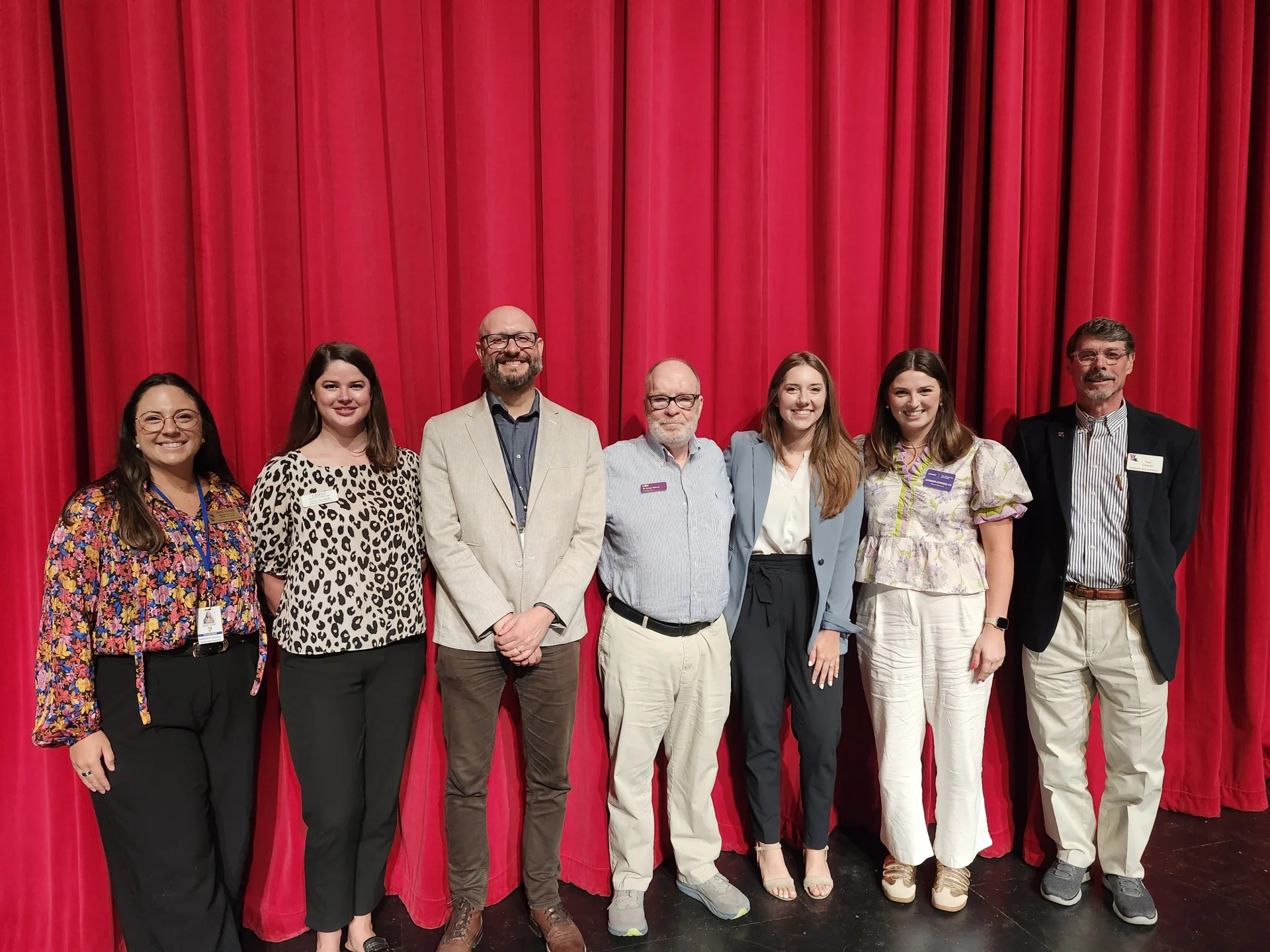 Oct1College Experts Provide Advice for Students through New College Advisory Council
College counselors are boosting university connections and providing students more exposure to admission experts and resources.
See Details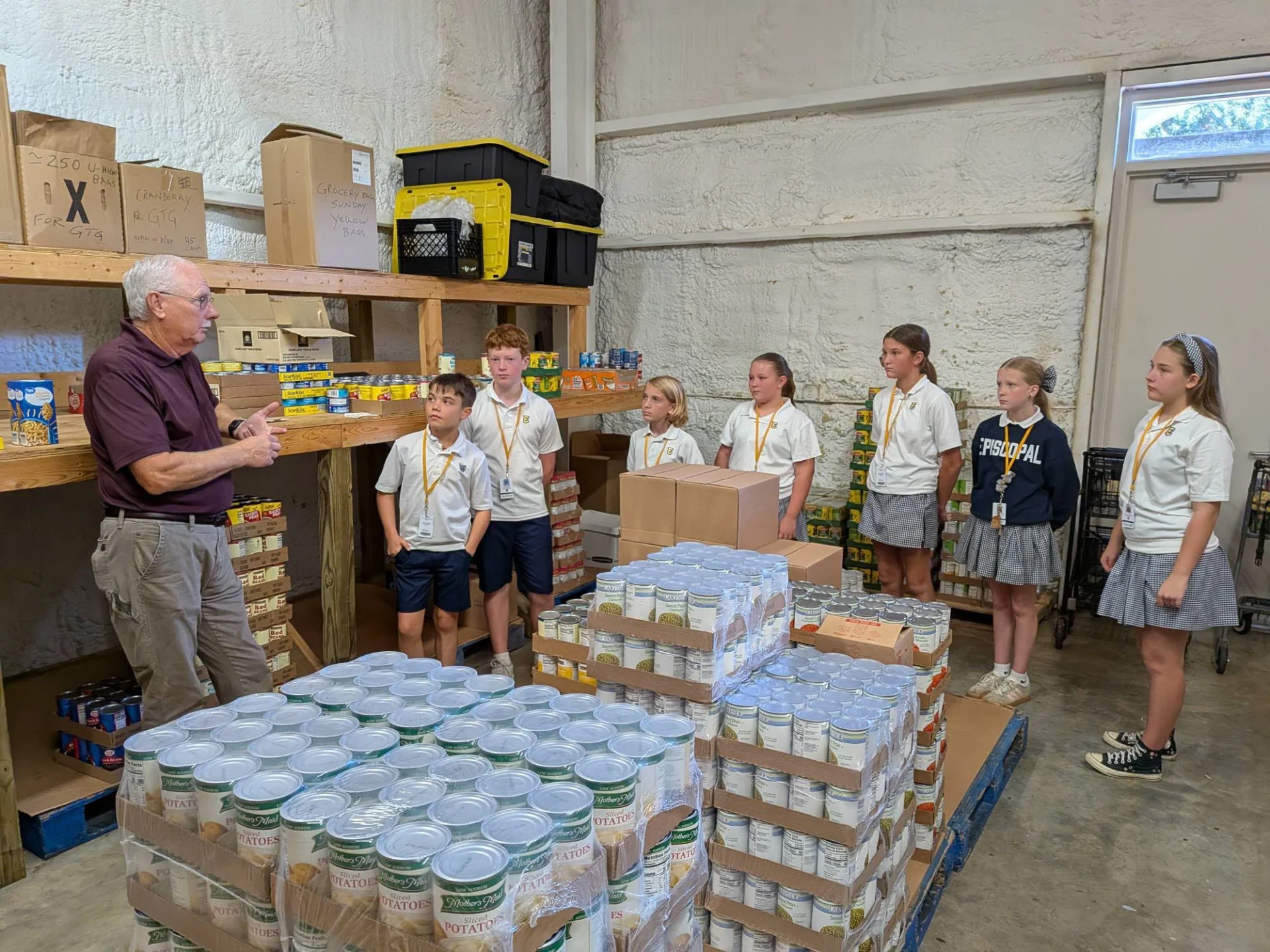 Sep24Service Learning Connects Curriculum and Community
Service learning at Episcopal connects classroom lessons to real community impact. Learn more about how students turn academic study into meaningful service experiences.
See Details

Categories
- All
- Admission
- Athletics
- College Bound 2019
- College Bound 2020
- College Bound 2021
- College Bound 2022
- College Bound 2023
- College Bound 2024
- College Bound 2025
- College Bound 2026
- Counselors Corner
- Episcopal Alumni
- Giving
- Head Of School
- Lower School
- Middle School
- Spirituality And Service
- Student Work
- The Teachers' Lounge
- Upper School
- Visual And Performing Arts
 At a Glance
 Admission and Enrollment
 School Calendar
 Donate Today




.svg?v=1618855226605)


