
- Admission
- Discover Episcopal
- Our Program
- Athletics
- Arts
- Spirituality
- Student Life
- Support Episcopal
- Alumni
- Parent Support Groups
- Karnival Knight 2026
- Knightly News
- Lunch Menu
- Contact Us
- Calendar
- School Store
- Madagascar tickets
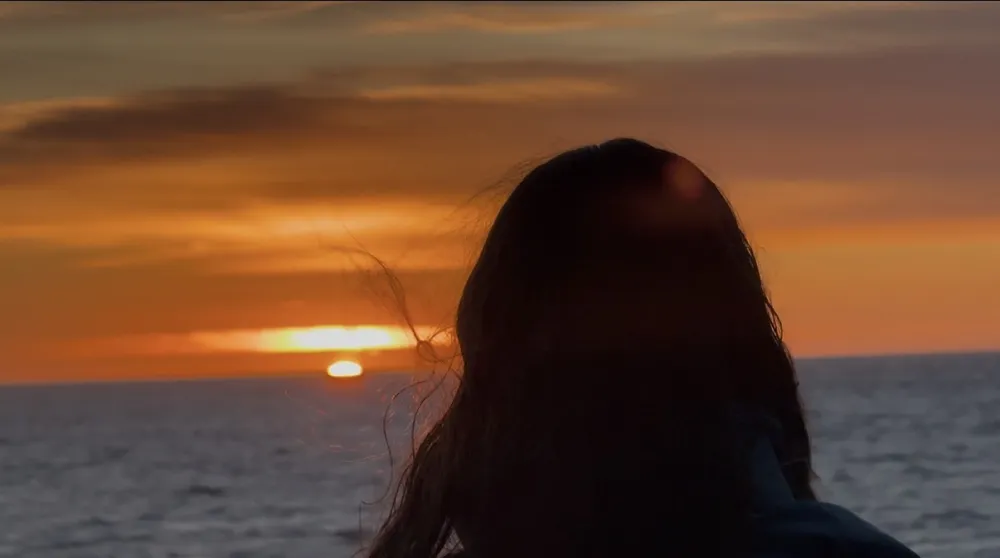
SE Greenland: Exploring at the Edge of the Polar Ice Cap
August 21st, 2026


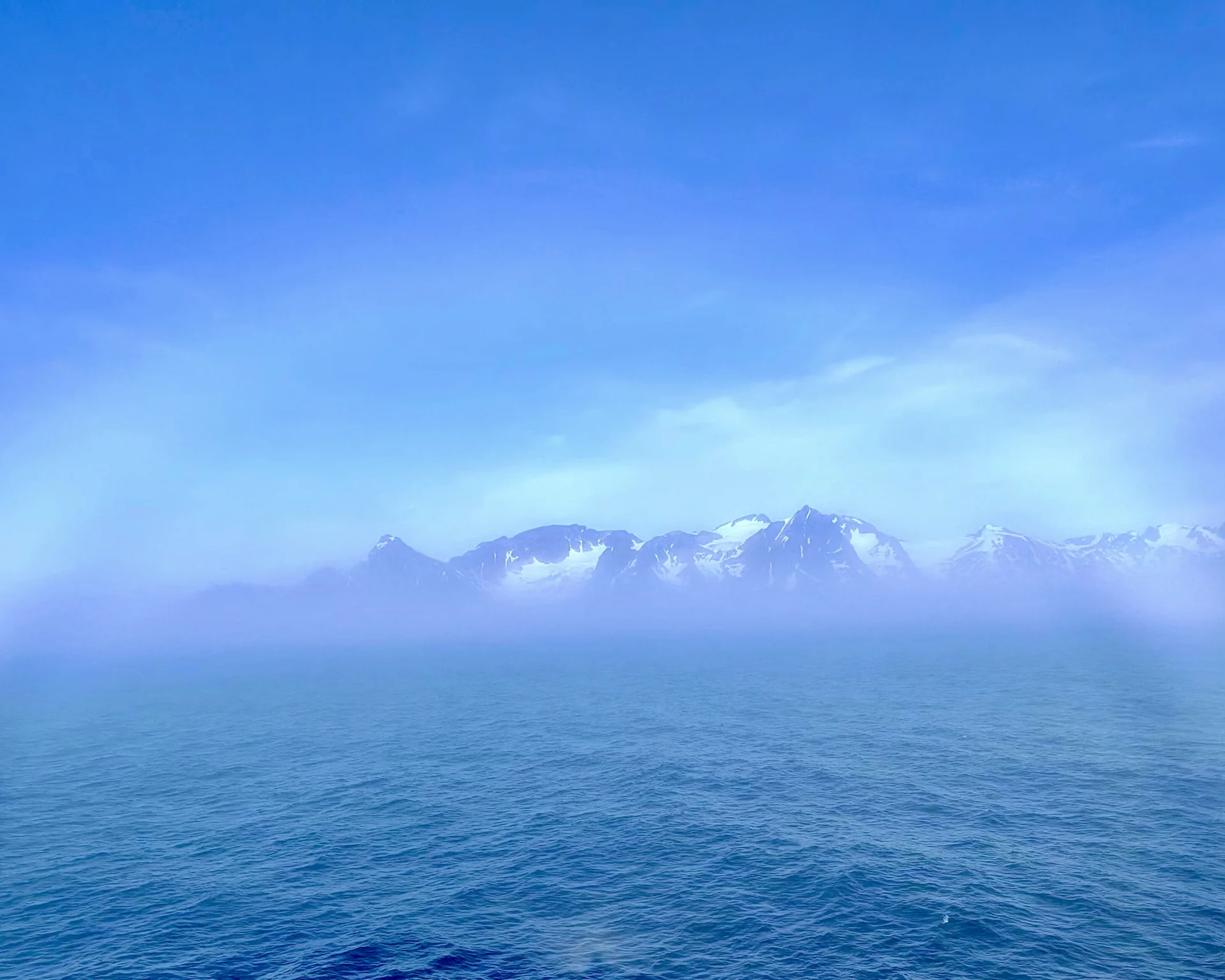
In the fall of 2025, I applied to the Grosvenor Teacher Fellowship, a professional development program run by National Geographic and Lindblad Expeditions, one of their many exciting educational opportunities, and I was accepted in Spring of 2026, joining their 20th anniversary cohort alongside 36 amazing educators from across the United States and Canada.
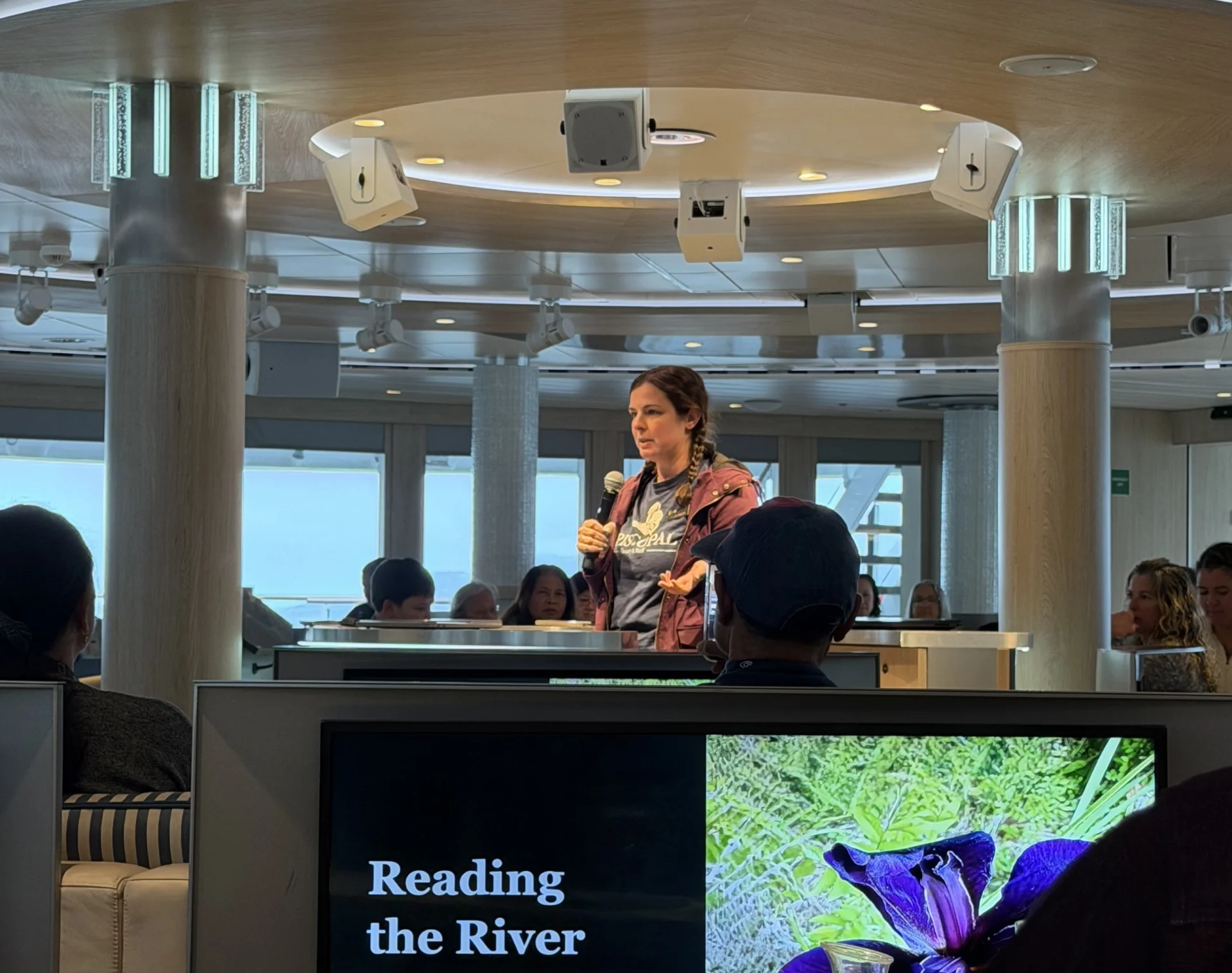
I’m so grateful to my students who inspire me to keep teaching and keep learning year after year, and to the National Geographic Society and Lindblad Expeditions for the Grosvenor Teacher Fellowship, and for their contributions to science, storytelling, and education at large.
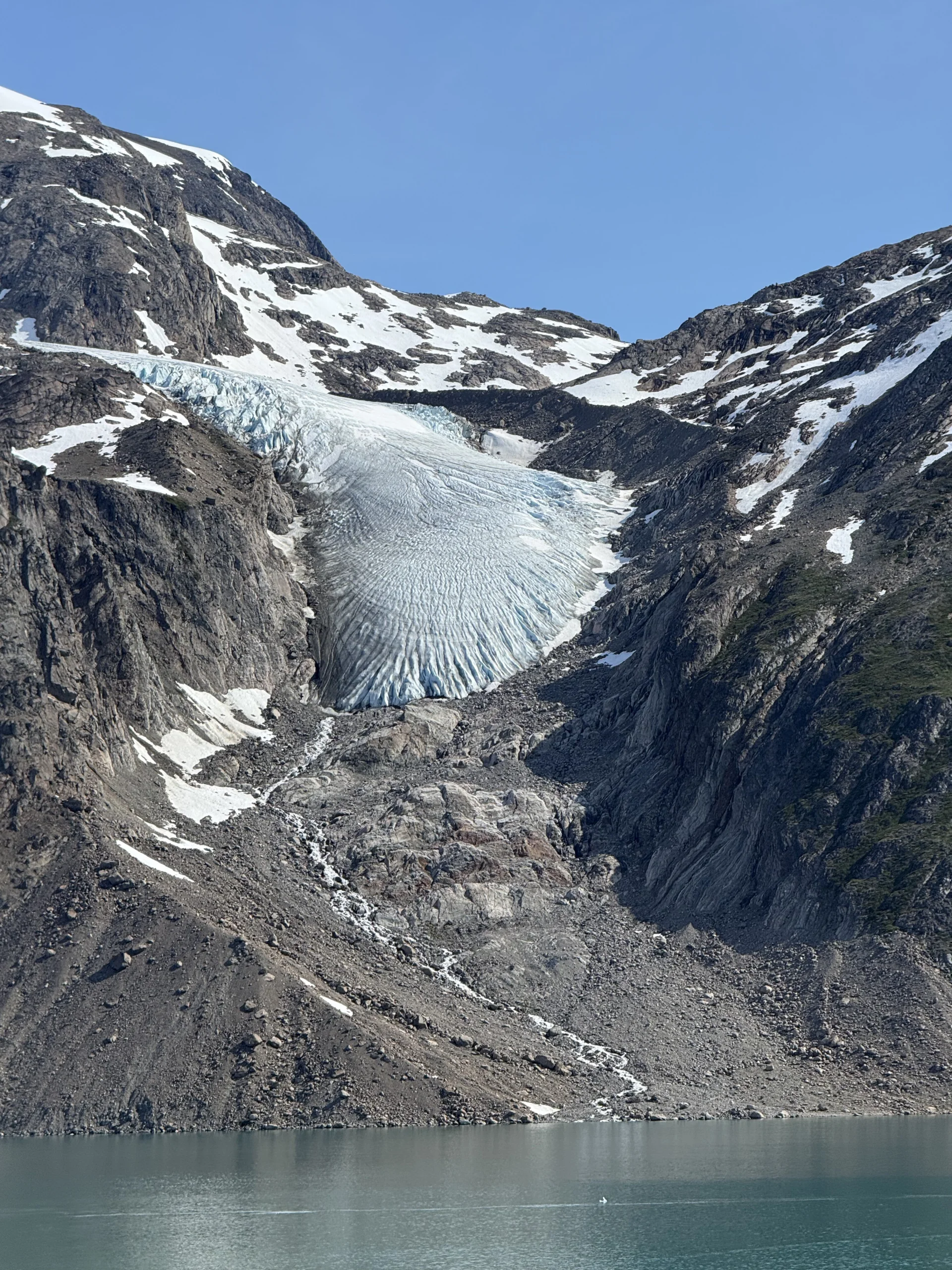
Telling the story of my experience seems impossible, so I’ve resolved to tell a story that is lingering most ardently for me: Greenland’s glaciers and polar ice sheet and the Atlantic Meridional Overturning Circulation (AMOC). The most impactful part of this PD was the overwhelming feeling of interconnectedness, that across an ocean, we are still connected by the systems that govern our natural world.
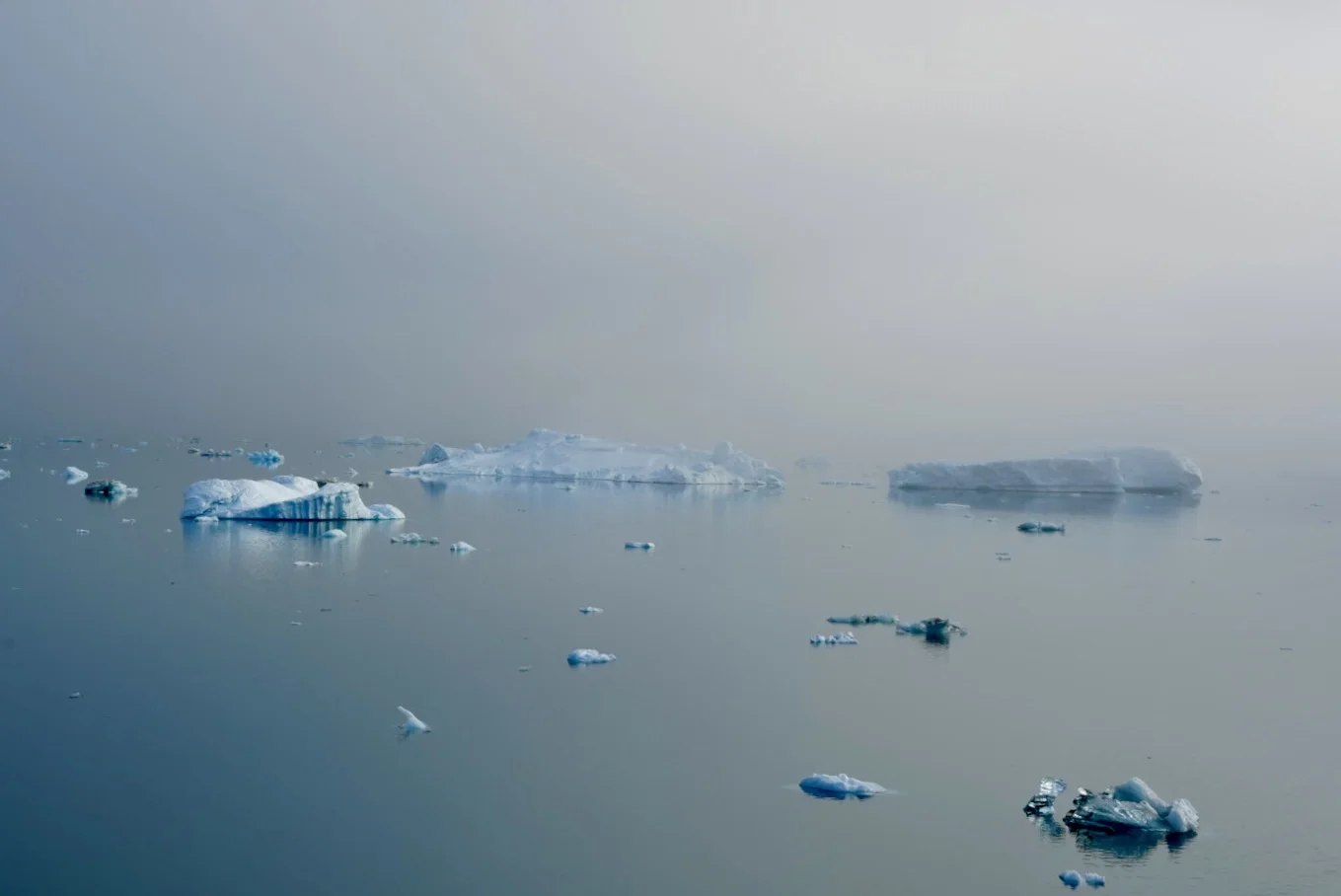
After leaving Skjoldungen/Saqqisikuik Fjord heading South, we had to turn around and go back North because the fjord was blocked by giant icebergs. Riding along the foggy coast that morning, close to the Irminger Sea, I sat on the bridge with the captains, solved crosswords, and chatted about the waters surrounding us. The stretch of water is unremarkable at first glance: gray, cold, occasionally iced. The water’s surface conceals the consequential processes happening close by, underneath. Southeast Greenland’s coastal waters begin their journey in the Gulf of Mexico.
This I learned, among so much else, this summer aboard the National Geographic Endurance, listening to presentations by geologists, naturalists, photographers, historians, and biologists, or reading in the library’s soft nighttime lighting or sitting outside on Deck 6 in the quiet mornings.
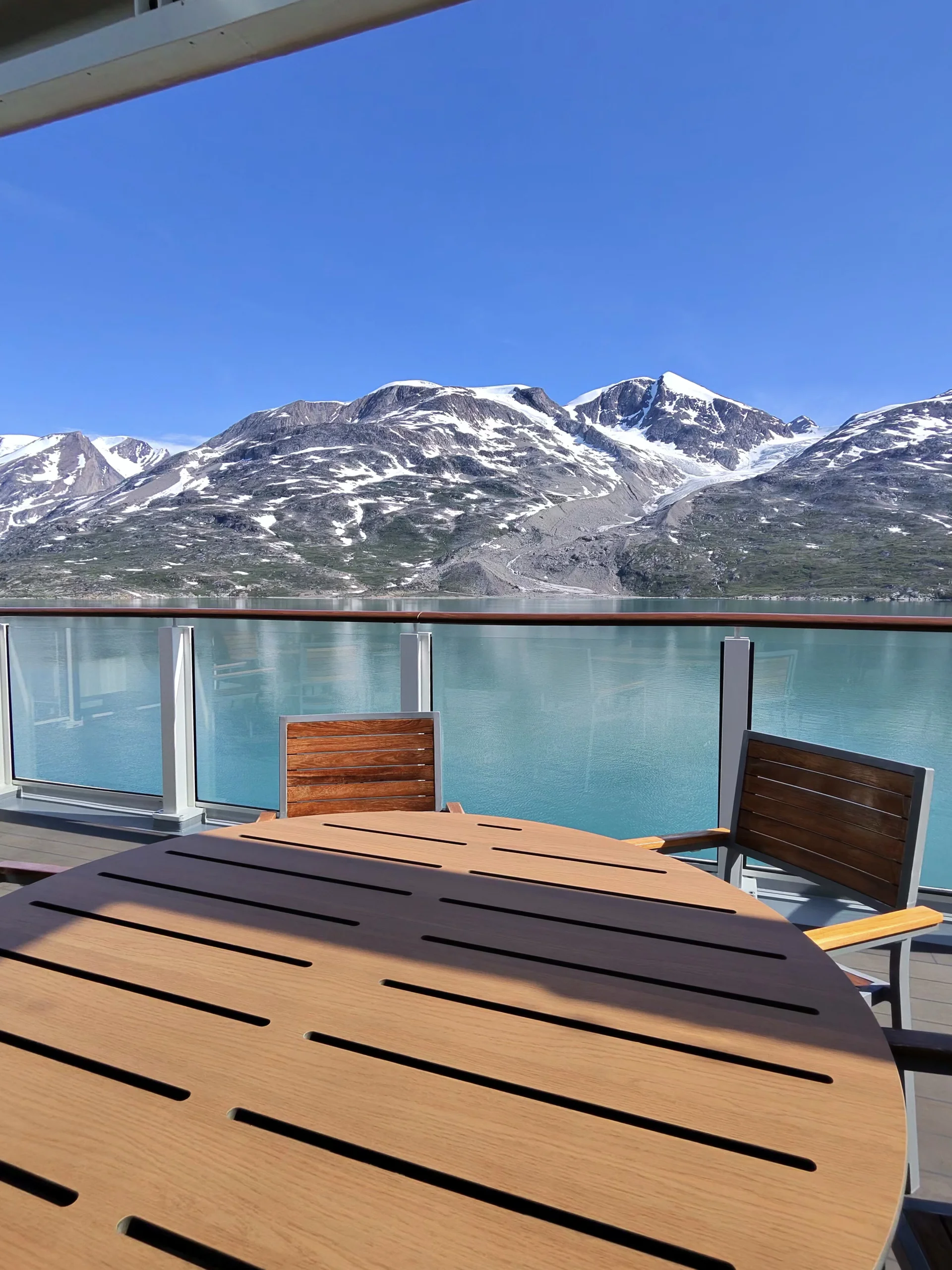
Water begins rounding the Yucatan Peninsula then swings into the Gulf of Mexico, loops around and back out through the Florida Straits, now loaded with heat. From there it runs north along the North American coast as the Gulf Stream, warm, fast, and narrow, until off the coast of the Carolinas, it cuts across open ocean toward Europe, arriving in the subpolar North Atlantic, off the coast of Greenland and in the seas around Iceland, expelling its heat along the way. This current has helped Northwestern Europe thrive for recorded history.
The remaining current is cold and salty, so it is dense, and so, it sinks! Then it turns around and flows back South toward the Gulf. This is the Atlantic Meridional Overturning Circulation (AMOC), and for the water to sink, it must be heavy enough.
Greenland’s ice sheet is shedding roughly 270 billion tons yearly of fresh water, through meltwater and calving, due to warming temperatures. This fresh, buoyant water runs into the current where the water needs to be heavy to continue to sink. And so, the AMOC appears to be slowing. Since 2004, the overturning has declined by about a fifth at the highest end of the range. A study published in Science Advances in April corrected long-standing salinity biases in past models against real-world observations and concluded that the AMOC is likely to weaken by about half by the end of this century.
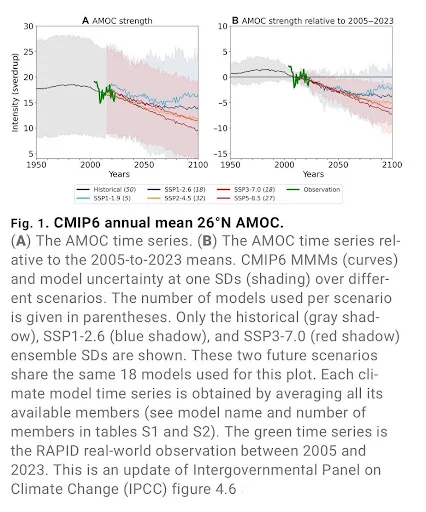
What would it mean for the AMOC to weaken? I’ll refer to the experts on this. See the excerpt below from Yale’s Environment 360.
"In November, Iceland made the unusual move of designating the risk of an AMOC shutdown a national security threat. If the AMOC shuts down, its flow slowing to a near halt, the modeled consequences are catastrophic: Europe dries out, affecting agriculture and wildfires; the temperature difference between northern and southern Europe jacks up by a whopping 7 degrees F (4 degrees C), supercharging storms; the vital African and Asian monsoons weaken; and more. An AMOC collapse is also predicted to stir up the Southern Ocean, which could spew out more of its deep carbon into the air, further warming the globe."
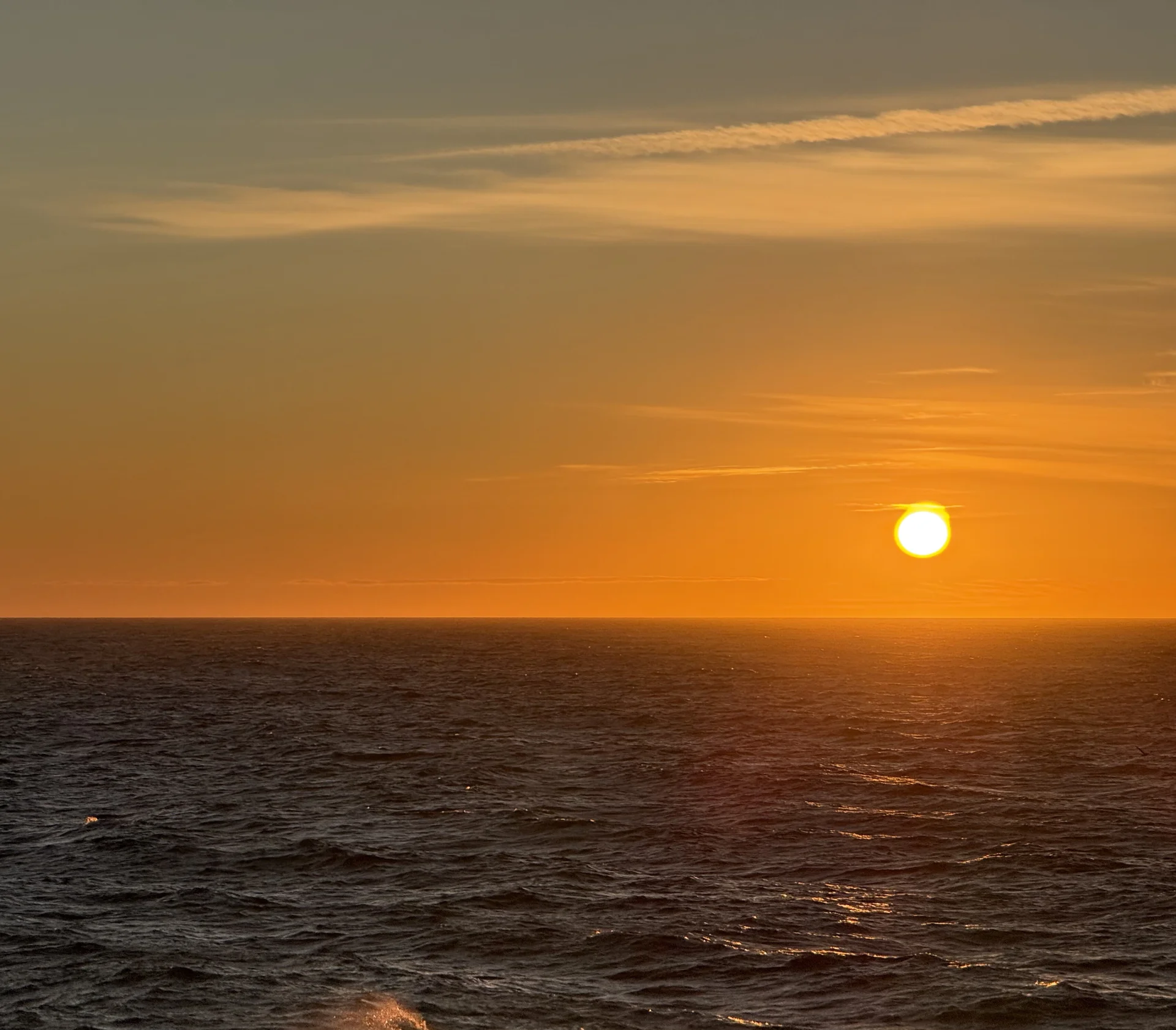
So much is lost in the communication of climate science. We get bogged down in debates over anthropogenic causes and natural earthen cycles. I don’t want to do that. I just want to say that whatever your thoughts and feelings are about climate change, about its causes and origins, I hope we can come together to agree that its consequences are not only extensively researched, predicted, and proved, but are observable all around us, all seasons, in Greenland’s melting and in Louisiana’s, especially these late summer afternoons, when I somewhat hysterically start to believe the sun is shooting individual heat waves at us like some kind of astronomical laser tag nightmare. The dog days are over and the days of direwolves are upon us. It is hot.
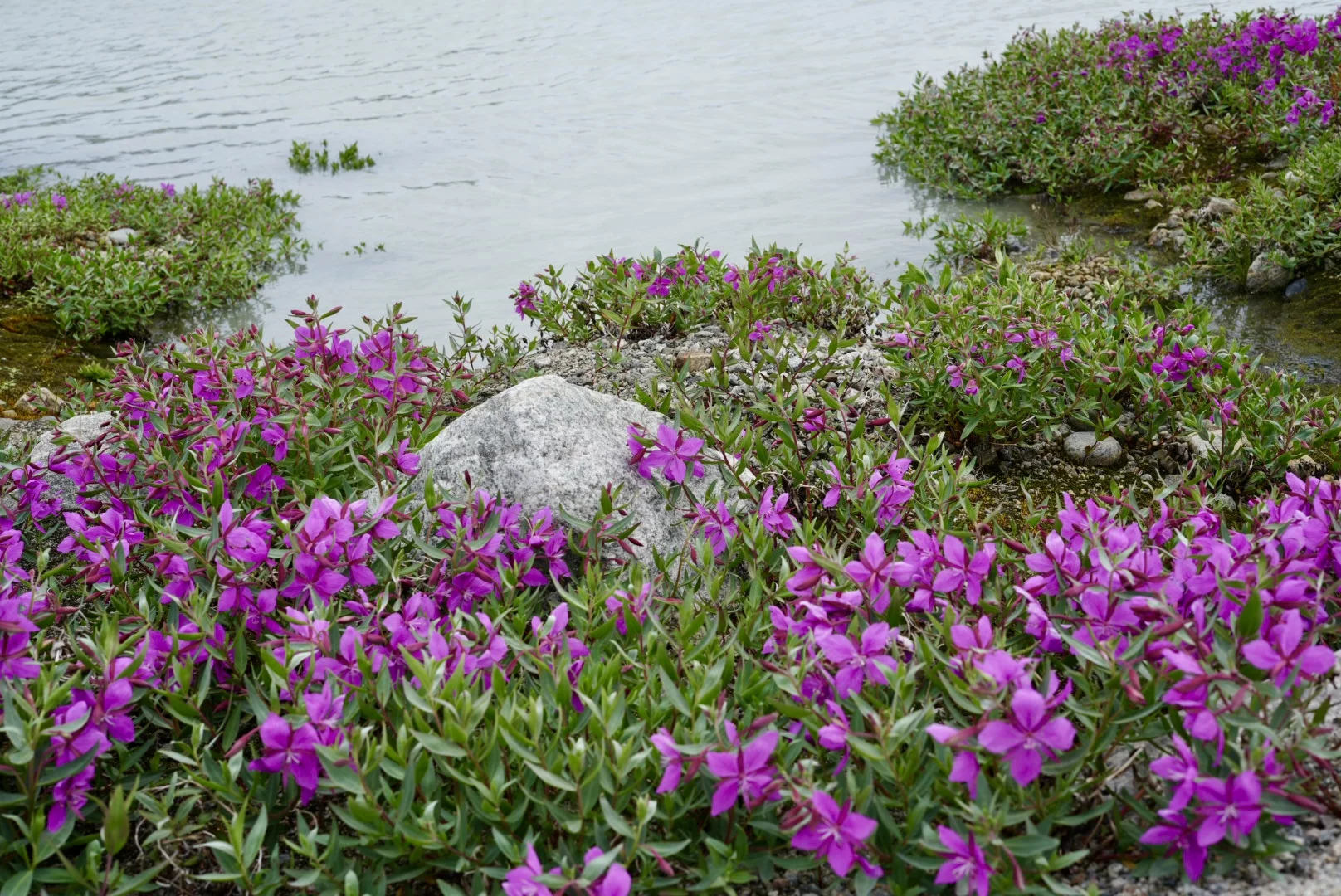
The good news is that the remedies are all around us too, if we choose to look, explore, and listen.
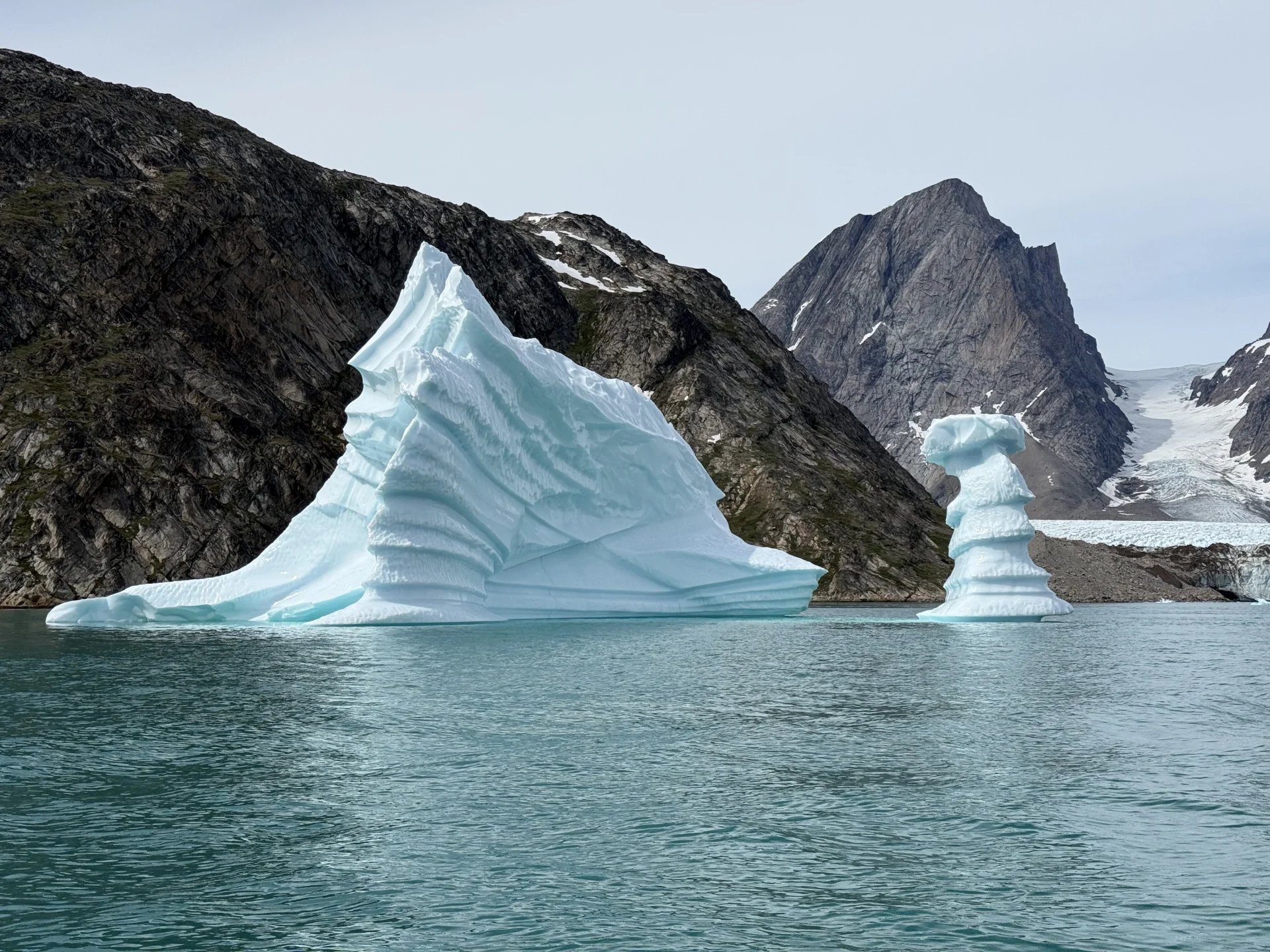
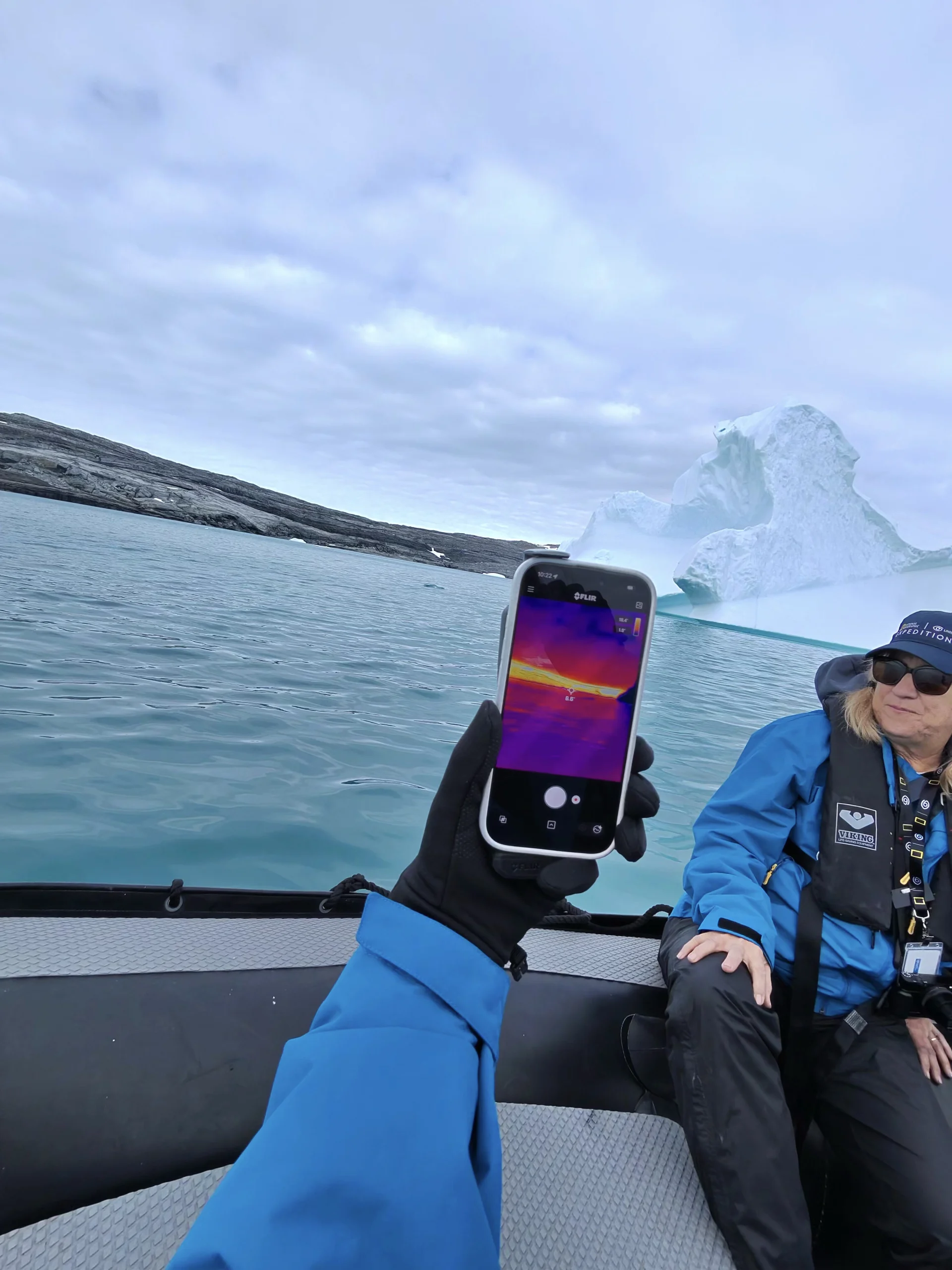
The scientific phenomena I describe, thanks to this opportunity, are no longer abstract to me, and that is the value and effect of experiential education. I have seen an iceberg roll, seen how they break, flip, and equalize, seen them release buoyant freshwater into the salty sea.
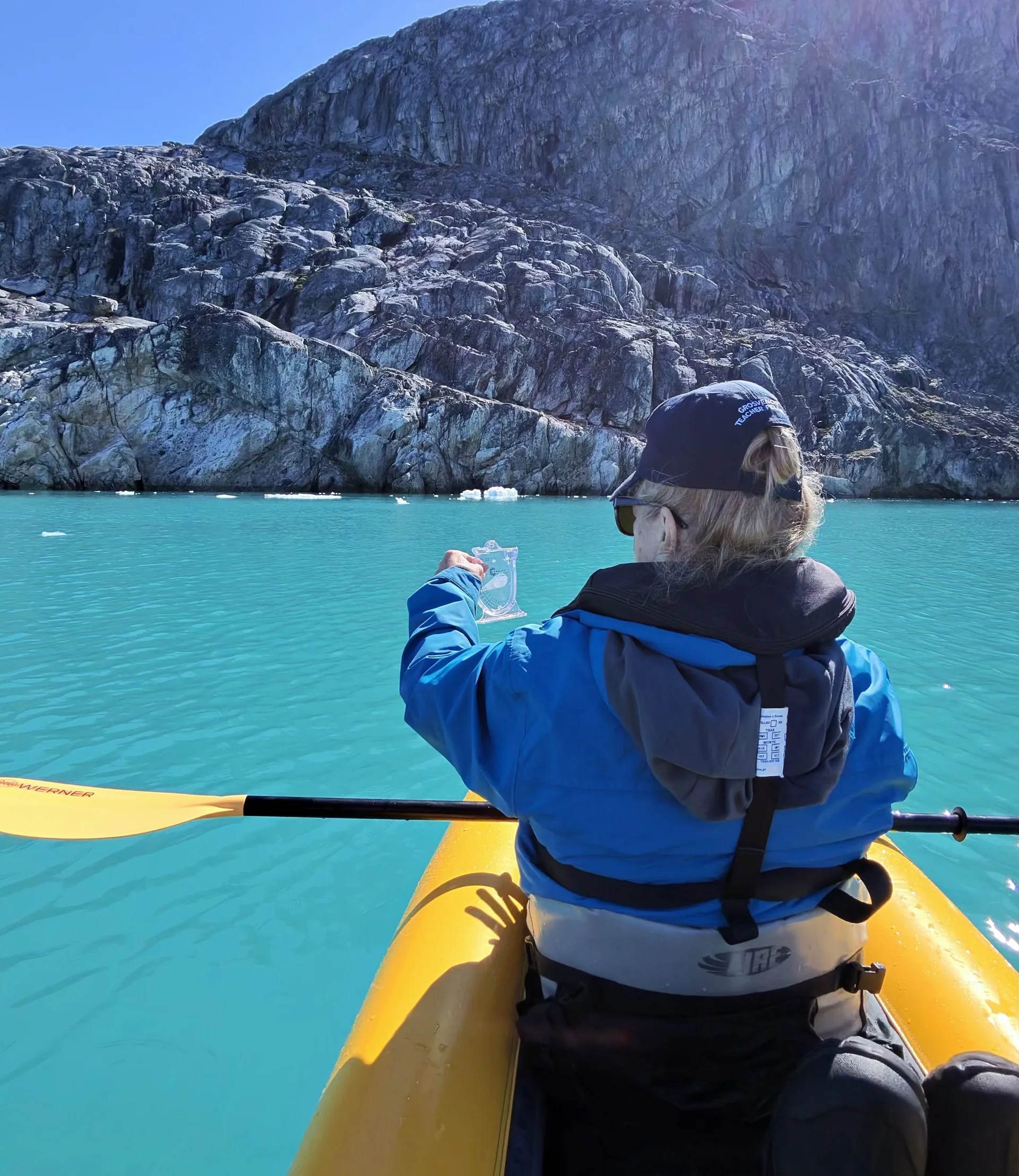
I watched and recorded my shipmate, Rhonda, measure the salinity near and far from icebergs, and the result? The closer to the iceberg or to the glacier, the less salty the water. The less salty the water, the less dense.
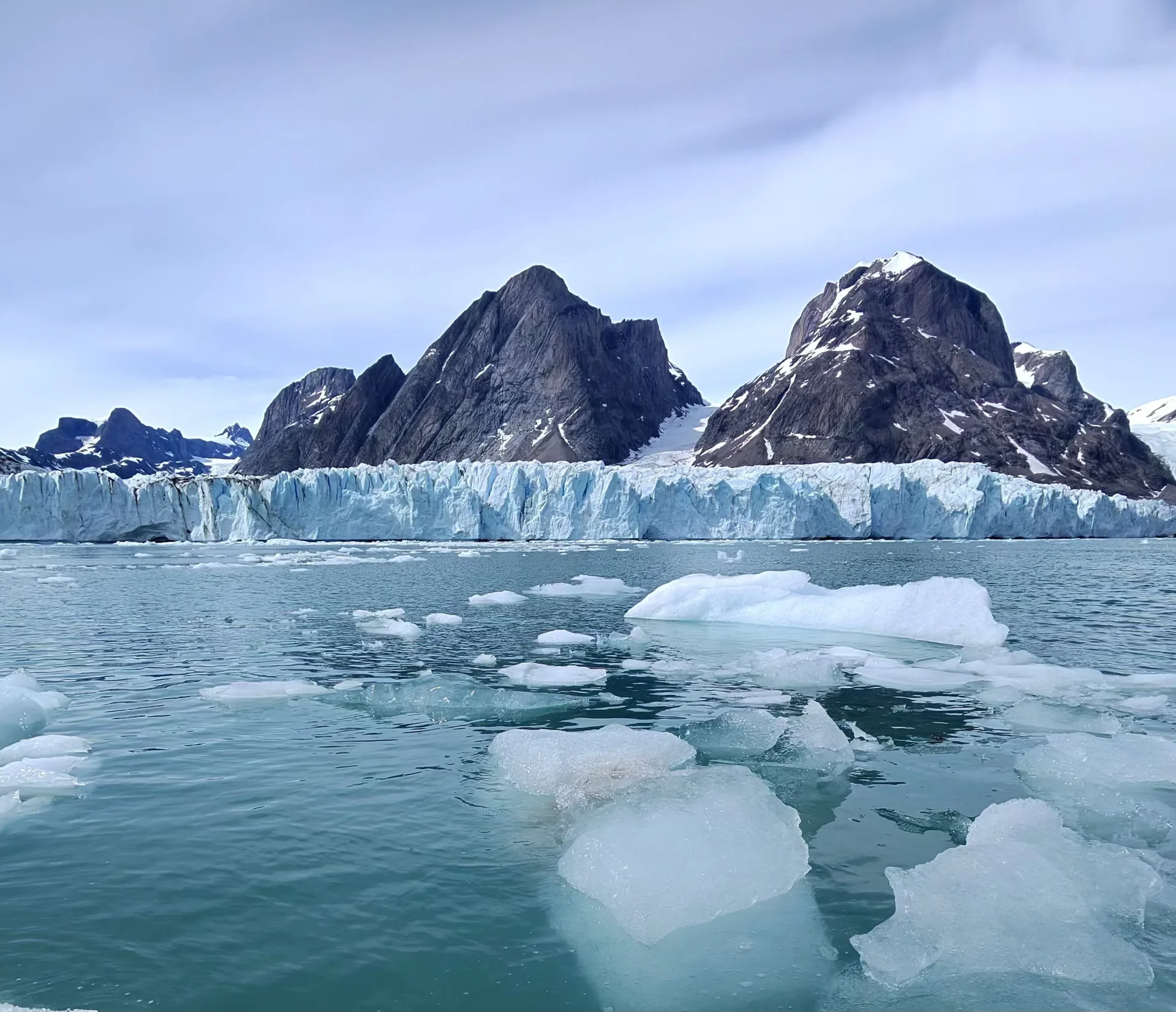
To hear a glacier calve is the sound of rolling thunder. To see a glacier calve is awful in every sense of the word: awe inspiring, yes, and tragic, if we’re talking the implications. If you are in the mood for a mournful but educational documentary, I highly recommend Time and Water, which chronicles an Icelandic family’s long history with the Okjökull glacier, which has officially been declared dead.
I’ll end this with a poem because I am an English teacher, after all, but also because I believe in poetry and narrative’s ability to transcend disciplines and boundaries, and I hope to bring that to my community.
“Levees of All Kind”
by Melissa Easley
The front of it is but a wall
Blue where light had red removed
And every tide comes in beneath
And lifts and lifts, but is refused.
The tide goes out and again it lifts
Ice knows not what is being asked
Inland a hundred winters sift
Into one dense foot of what will crack.
The sound arrives behind
The sight the way the thunder does
And what took ninety thousand years to grind
Down here, is weather now, and weather was
Already, only slower, seeming still and holding well
But a wall is just a pall that has not yet fell.
Teachers, students, and families alike should visit Education | National Geographic Society to explore the opportunities for engagement. The Slingshot Challenge for students, Explorer Classroom for teachers, and the new Museum of Exploration for families are highlights.
Teachers – apply to be a fellow! Applications open in September and close in November: Grosvenor Teacher Fellows - National Geographic Society
References
Arnold, Paul. “Atlantic current system could be weakening faster than expected,”Phys.org. April 16, 2026.
Jones, Nicola. “Why Fears Are Growing Over the Fate of a Key Atlantic Current,” Yale Environment 360. May 6, 2026.
J.-Y. Lee, J. Marotzke, G. Bala, L. Cao, S. Corti, J. P. Dunne, F. Engelbrecht, E. Fischer, J. C. Fyfe, C. Jones, A. Maycock, J. Mutemi, O. Ndiaye, S. Panickal, T. Zhou, “Future global climate: Scenario-based projections and near-term information,” in Climate Change 2021: The Physical Science Basis. Contribution of Working Group I to the Sixth Assessment Report of the Intergovernmental Panel on Climate Change, V. Masson-Delmotte, P. Zhai, A. Pirani, S. L. Connors, C. Péan, S. Berger, N. Caud, Y. Chen, L. Goldfarb, M. I. Gomis, M. Huang, K. Leitzell, E. Lonnoy, J. B. R. Matthews, T. K. Maycock, T. Waterfield, O. Yelekci, R. Yu, B. Zhou, Eds. (Cambridge Univ. Press, 2023), pp. 553–672.
Valentin Portmann et al., Observational constraints project a ~50% AMOC weakening by the end of this century.Sci.Adv.12,eadx4298(2026).DOI
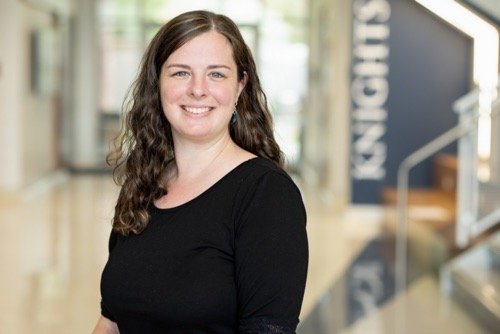
Melissa Easley was born and raised in Baton Rouge where she graduated from LSU with a Bachelor of Arts in English Literature and Masters in Teaching English. She went on to earn a Master of Fine Arts in Creative Writing from The University of Mississippi for Women. Mrs. Easley is deeply committed to all things reading, writing, and thinking.
The Episcopal School of Baton Rouge 2025-2026 application is now available! For more information on the application process, to schedule a tour, or learn more about the private school, contact us at [email protected] or 225-755-2685.
Other articles to consider
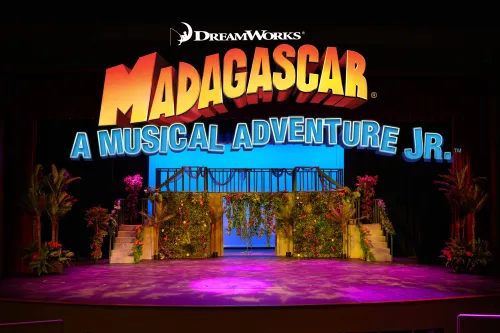 Oct5Don't Miss Episcopal's Presentation of "Madagascar a Musical Adventure Jr."
Don't miss this fun and energetic presentation October 16th - 18th. Tickets available now! Plus, check out a list of upcoming arts events.
See Details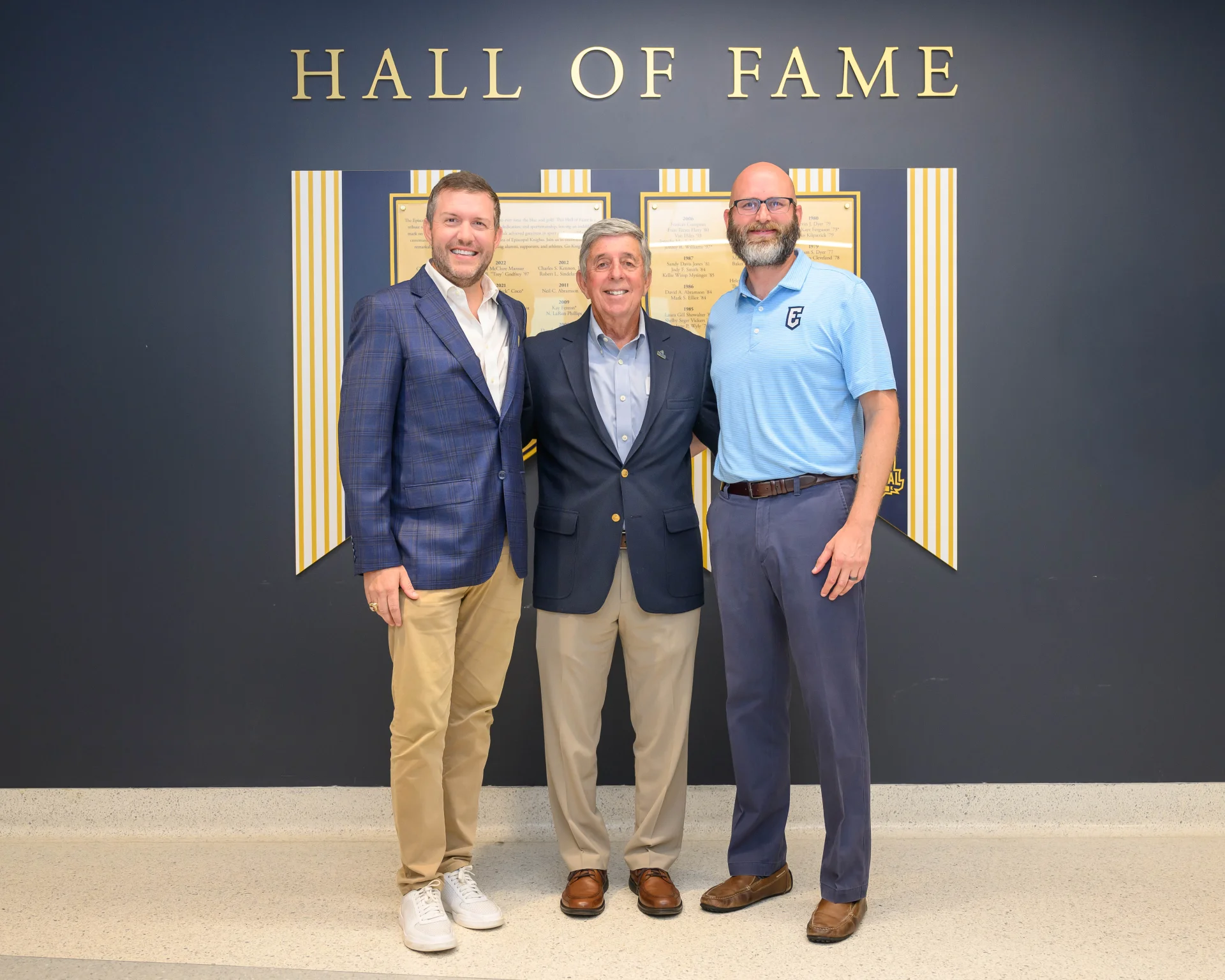 Oct12026 Athletic Hall of Fame Inductees Celebrated at Halftime Tribute
This year's inductees include a record-breaking track and field athlete and a legendary coach.
See Details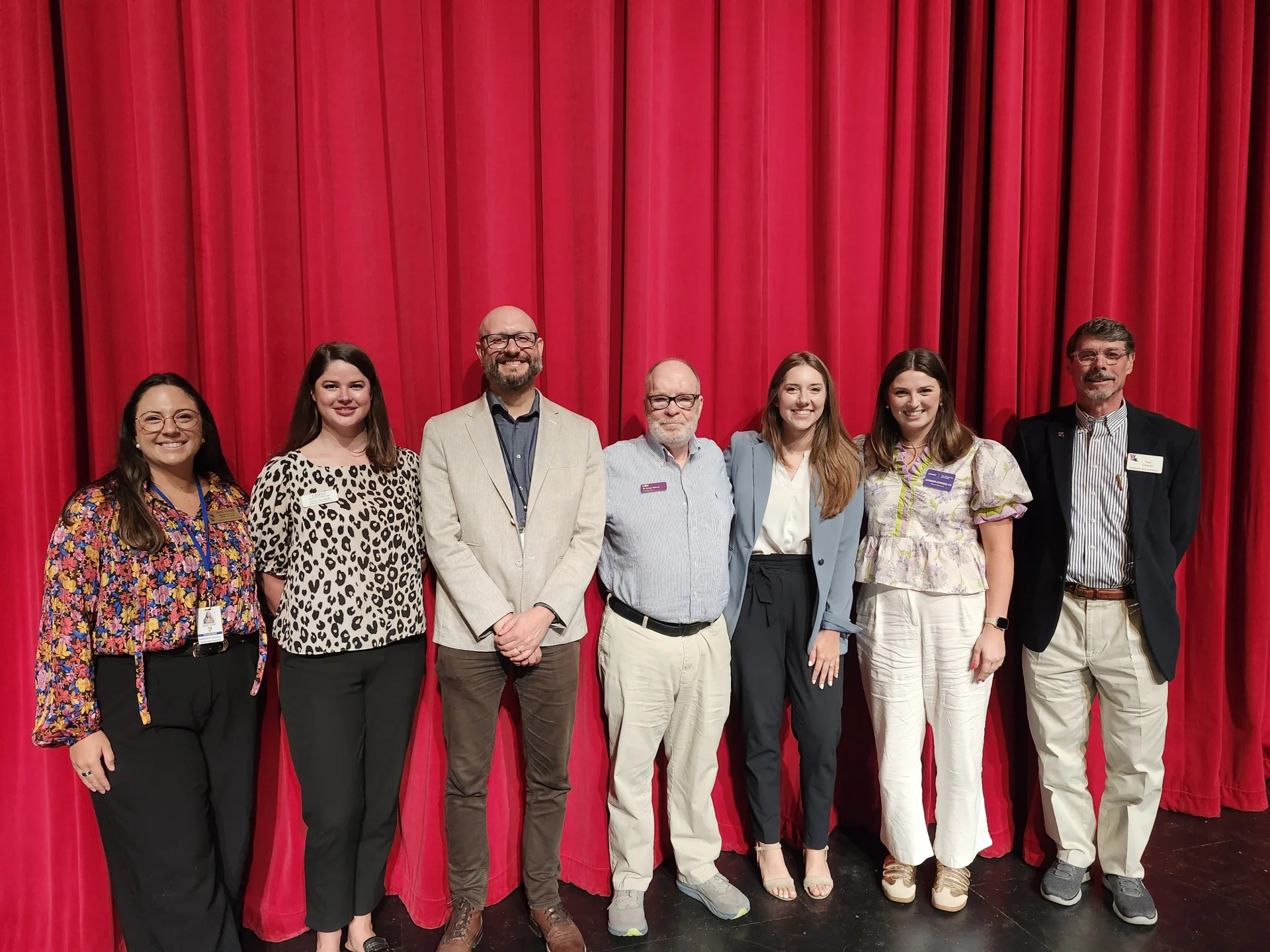 Oct1College Experts Provide Advice for Students through New College Advisory Council
College counselors are boosting university connections and providing students more exposure to admission experts and resources.
See Details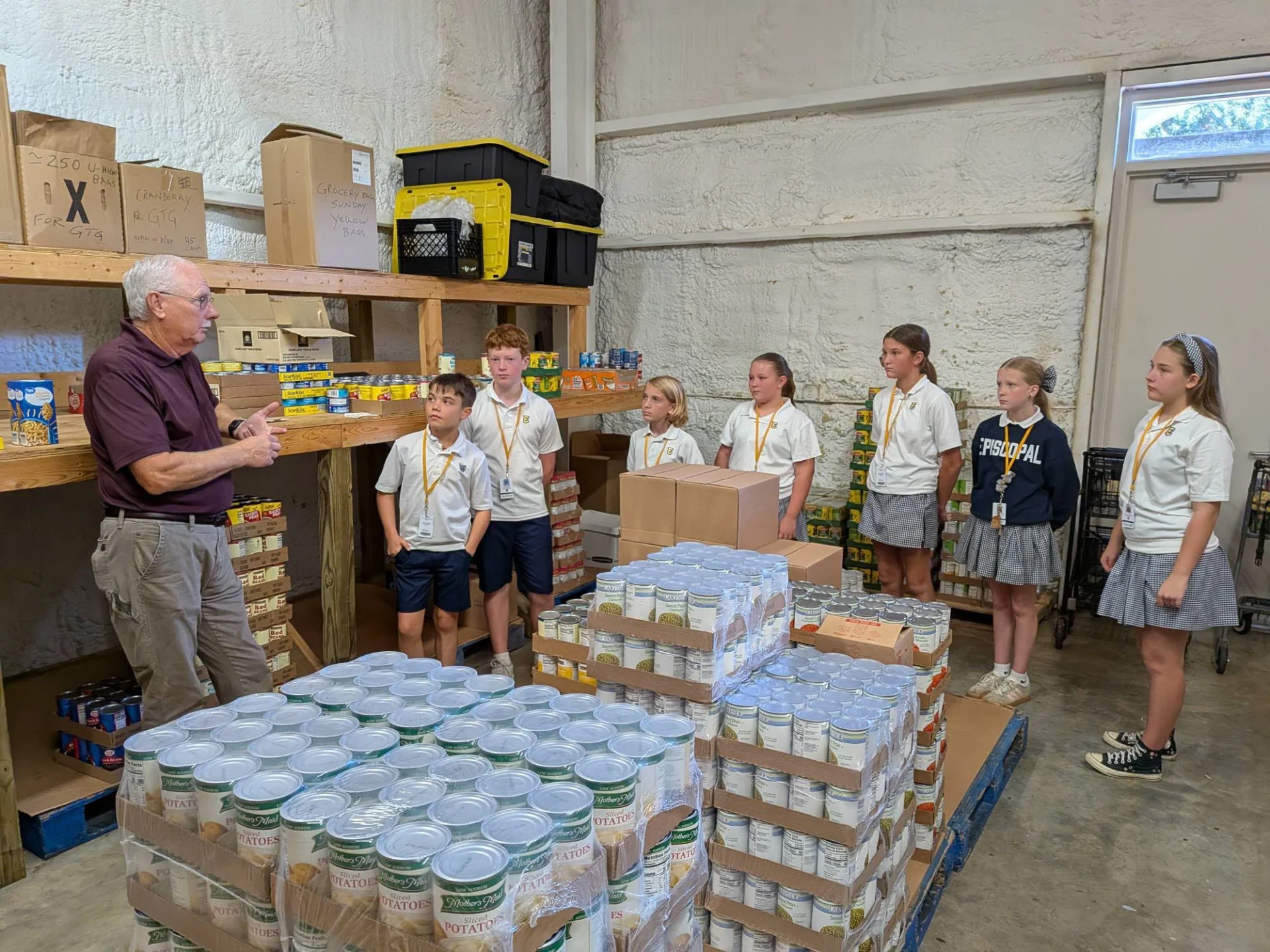 Sep24Service Learning Connects Curriculum and Community
Service learning at Episcopal connects classroom lessons to real community impact. Learn more about how students turn academic study into meaningful service experiences.
See Details

Categories
- All
- Admission
- Athletics
- College Bound 2019
- College Bound 2020
- College Bound 2021
- College Bound 2022
- College Bound 2023
- College Bound 2024
- College Bound 2025
- College Bound 2026
- Counselors Corner
- Episcopal Alumni
- Giving
- Head Of School
- Lower School
- Middle School
- Spirituality And Service
- Student Work
- The Teachers' Lounge
- Upper School
- Visual And Performing Arts
Recent Articles
- 10/5/26Don't Miss Episcopal's Presentation of "Madagascar a Musical Adventure Jr."
- 10/1/262026 Athletic Hall of Fame Inductees Celebrated at Halftime Tribute
- 10/1/26College Experts Provide Advice for Students through New College Advisory Council
- 09/24/26Service Learning Connects Curriculum and Community
- 09/24/26Head of School Peace Day Message
 At a Glance
 Admission and Enrollment
 School Calendar
 Donate Today




.svg?v=1618855226605)


