
- Admission
- Discover Episcopal
- Our Program
- Athletics
- Arts
- Spirituality
- Student Life
- Support Episcopal
- Alumni
- Parent Support Groups
- Karnival Knight 2026
- Knightly News
- Lunch Menu
- Contact Us
- Calendar
- School Store
- Madagascar tickets
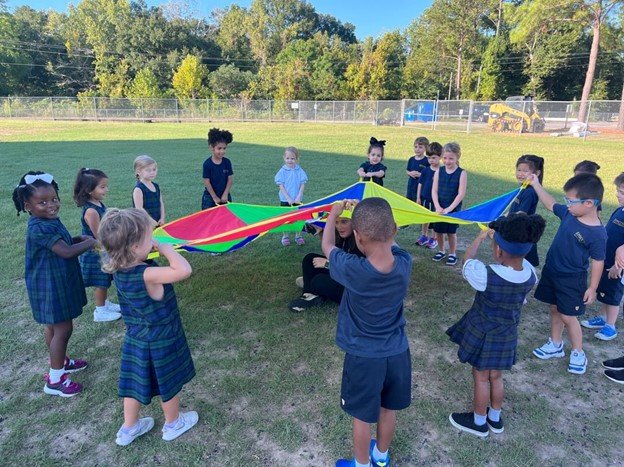
The Building Blocks of Learning: Social/Emotional Skills in PreK-3 and PreK-4
October 11th, 2023


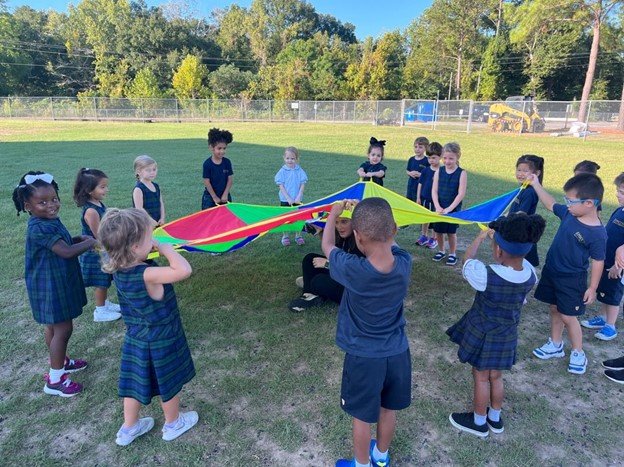
The majority of learning for the littlest Knights revolves around developing social/emotional skills. Social/emotional skills, such as waiting, sharing, and caring are important for a student’s future learning capabilities. These skills foster communities that are equitable and caring. Episcopal early childhood teachers spend considerable time helping students develop these building blocks which include:
- Following directions
- Clearly communicating their needs
- Recognizing and expressing feelings appropriately
- Engaging appropriately with peers
- Understanding the consequences of not following rules
- Developing the ability to share materials and toys.
The early childhood team uses the Responsive Classroom approach to create environments that integrate academic and social-emotional skills. A Responsive Classroom has several elements including morning meetings which our little Knights enjoy. The morning meetings start with a greeting, read-aloud, and group activity, which allows for collaboration, community building, and life-skill development.
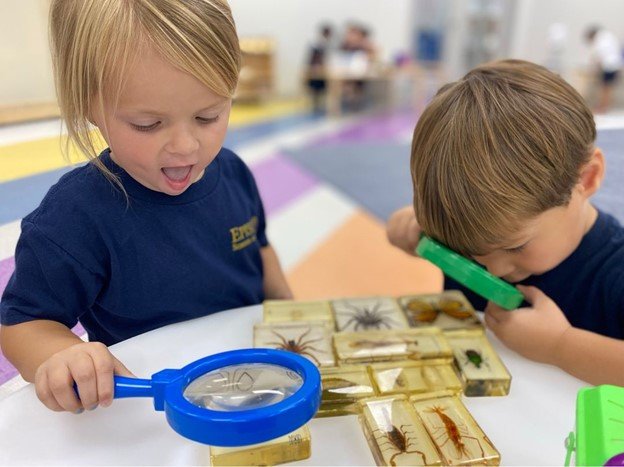
At the same time that the early childhood students are developing social/emotional skills, they are also developing academically. The team begins the year with the hopes and dreams component as they identify and understand the student’s and parent’s goals for preschool. This understanding helps the teaching team personalize each student/family’s early childhood experience. As they listen to stories and interact with friends, they expand their vocabulary. Students also learn to identify the letters in their name and the letters in the alphabet, which are the pre-reading skills needed to begin reading from a page. The lessons are flexible, adaptable, and specifically designed to provide age-appropriate academic experiences.
Play = Learning
Play is a key to learning for early childhood students. While adults may simply see a student picking up small objects with tongs or playing with Play Doh, there is a purpose to this play as it helps strengthen fine motor skills in preparation for gripping a pencil for writing in later grades. The National Association for Education of Young Children backs up the importance of play. The short article 10 Things Every Parent Should Know About Play gives a quick overview of the value of play.
According to the American Academy of Pediatrics, “play is not frivolous: it enhances brain structure and function and promotes executive function (i.e., the process of learning, rather than the content), which allows us to pursue goals and ignore distractions.” In a 2018 AAP report on The Power of Play, the authors conclude that “play is intrinsically motivated and leads to active engagement and joyful discovery,” and that “with our understanding of early brain development, we suggest that learning is better fueled by facilitating the child’s intrinsic motivation through play rather than extrinsic motivations, such as test scores.” The authors also suggest that “play provides a singular opportunity to build the executive functioning that underlies adaptive behaviors at home; improve language and math skills in school; build the safe, stable, and nurturing relationships that buffer against toxic stress; and build social–emotional resilience.”
The early childhood classrooms are designed to encourage student play and learning through centers. The centers are thoughtfully arranged so that noisy areas are not near the quieter locations. There are a variety of toys, games, and activities to engage students. Because young children still benefit from a nap, there is a designated quiet time during which students unfurl little mats and snuggle up for a rest after several hours of learning. All the classrooms have schedules as children thrive from routines and knowing what to expect and don’t experience too many interruptions.

Dr. Michelle Grantham-Caston serves as the Episcopal Lower School Assistant Division Head. Dr. Grantham-Caston earned a doctorate, master's and bachelor’s degree in curriculum and instruction, early childhood education from Louisiana State University. Before joining Episcopal, Dr. Grantham-Caston was the Director of the LSU Early Childhood Education Laboratory Preschool. She has been published in a variety of publications such as “Infant Mental Health Journal” and “A Journal of the International Literacy Association’s Language Experiences Special Interest Group.” Dr. Grantham-Caston has received grants from a variety of organizations, such as the Nora Roberts Foundation, Louisiana Public Broadcasting and the Academic Distinction Fund. She is an adjunct faculty member of Baton Rouge Community College and an LSU instructor. Dr. Grantham-Caston has consulted and presented extensively regarding early childhood best practices. She is actively involved in her community, serving in various roles including on the Louisiana Early Learning and Development Standards Review Committee, on the Louisiana Department of Education Teacher Leader Advisory Committee and as an LSU Distinguished Communicator Review Panelist. Dr. Grantham-Caston is a member of the Child Care Association of Louisiana, the National Association for the Education of Young Children and a Louisiana Farm to School member.
The Episcopal School of Baton Rouge 2025-2026 application is now available! For more information on the application process, to schedule a tour, or learn more about the private school, contact us at [email protected] or 225-755-2685.
Posted in the categories All, Lower School.
Other articles to consider
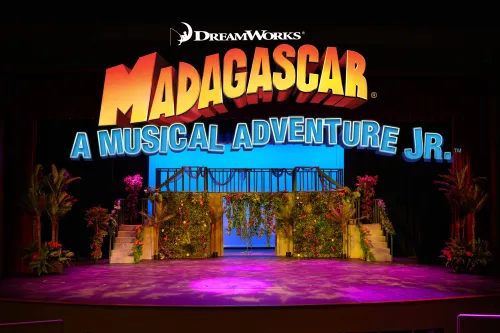 Oct5Don't Miss Episcopal's Presentation of "Madagascar a Musical Adventure Jr."
Don't miss this fun and energetic presentation October 16th - 18th. Tickets available now! Plus, check out a list of upcoming arts events.
See Details Oct12026 Athletic Hall of Fame Inductees Celebrated at Halftime Tribute
This year's inductees include a record-breaking track and field athlete and a legendary coach.
See Details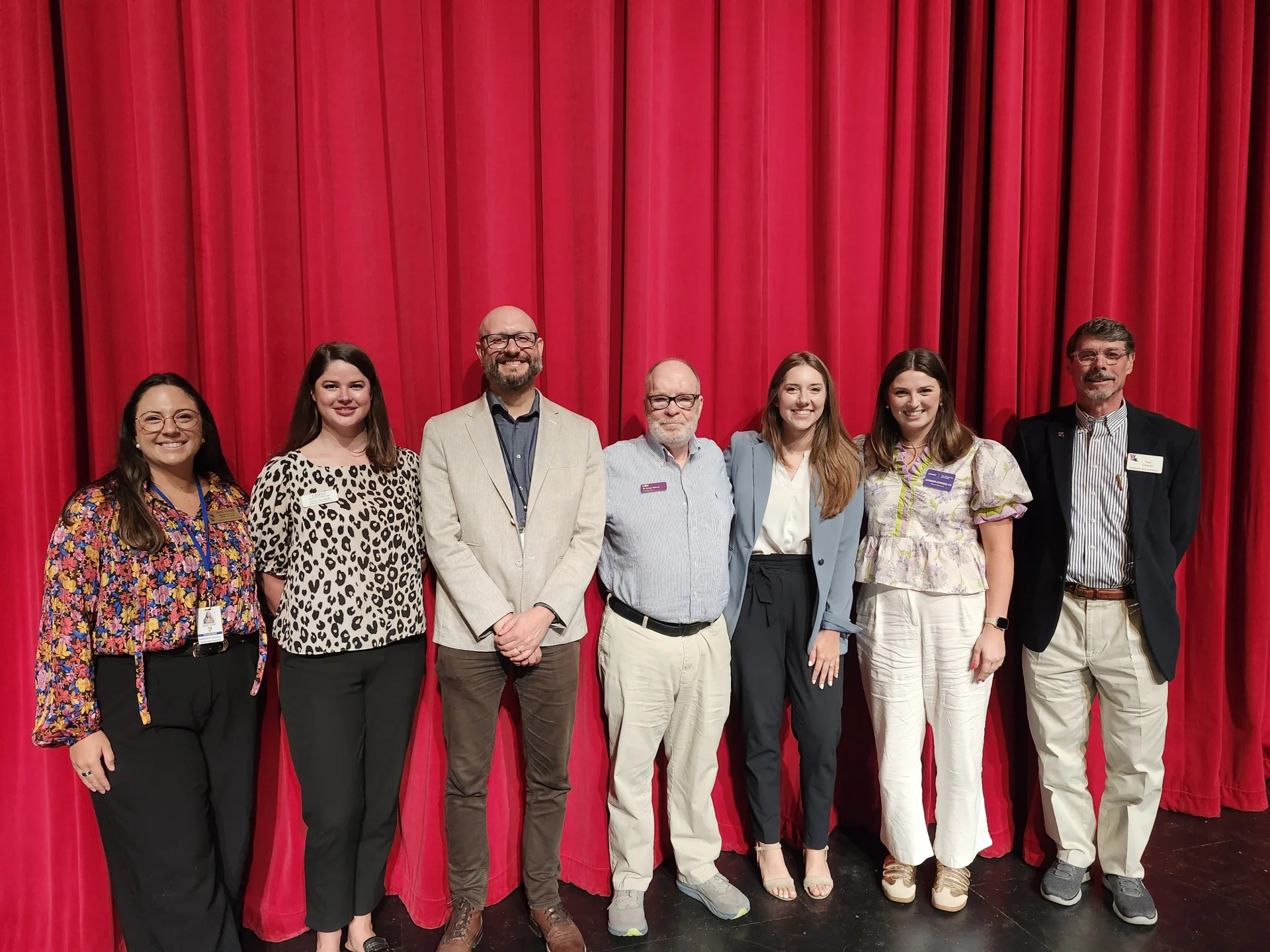 Oct1College Experts Provide Advice for Students through New College Advisory Council
College counselors are boosting university connections and providing students more exposure to admission experts and resources.
See Details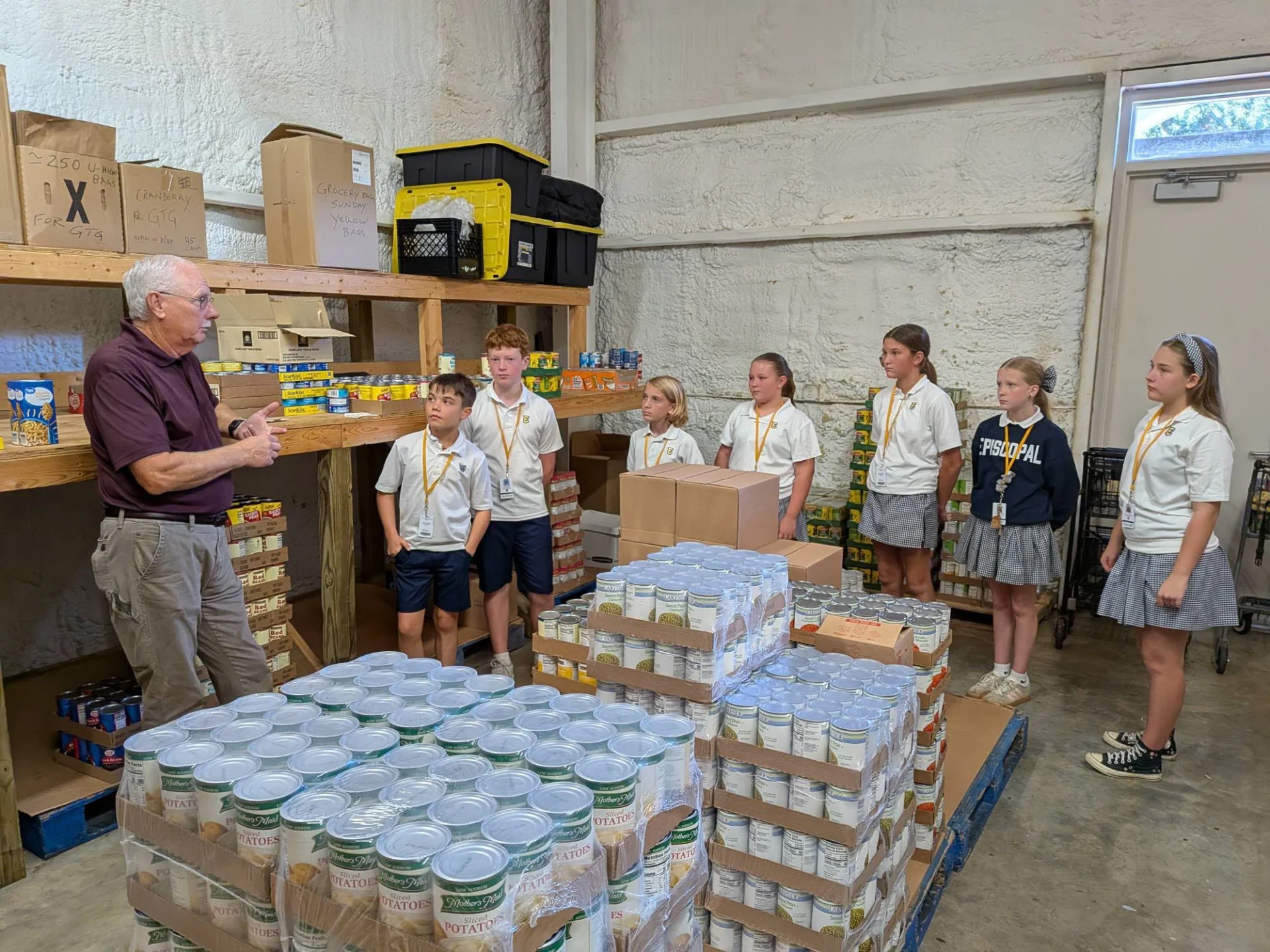 Sep24Service Learning Connects Curriculum and Community
Service learning at Episcopal connects classroom lessons to real community impact. Learn more about how students turn academic study into meaningful service experiences.
See Details

Categories
- All
- Admission
- Athletics
- College Bound 2019
- College Bound 2020
- College Bound 2021
- College Bound 2022
- College Bound 2023
- College Bound 2024
- College Bound 2025
- College Bound 2026
- Counselors Corner
- Episcopal Alumni
- Giving
- Head Of School
- Lower School
- Middle School
- Spirituality And Service
- Student Work
- The Teachers' Lounge
- Upper School
- Visual And Performing Arts
Recent Articles
- 10/5/26Don't Miss Episcopal's Presentation of "Madagascar a Musical Adventure Jr."
- 10/1/262026 Athletic Hall of Fame Inductees Celebrated at Halftime Tribute
- 10/1/26College Experts Provide Advice for Students through New College Advisory Council
- 09/24/26Service Learning Connects Curriculum and Community
- 09/24/26Head of School Peace Day Message
 At a Glance
 Admission and Enrollment
 School Calendar
 Donate Today




.svg?v=1618855226605)


