- Admission
- Discover Episcopal
- Our Program
- Athletics
- Arts
- Spirituality
- Student Life
- Support Episcopal
- Alumni
- Parent Support Groups
- Karnival Knight 2026
- Knightly News
- Lunch Menu
- Contact Us
- Calendar
- School Store
- Madagascar tickets
What Can Sports Teach Students About Ethics, Economics and Culture?
October 8th, 2019


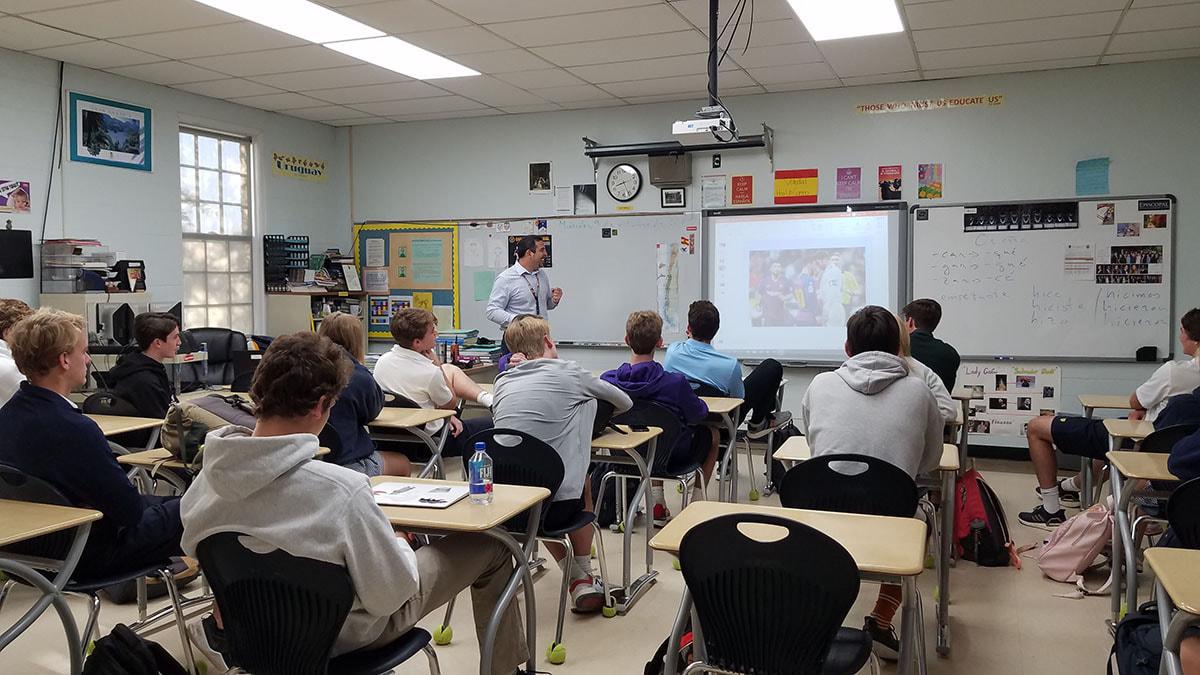
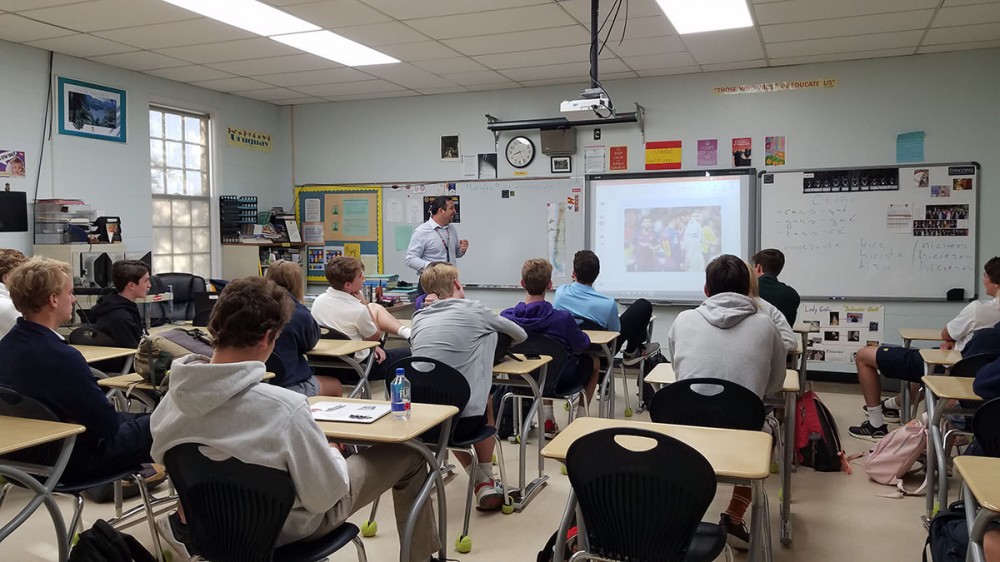
There are a variety of exciting, new courses for Episcopal students this school year. One such course is Ethics, Economics, and Cultural Impacts of Sport in the Hispanosphere. The course uses an examination of popular sports to engage students in discussions on ethics, economics and Spanish culture. Upper School Spanish teacher Sergio Ramos is happy to teach the course and provides more details on what students are learning.
The Global Studies Department saw the need to develop a cross-disciplinary curriculum that could enrich the learning experience of the 21st century student. The Ethics, Economics, and Cultural Impacts of Sport in the Hispanosphere developed from that call. This new course focuses on the rich and exciting culture of several Spanish-speaking countries through a wide variety of sports and leisure activities. The cultural and economic impacts of these industries, as well as many ethical questions related to these activities are explored. Films also have a key role in this course. Students watch at least two movies per quarter and analyze a variety of cultural aspects through class discussion.
Through this course, students are able to expand their cultural horizons by identifying the contributions of Hispanic athletes in the world. In other words, this subject encourages the students to deepen their understanding of the rich culture of Hispanic countries through sports while targeting its economic and social impact in a global society. Class work includes individual and group projects. In addition, students have the opportunity for hands-on experiences involving these activities.
Ethics, Economics, and Cultural Impacts of Sport in the Hispanosphere is taught in English and is open to all students. The course would be particularly interesting for any student with a passion for sports in general but especially any student who wants to expand their global citizenship and critical thinking skills through a deeper study and understanding of the role of sports in the Hispanic world and in society in general.
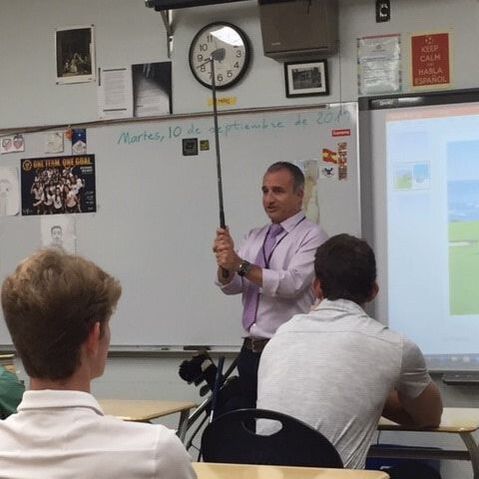
Discussions that Expand Cultural Horizons
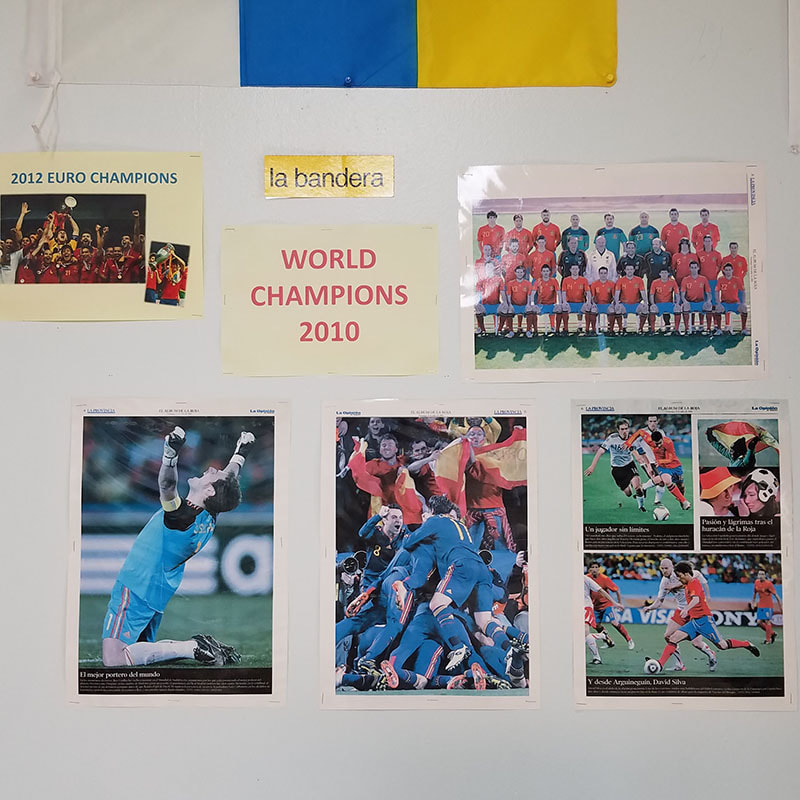
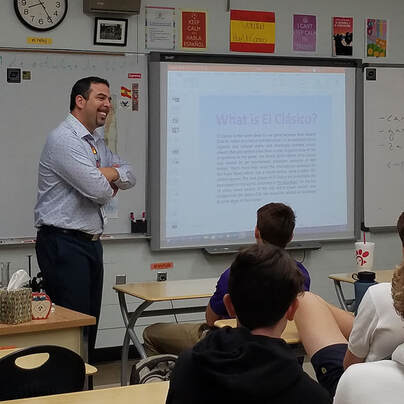
In this class, we discuss the different philosophies of the biggest soccer teams in Spain. For instance, we learn about La Masía (F.C. Barcelona’s training facility) and the values that the young players from all over the world acquire if they are talented enough to be part of F.C. Barcelona. These values (sportsmanship, leadership, commitment, perseverance, etc.) make people refer to F.C. Barcelona as Más que un club (More than a club).
We discuss ethical matters such as whether players under the age of sixteen from other parts of the world should join powerful soccer teams from Europe. FIFA (French for International Federation of Association Football) prohibits this practice to protect kids from leaving their families so prematurely. However, FIFA does not take into consideration the fact that in many cases the parents are willing to move to Europe to realize their child’s dream of playing the sport.
 We also discuss the legacy of golfer Severiano Ballesteros in Spain, not only in terms of the sport of golf but in terms of economic impact in the second most visited country in the world. Before Seve, golf was very unpopular in Spain. After his great accomplishments (two Masters championships among other majors) the Spanish golf industry developed in such a way that it is now part of the 13-billion-euro industry in Europe. I believe that, without the role of Seve in Spain’s golf and in golf worldwide, we would not recognize José María Olazábal, Sergio García and many other great Spanish golf players nowadays.
What I like the most about this class is that the students are given the chance to be more active in their participation and involvement in class compared with more traditional class environments. In fact, there are no tests or exams. This is because the students are graded based on the presentations, projects, and discussions that take place in the classroom. Furthermore, students’ suggestions are addressed, provided that they are feasible. For instance, while discussing the legacy of golfer Severiano Ballesteros, the students suggested going to TopGolf. I thought that this was a great idea that would exemplify along with the hands-on experiences mentioned in the course description.
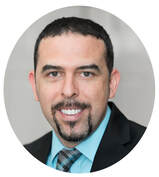
Sergio Ramos
Sergio Ramos was born and raised in the Canary Islands, Spain and is a native Spanish speaker. He graduated from the University of Las Palmas de Gran Canaria, Spain, with a bachelor's in English philology (this field is mainly focused on the teaching of English as a second language in Spain). He also has a master's degree in education awarded by the Complutense University of Madrid, Spain. He has experience teaching in the Spanish public school system and has been teaching Spanish at Episcopal High School since 2005. He has taught almost every level in the Middle and Upper School.
The Episcopal School of Baton Rouge 2025-2026 application is now available! For more information on the application process, to schedule a tour, or learn more about the private school, contact us at [email protected] or 225-755-2685.
Posted in the categories All, Upper School.
Other articles to consider
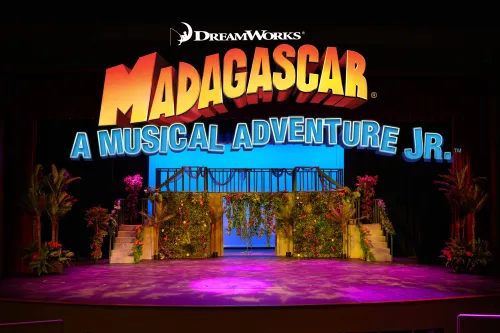 Oct5Don't Miss Episcopal's Presentation of "Madagascar a Musical Adventure Jr."
Don't miss this fun and energetic presentation October 16th - 18th. Tickets available now! Plus, check out a list of upcoming arts events.
See Details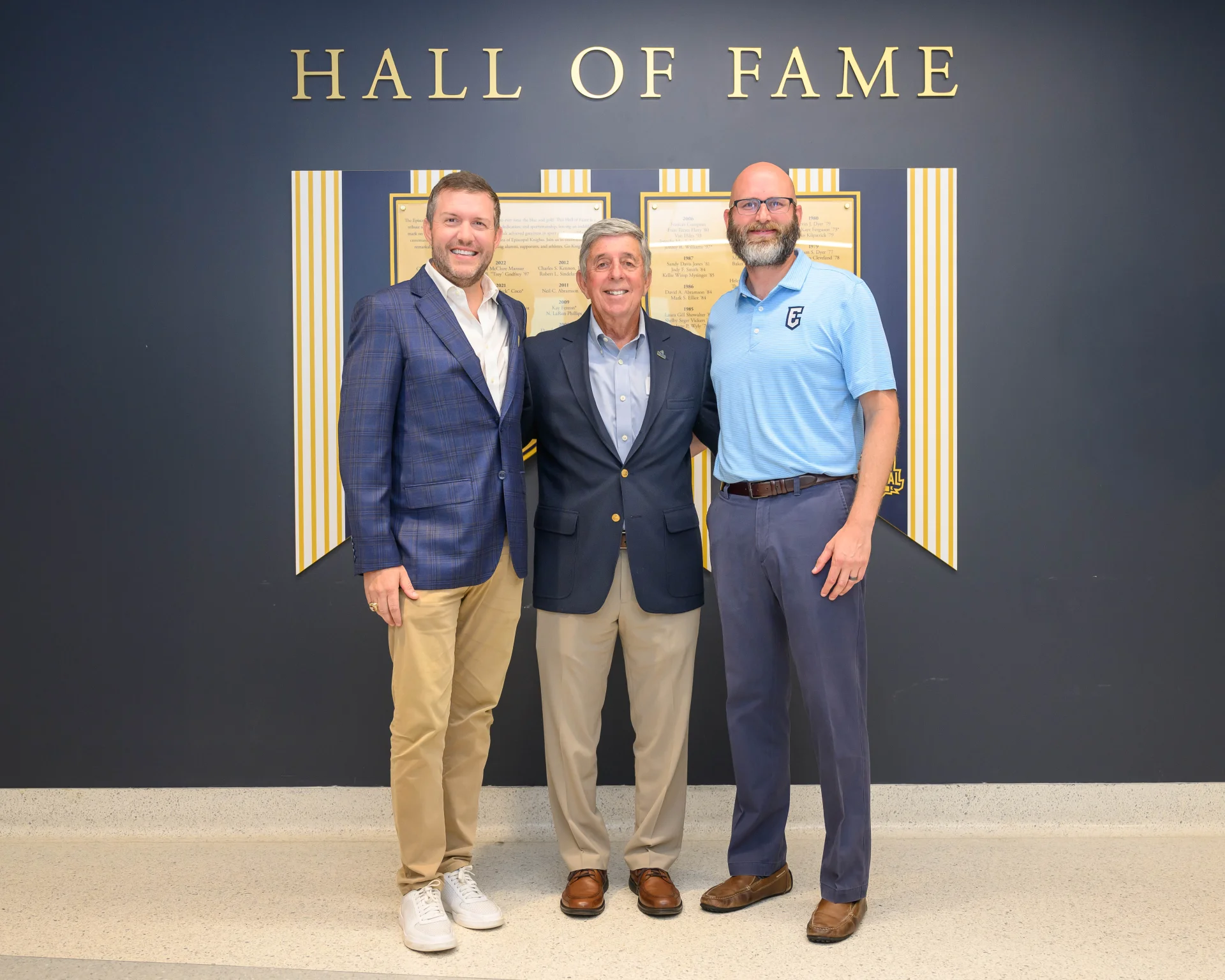 Oct12026 Athletic Hall of Fame Inductees Celebrated at Halftime Tribute
This year's inductees include a record-breaking track and field athlete and a legendary coach.
See Details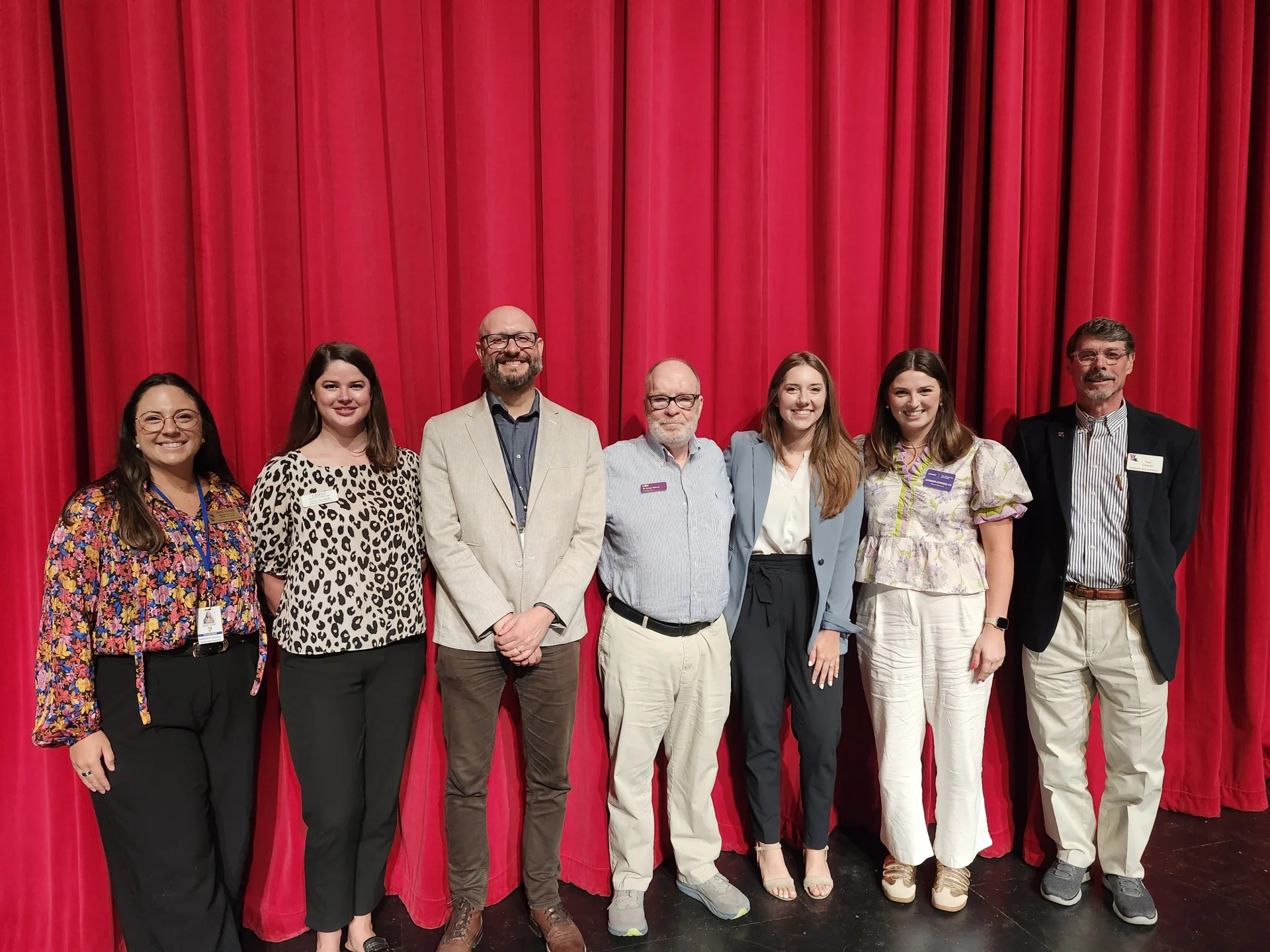 Oct1College Experts Provide Advice for Students through New College Advisory Council
College counselors are boosting university connections and providing students more exposure to admission experts and resources.
See Details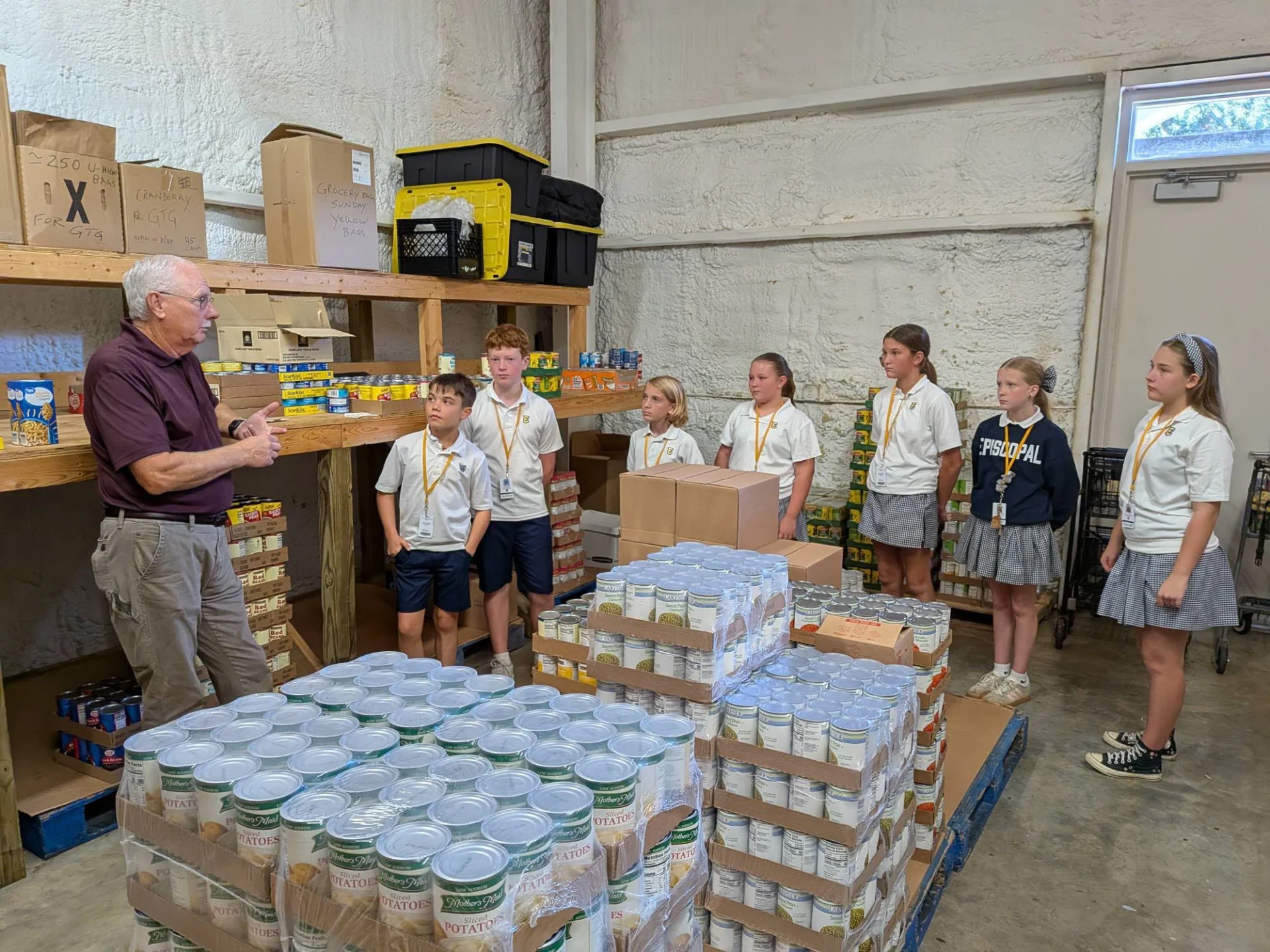 Sep24Service Learning Connects Curriculum and Community
Service learning at Episcopal connects classroom lessons to real community impact. Learn more about how students turn academic study into meaningful service experiences.
See Details

Categories
- All
- Admission
- Athletics
- College Bound 2019
- College Bound 2020
- College Bound 2021
- College Bound 2022
- College Bound 2023
- College Bound 2024
- College Bound 2025
- College Bound 2026
- Counselors Corner
- Episcopal Alumni
- Giving
- Head Of School
- Lower School
- Middle School
- Spirituality And Service
- Student Work
- The Teachers' Lounge
- Upper School
- Visual And Performing Arts
 At a Glance
 Admission and Enrollment
 School Calendar
 Donate Today



.svg?v=1618855226605)


